When selecting a packaged seafood boil pack, total weight often catches the eye, yet the proportional share of shrimp, crab, and shellfish really decides the meal’s substance. Many packs bear E-Marker or IQF labels signaling quickfreezing, but these indicators actually ensure superior texture and better nutrient retention than heavier unmarked versions. For those who prioritize quality over total weight, searching for reliable seafood boil pack guides—covering ratio evaluation and freezing technology—can lead to a more rewarding dining experience.
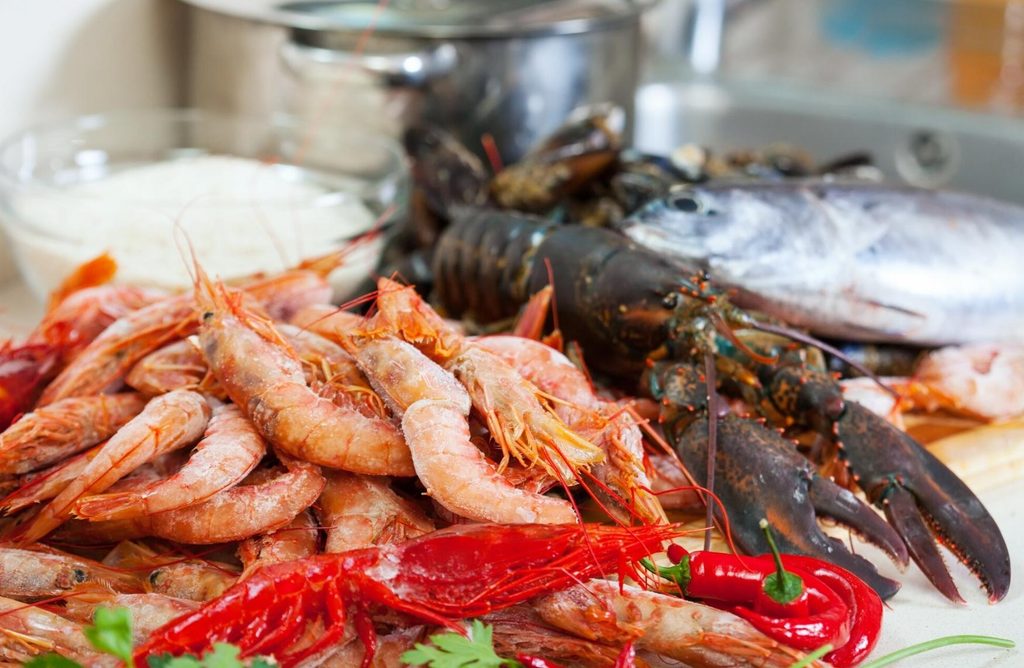
Core Protein Ratios and Ice Glaze Limits
Frozen combo packs often hide excess water weight under thick ice coatings. Quality producers apply individual quick freezing to control ice buildup. Net weight figures give the only reliable measure of usable contents.
Shrimp to Crab Balance: Look for packages listing both head-on shrimp and snow crab sections with clear weight breakdowns. A good pack allocates at least 40 percent of net weight to these two proteins. This ratio ensures that the main seafood components dominate the bag rather than cheap fillers.
Glaze Inspection: Turn the bag over and divide net weight by gross weight. If the result falls below 0.85, the ice coating is too thick. Such packs lose significant volume during cooking, leaving less edible material than expected.
Thawing Test: Remove one piece from a test bag and let it drip for five minutes on paper. Minimal moisture transfer indicates proper freezing. Excessive dripping signals poor quality that will shrink further in the pot.
These checks separate watery packs from solid ones. Checking glaze and protein ratios prevents paying for excess water rather than actual seafood.
Vegetable and Sausage Prep Levels
Precooked corn pieces and smoked sausage chunks should hold their shape during boiling. Undercooked starches release starch into the broth, making it cloudy. Properly parboiled vegetables absorb butter sauce without falling apart.
Corn and Potato Firmness: Examine the bag for corn cut into 2-inch sections and potato wedges that appear fully cooked but still firm. These items should have a bright color without mushiness. Packages that include vacuum-sealed sausage portions keep the sausage separate from other ingredients until cooking.
Cooking Time Alignment: Choose combos where all solids reach doneness at the same minute. Sausage that is already smoked and corn that is parboiled finish together with shellfish. This synchronization avoids having some components overdone while others remain undercooked.
Balanced sides stretch the meal and support the seafood without overwhelming it. They also add textural variety to the final platter.
Cajun Seasoning Layers and Heat Levels
Quality spice blends list cayenne, garlic granules, and paprika in descending order. They also offer mild, medium, and extra-hot options. The seasoning matrix determines the final flavor profile more than any other factor.
Ingredient Transparency: Check for natural dehydrated garlic and sea salt as primary seasonings. Blends with visible herb flecks tend to score higher in repeat purchases than artificial flavor powders. The presence of whole spice particles indicates less processing and better aroma.
Heat Graduation: Mild versions use less cayenne and more sugar or paprika to round out the kick. Extra-hot variants increase chili content while maintaining a garlicky base. Having three distinct levels suits different tolerance preferences without forcing a single heat standard.
Application Format: Dry rubs stick better to moist shellfish shells, while wet sauces coat corn and sausage more evenly. Some bags include both forms, giving flexibility during the final toss. Choosing the right format depends on whether the host prefers a dry spice crust or a saucy coating.
The right seasoning profile defines the final taste. Selecting the correct heat level and format turns simple boiling into a flavor-focused dish.
Packaging Safety and Heating Options
The bag itself must withstand boiling water without leaching chemicals. Multi-layer nylon materials rated for high temperatures are standard in food service lines. Safety certifications on the package provide the first layer of protection.
Heating Methods: Confirm that the outer package carries a symbol for direct immersion in boiling water. Approved bags tolerate high temperatures without deformation or odor. Some packs allow safe microwave defrosting using a vented corner. Follow the indicated wattage and time settings to avoid overheating edges.
Material Certification: Seek a food contact compliance marking printed near the seal. Unmarked bags may use lower-grade plastics that release traces of unwanted compounds. Reliable products always display this certification on the front or back panel, giving clear assurance of food-grade safety.
Safe packaging ensures no chemical migration during cooking. Checking the certification mark protects both the food and the diners.
Conclusion: Smart Picks Turn Boils into Celebrations
Selecting frozen seafood boils comes down to verifying ice glaze thickness, net protein weight ratio, starch precooking synchronization, and multilayer nylon bag compliance. Any deviation in these parameters directly reduces portion sizes and muddies the broth on the table.
Consider flipping the bag and calculating the gross-to-net ratio on the next shopping trip. A quick boiling test with a small sample can reveal actual yields. Exploring different brands through such simple checks often uncovers better value than relying on front labels alone.