Typically many canned tomato soups taste flat and one-note, but a homemade tomato soup recipe using roasted tomatoes and fresh herbs can bring a brighter, fuller flavor. Simple adjustments like high-heat roasting and adding aromatic plants offer a practical approach for enhancing natural sweetness and layering taste, without requiring extra kitchen gear or extended cooking time. Exploring a simple roasting approach for tomato soup offers practical insights into turning basic pantry items into a more flavorful and naturally sweet meal.
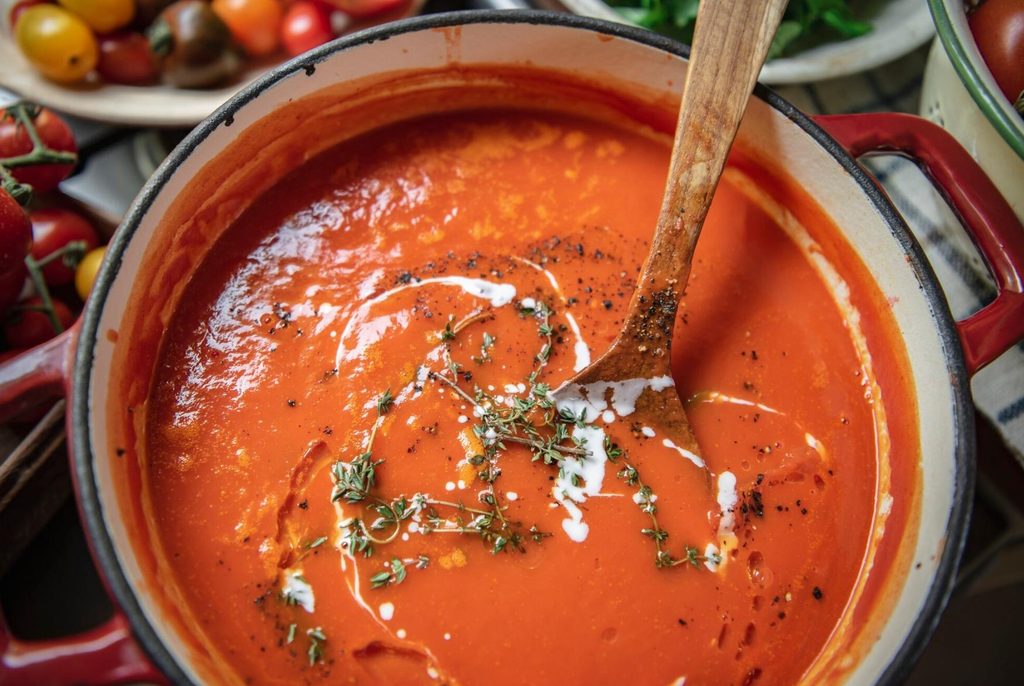
The Maillard Magic: Unlocking Caramelized Sweetness from Fresh Tomatoes
Boiling tomatoes is convenient, but it leaves most of their hidden sweetness behind. Roasting does the opposite: it pushes raw, sharp edges into deep, jammy richness. This section explains how high heat transforms the fruit from the inside out and why every sticky bit stuck to the pan is pure gold.
Heat Transforms Raw Bite into Rich Caramel
When tomato wedges meet dry oven heat, their natural sugars and amino acids begin a dance called the Maillard reaction. That process creates hundreds of new flavor compounds—nutty, savory, and faintly smoky—that no pot of boiling water can produce. The flesh softens, the skins blister, and the once-bright acidity mellows into a rounded, almost fruity sweetness that tastes like it took hours, not minutes.
Moisture Loss Concentrates Savory Glutamates
As water evaporates, every drop of tomato juice shrinks down, leaving behind a more intense version of itself. Glutamates—the molecules responsible for that satisfying, meaty savor—become noticeably more prominent. The result is a concentrated tomato essence that feels richer and more complex, with no need for added sugar or heavy seasoning.
Pan Juices Hold the Deepest Flavor
After roasting, the baking sheet or pot bottom holds dark, caramelized drippings that are packed with umami. Deglazing with a splash of stock or water and scraping every bit into the soup pot captures that roasted intensity. This simple act turns a thin broth into a deeply colored, fragrant base that tastes like it simmered all afternoon.
Fat And Herbs: Extracting Lipophilic Flavors for Richness
Tomatoes give color and tang, but their most celebrated nutrient—lycopene—only dissolves in fat. This part shows how choosing the right oil and building a fragrant foundation with aromatics turns a watery tomato juice into a silky, golden soup that carries flavor in every spoonful.
Choose a Stable Oil and Sweat the Aromatics Together
A good extra virgin olive oil does more than carry heat; it acts as a flavor amplifier. Its own fruity notes and gentle peppery warmth marry beautifully with roasted tomato acids. Start by warming the oil in a heavy pot, then add sliced onions and smashed garlic cloves. Sweat them slowly until they turn translucent and fragrant—this step builds a savory base that powdered spices simply cannot match. The oil also dissolves lycopene, making it bioavailable and giving the soup a richer mouthfeel.
Add Fresh Herbs During the Final Simmer
Once the roasted tomatoes and their juices join the pot, tuck in a sprig of thyme or a bay leaf. The warm fat extracts essential oils from the herbs, releasing a subtle perfume that lifts the entire dish. This gentle infusion adds depth without overpowering the tomato core, and the herbs can be removed before blending for a clean finish.
Acid Balance: Using a Pinch of Baking Soda to Smooth Sharpness
Even ripe tomatoes carry a biting acidity that can make a soup taste harsh. Reaching for sugar is a common reflex, but it dulls the brightness. This section introduces a tiny, precise helper that neutralises excess acid while keeping the tomato character intact.
Neutralise Free Acids Without Masking Flavour
Adding a small amount of baking soda—just half a teaspoon for a large pot—instantly reacts with free acids. This neutralisation softens the sharp edge without adding sweetness, so the natural fruitiness stays front and centre. The soup becomes noticeably smoother on the tongue, and the flavour feels more balanced.
Measure with a Light Hand for Perfect Balance
Too much baking soda leaves a soapy aftertaste, so precision matters. For every six cups of finished soup, use exactly half a teaspoon. Stir it in after roasting but before adding any cream or milk. Watch for a brief fizz—that is the acid-base reaction doing its work. Let the soup rest for a minute, then stir again to ensure even distribution.
Prevent Curdling When Adding Dairy
Once the pH is gently adjusted, heavy cream or whole milk can be swirled in without fear of separation. The soup stays homogenous and velvety, and the dairy adds a lush body that complements the roasted notes perfectly. No more ugly white flecks or broken sauce—just a smooth, cohesive bowl.
Silky Finish: Achieving Velvety Texture through Homogenization
A great tomato soup should feel like a warm embrace on the palate—not watery, not chunky. This final step is all about creating that luxurious, uniform consistency that makes every sip memorable. Modern handheld tools make the process almost effortless.
Emulsify Fibres and Fats with an Immersion Blender
A powerful handheld blender breaks down plant fibres and fat droplets into a stable emulsion. Start at low speed to submerge the blades, then gradually increase. Move the stick in a gentle figure-eight pattern, tilting the pot slightly to reach every corner. This technique ensures that no gritty bit remains and the soup stays silky smooth for hours without separating.
Finish with a Hand Whisk for Extra Gloss
After blending, give the soup a few quick strokes with a wire whisk. This relaxes the emulsified structure just enough to produce a glossy, fluid texture that pours beautifully. The final sheen on the surface signals a bowl that has been cared for, not rushed.
Conclusion: The Quiet Craft of a Great Tomato Soup
Roasting, fat selection, acid control, and thorough blending are not complicated tricks. They are small, deliberate choices that honour the tomato’s natural gifts. Each step builds on the previous one, turning a routine recipe into a personal creation that tastes of patience and attention.
The true reward lies in the balance—caramel sweetness, savoury depth from oil and herbs, bright yet mellow acidity, and a velvety body. None of this demands rare equipment or extraordinary skill. Just a hot oven, a steady hand, and a curiosity for how heat, fat, and acid interact. That is all it takes to make a bowl that feels both familiar and wonderfully new.