Families preparing for a whale watching trip with children focus on the moment of a humpback breaching the surface, yet that fleeting glimpse is merely the opening of a far more meaningful adventure. Responsible tours provide safety briefings, naturalist commentary, and data‑logging tools, converting a casual outing into an active contribution to ocean conservation. Seasonal migration charts, vessel etiquette guides, and marine biology resources help families plan respectful encounters that spark lifelong curiosity and a sense of shared stewardship.
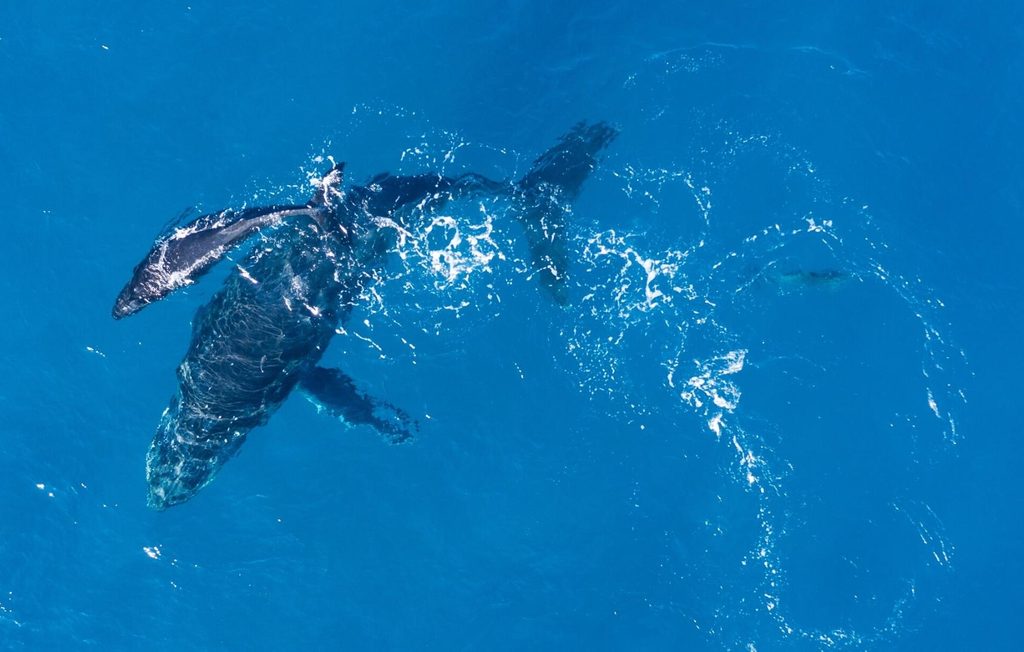
Safe Distance and Naturalist Narration: The NOAA-Compliant Vessel Experience
For families with young children, the choice of operator makes all the difference. Vessels that follow strict approach guidelines keep both whales and passengers at ease, while a trained naturalist transforms each sighting into a memorable story about migration, feeding, and social bonds.
The interpretive marine education framework
Live commentary on board connects every tail slap and spout to broader ecological concepts. Naturalists point out breathing patterns, calf behaviour, and even the scars left by predators or fishing gear. This narrative turns a passive viewing into an active Q&A session, where kids ask questions and adults learn alongside them. The storyteller’s tone shifts with each new sighting – excitement for a breaching whale, gentleness for a mother nudging her calf, awe for a deep dive that reveals the full span of the tail. Children lean over the railing, eyes wide, absorbing not just facts but a sense of wonder that no textbook can replicate.
Hydrophone immersion
A submerged microphone lowered over the side picks up the haunting songs of males and the chatter of mother-calf pairs. These sounds are piped through speakers in the cabin or streamed to headphones on deck, giving passengers an auditory window into a world they cannot see. When the first low moan rolls through the speakers, young faces light up with disbelief – is that really a whale singing? Then come the clicks and whistles, a conversation happening just beneath the hull. Families often describe this as the moment the trip shifted from sightseeing to connection, as if the whale had personally introduced itself. Operators offering this feature regularly receive feedback that children remember the songs long after they forget the boat ride.
Choosing certified operators
Responsible companies display clear distance-keeping credentials and provide pre-trip briefings on what to expect, setting a tone of respect rather than spectacle.
Morning Seas and Motion Sickness: Picking the Perfect Day Afloat
A smooth ride depends less on luck and more on choosing the right season and the right hour. Winter and spring bring migrating humpbacks to many coastal waters, while early mornings typically offer flatter swells and lighter winds.
Morning flat-sea advantage
Sea conditions usually deteriorate as the day warms up, with afternoon breezes kicking up chop that rocks smaller boats. The ocean tends to lie stillest during the first hours after sunrise, before the sun heats the land and stirs up onshore winds. For families with young children or anyone prone to queasiness, this early window is golden. The difference between a glassy morning surface and a choppy afternoon can transform the entire experience – one allows steady footing and calm gazing, the other sends passengers gripping the rails. Checking a reliable marine forecast app for wave height and wind direction the night before adds another layer of certainty.
Seasonal migration timing
Migrating humpbacks follow a predictable calendar, with peak numbers passing through during the core winter and spring months. Operators publish historical sighting logs that show weekly encounter rates, helping families pick dates with proven records. Avoiding the very beginning or end of the season reduces the chance of returning empty-handed.
Motion sickness mitigation
Even on a calm morning, some passengers feel unsettled. Over-the-counter remedies taken an hour before boarding work well, and acupressure wristbands offer a drug-free alternative. Ginger lozenges soothe queasy stomachs naturally, and many vessels provide chilled fruit as a palate cleanser. The single most effective trick, however, is standing on the open deck and fixing eyes on the horizon – that steady line between sea and sky gives the inner ear a reliable reference point. Fresh air and a forward gaze do more to settle a stomach than any pill.
Beach Cleanup and Plastic Awareness: Hands-On Stewardship for Young Minds
The most powerful conservation lesson does not happen on the water but on the shore. Pairing a whale watching tour with a nearby beach clean-up gives children a tangible reason to care about what floats in the sea.
Direct link between land and ocean
Walking along the tide line, families collect discarded bottles, fishing nets, and packaging fragments. A guide holds up a transparent bag drifting in the water – see how it pulses like a jellyfish? That is exactly what a hungry whale sees. Children suddenly understand that their discarded snack wrapper does not disappear; it travels. The physical act of bending down, picking up, and bagging debris transforms an abstract concept into a personal responsibility. When a child finds a fragment of fishing line tangled in seaweed, the guide explains how it could entangle a flipper or choke a calf. These moments hit harder than any classroom video because they are real, immediate, and their own.
Turning cleanup into discovery
Many trips include a dedicated shoreline stop where families spread out along a designated stretch of sand. Instead of treating it as work, guides frame it as a treasure hunt – who can find the most unusual item? Who spots the oldest piece of plastic? Children compete with enthusiasm, and their discoveries become conversation starters. Over time, these families often return to the same beach, watching their cleanup efforts make visible, year-by-year progress. The memory of a full garbage bag carried back to the dock stays with a child far longer than a souvenir shop trinket.
Eco-friendly takeaway
Operators reinforce the message with reusable water bottles and snack packaging that breaks down naturally, reminding families that small daily choices add up.
Citizen Science Logging: Recording Fluke Patterns and Unusual Behaviours
Every whale carries a unique identification card on its tail. Encouraging families to photograph and submit these images turns tourists into data contributors, bridging the gap between recreation and research.
Fluke ID photography tips
When a whale dives, its tail flukes rise high before disappearing – a perfect moment for a photo. A quick, steady shot from the side captures the distinctive black-white pattern and the notched edges that identify individuals. Onboard naturalists demonstrate the best camera settings and angles, showing families how even a smartphone can produce a usable image with the right timing. The challenge becomes part of the fun: can you get the shot before the tail slips beneath the surface? Children take pride in reviewing their photos, comparing them to identification charts, and discovering that their picture actually matches a known whale. This turns a casual snapshot into a scientific contribution.
Behavioural observation logs
Beyond tail pictures, families can note unusual events – a whale breaching repeatedly, slapping its pectoral fin, or lingering in areas where it normally does not feed. These anomalies often signal changes in prey distribution or emerging health issues. Recording what they see, even in simple notes, gives children a sense of purpose beyond passive viewing. Over multiple trips, these logs accumulate into a personal journal of encounters, each entry tied to a specific date, weather condition, and whale behaviour. The family becomes a research team, comparing notes across seasons and celebrating when they spot a familiar individual again.
Shared discoveries
When families return from a trip and upload their photos, they join a community of observers who collectively track whale movements. Knowing that their picture might help scientists understand migration routes gives the experience lasting significance. The joy of recognising a whale from a previous year, or learning that their photo contributed to a published study, turns a day on the water into a lifelong memory.
Conclusion: The Family Whale Watching Compact
A memorable whale watching trip does not happen by accident. It requires choosing a certified vessel with a skilled naturalist, booking a morning departure during peak season, preparing for motion comfort, and extending the day with a beach clean-up. Each decision reduces risk and deepens understanding, transforming a simple boat ride into a layered educational experience.
Beyond the checklist lies a larger purpose. The photos you take become scientific records; the plastic you collect stays out of a whale’s stomach; the songs you hear linger in memory. By blending recreation with responsibility, families discover that whale watching is not a passive spectacle but an active partnership with the marine world – one that starts with a single horizon and stretches across generations.