Common assumptions about backpacking often overstate the necessity of premium gear and extraordinary fitness levels for truly enjoyable weekend trips. Yet a comfortable backcountry experience does not demand the lightest tent or the priciest sleeping bag, but rather a balanced set of choices regarding pack weight, meal simplicity, daily training, and route planning. Practical packing guides, simple meal-prep strategies, and moderate daily training schedules frequently reveal that modest adjustments turn lengthy mountain paths into pure recreation.
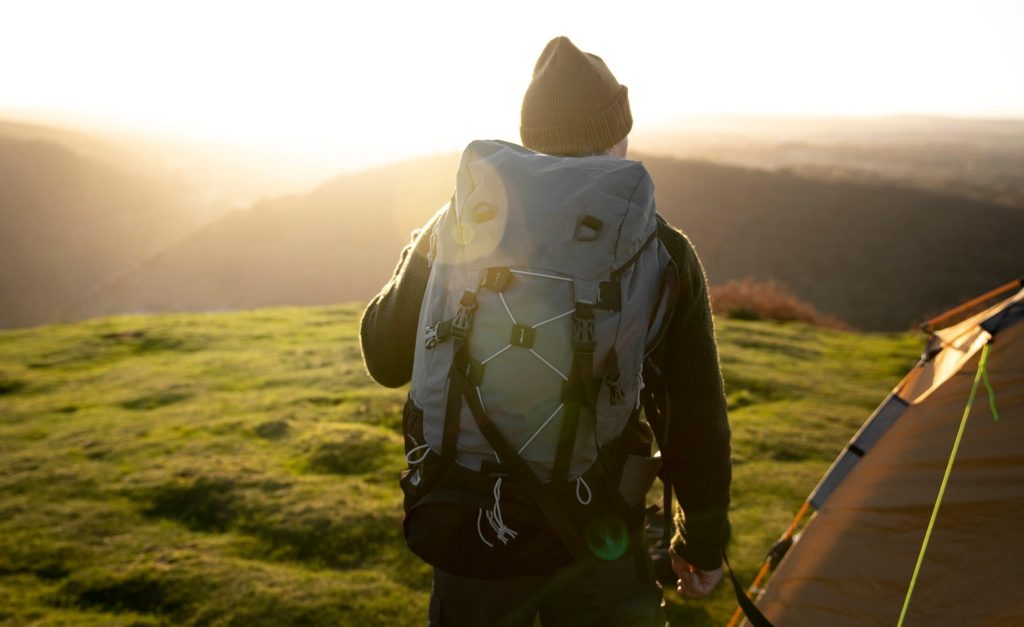
Big Three Weight Threshold: Keep It Under Ten Pounds
Start with a kitchen scale. Weigh your current backpack, tent, and sleeping bag together. That raw number tells the truth, not the optimistic labels on boxes. A 2-pound pack, a 2.5-pound tent, and a 3-pound quilt fit neatly under 10 pounds. But beware: manufacturer weights often exclude stakes, stuff sacks, and rainflies. A tent claiming 2 pounds easily becomes 2.8 once fully rigged. Always check trail-ready totals, not shelf weights. If your Big Three exceed 10 pounds, swap the heaviest single piece first. Down quilts replace synthetic bags most efficiently per dollar. Every half-pound shed saves knees and spares energy for the views ahead.
Weigh everything together
Put all three items on the scale at once, with their normal accessories. This combined figure decides whether you pass or fail the threshold. Do not weigh them separately and add mentally; the total often surprises.
Ignore box claims
Manufacturer numbers are marketing, not math. Read the fine print for what is included. Factor in pegs, guy lines, pole sections, and compression sacks. Build your budget solely on your own scale readings.
Swap the heaviest offender
Identify which of the three weighs most. Usually it is the sleeping bag. Moving to a lighter quilt or a smaller tent saves the biggest chunk. Keep swapping until the sum stays firmly below 10 pounds.
Multi-use Gear Philosophy: One Item, Two Jobs
Stop carrying a separate tool for every tiny task. Let each item earn its place by doing at least two jobs. Trekking poles support your tent and steady your stride. A rain poncho covers your body and your backpack, then becomes a groundsheet at camp. A titanium mug holds your stove, serves as a bowl, and measures water for meals. Even short cords and mini carabiners secure food bags, replace broken laces, and tension drying lines. This mindset slashes the total number of objects in your pack, leaving more room for snacks and less mental clutter.
Poles become tent frames
Choose a shelter designed for pole pitching. No dedicated arches to carry or bend. Set up faster, with fewer parts to fumble.
Wearables double as gear
A wind jacket stuffs into a pillow, or tucks under your head as extra warmth. A large scarf shields sun, wipes sweat, and handles hot pots.
Cookware that nests and serves
Your pot lid fries cheese or slices sausage. The mug stores spices or small essentials. Nested sets eliminate bulky separate bowls.
Cords and clips for emergencies
Three carabiners and a few meters of cord handle bear hangs, tarp tie-downs, shoe repairs, and sock drying. They weigh almost nothing but replace half a dozen dedicated tools.
Dehydrated Meals and Titanium Stoves: Fuel Smart, Carry Less
Canned stews stay in the car. On the trail, freeze-dried meals and a titanium stove make the lightest kitchen. Target at least 120 calories per dry ounce. Chili with beans, chicken teriyaki, and coconut curry deliver that punch. Instant oatmeal with dried fruit and nuts does the same for breakfast. A 100-gram gas canister boils about 500 milliliters of water ten times in real use, enough for two hot meals and coffee over a long weekend. Test this at home with your own stove and pot. Carry only the fuel you need, plus a tiny tablet stove as backup. Total kitchen weight stays under 1.5 pounds without guesswork.
Choose high-density foods
Read nutrition labels. Compare calories per ounce, not per serving. Skip bulky rice sides that need extra water and fuel.
Run a home boil test
Boil water repeatedly with your canister. Count how many boils you get. That number dictates exactly how much gas to pack for your trip length.
Downsize the burner
Titanium stoves are tiny but fierce. They channel heat directly, wasting less fuel than large heads. Pair with a wide pot for faster boiling.
Rucking Prep: Train Your Body for the Light Load
A light pack still feels heavy on unconditioned joints. Four weeks of progressive walking prepare the body without needing a gym.
Week one: walk 3 miles on flat ground with 5 pounds in the pack, focusing on posture and shoulder relaxation.
Week two: find moderate hills, carry 8 pounds, and add two 5-minute uphill bursts.
Week three: load up to your actual trail weight (10 to 12 pounds) and cover 5 miles over grass, gravel, and dirt, with short breaks each mile.
Week four: keep full weight but quicken the pace to 3.5 miles per hour for 4 miles, including side steps and backward steps for ankle stability.
Then rest two full days before departure. Light stretching and short unweighted walks keep blood flowing without draining glycogen. This taper repairs micro-tears and leaves fresh legs for the first sunrise.
Week one builds baseline
Flat pavement, light load, repeat three times. Notice any hot spots or hip pressure early.
Week two adds incline
Hills awaken calf muscles and Achilles tendons. Short bursts teach energy management on climbs.
Week three simulates reality
Mixed surfaces, full pack weight, practice on-and-off drills. Lower back and shoulders adapt to sustained pressure.
Week four sharpens speed and balance
Brisk walking and lateral moves engage stabilizers. Wear your actual trail shoes and socks for this final session.
Two rest days are non-negotiable
Taper is not laziness; it is part of the plan. Arrive at the trailhead rested, eager, and injury-free.
Conclusion: Lighter Trails, Richer Days
Ultralight backpacking does not mean suffering. It means trading dead weight for living attention. Each pound shed opens ears to birdsong, eyes to stars, and hands to a warm meal at dusk.
Discipline in gear, creativity in function, intelligence in food, and honesty in training merge into a steady rhythm. The trail stops being a battle and becomes a dialogue. When lightness becomes instinct, the wild itself feels like home.