Choosing hiking shoes involves more than finding a comfortable pair. Trail conditions, distance, terrain, weather, foot shape, and personal preferences can all affect which shoes feel suitable. Some hikers prioritize lightweight designs for day trips, while others need stronger support, traction, or protection for rough terrain. Comparing fit, outsole grip, cushioning, durability, water resistance, breathability, and weight can make the decision easier. Trying shoes with hiking socks and considering the trails you expect to use can help reduce discomfort.
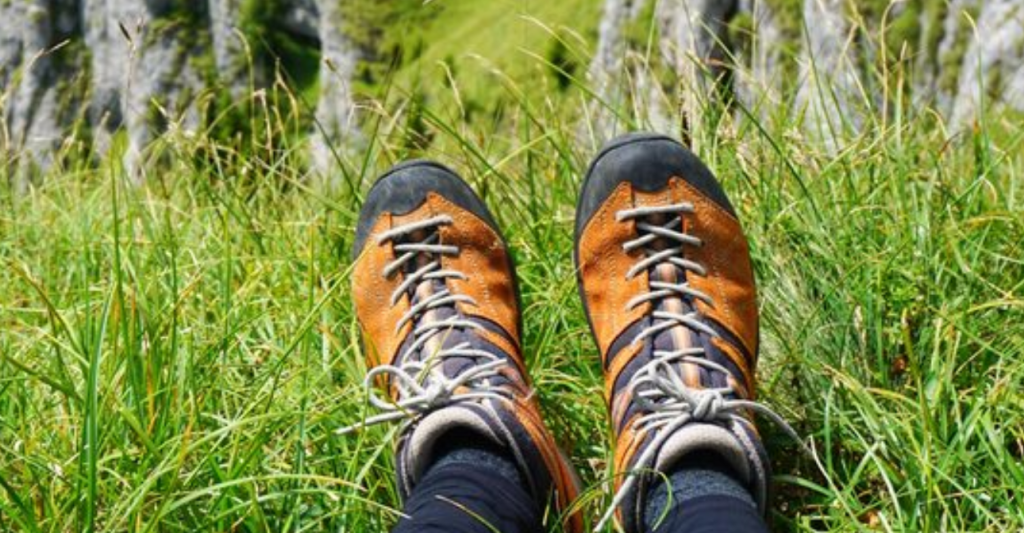
Start With The Trails You Actually Hike
The best hiking shoe is not necessarily the most rugged or expensive option. A pair designed for steep, rocky terrain may feel unnecessarily heavy on maintained paths, while lightweight trail footwear may not provide enough protection for demanding routes. Thinking about where you normally hike is therefore a better starting point than choosing based on appearance alone.
Consider whether your usual routes involve:
- Paved approaches and maintained trails
- Dirt paths with moderate elevation
- Rocky or uneven terrain
- Wet and muddy conditions
- Long-distance hikes with a heavier backpack
The more demanding the environment, the more important traction, stability, and protection can become.
Fit Should Come Before Features
A shoe can have excellent materials and impressive specifications but still be unsuitable if it does not fit correctly. Hiking often involves many hours of walking, so small pressure points that seem insignificant in a store can become uncomfortable during a longer outing.
Pay attention to heel movement, toe room, width, arch comfort, and overall pressure. Your toes should have enough space to move without the foot sliding excessively inside the shoe. It can also be useful to try hiking shoes later in the day, when feet may be slightly more swollen, and to wear the socks you normally use on the trail.
Traction Makes A Difference On Changing Surfaces
The outsole is one of the most important parts of a hiking shoe because trail surfaces can change quickly. Dry dirt, loose gravel, wet rocks, mud, and roots all require different levels of grip.
Deeper and more aggressive tread patterns can provide useful traction on loose or uneven ground, while less aggressive designs may feel smoother and more comfortable on easier trails. Hikers who regularly encounter wet conditions should also consider how the outsole performs when surfaces become slippery rather than judging traction solely from appearance.
Lightweight Shoes Versus More Protective Designs
Weight can have a noticeable effect over a long day on the trail. Lightweight hiking shoes may feel more agile and require less effort with every step, making them attractive for day hikes and faster-paced outings.
More structured footwear can provide additional protection and stability, particularly when walking across rough terrain or carrying a heavier load. The tradeoff is that additional materials can increase weight and sometimes reduce flexibility.
A useful way to compare the two is to ask whether your typical hikes reward speed and flexibility or whether protection and stability are more important.
Waterproofing Is Not Always The Obvious Choice
Water-resistant and waterproof hiking shoes can be useful in wet environments, but they are not automatically ideal for every climate. Waterproof materials can help keep external moisture from entering the shoe, while breathable, non-waterproof designs may dry more quickly after becoming wet in warm conditions.
Think about the weather where you normally hike rather than choosing waterproofing simply because it sounds like a premium feature. For frequently wet trails, protection from rain and puddles may be valuable. For hot and dry environments, ventilation can become a higher priority.
Cushioning And Support Affect Long Walks
Cushioning influences how a shoe feels underfoot, particularly on hard surfaces and during longer hikes. Some hikers prefer a softer feel, while others want firmer contact with the ground for greater stability and control.
Support also depends on the individual. A shoe with substantial structure may feel reassuring on uneven terrain, but excessive stiffness can be uncomfortable for someone accustomed to flexible footwear. Trying several designs can reveal which balance feels natural rather than relying only on product descriptions.
Durability Should Match Your Hiking Frequency
Frequent hikers may place more value on construction quality because repeated exposure to rocks, dirt, moisture, and abrasion can wear footwear quickly. Someone who hikes occasionally may have different priorities and may not need the same level of rugged construction.
When assessing durability, look at:
- Outsole construction
- Upper materials
- Stitching and reinforcement
- Toe protection
- Heel structure
The goal is to choose durability appropriate to actual use rather than automatically paying more for the most heavily constructed option.
Break In New Shoes Before A Long Hike
Even a well-fitting pair may feel different after several hours of continuous walking. Wearing new hiking shoes around the house or on shorter walks can help identify pressure points before committing to a full-day trip.
This is particularly important if you are preparing for a long-distance hike or vacation where replacing footwear may be inconvenient. If discomfort appears during shorter walks, it is better to address the problem early rather than hoping the issue will disappear during a longer outing.
How To Compare Several Pairs
When several hiking shoes appear suitable, compare them using the same criteria instead of switching between different standards for each pair. Consider fit first, then traction, weight, protection, weather resistance, cushioning, and expected durability.
It can also help to think about your most common trail rather than the most extreme route you might encounter once a year. Choosing footwear around your normal use generally provides a better balance between comfort and capability.
Conclusion: Finding Hiking Shoes That Fit Your Trails And Walking Style
The right hiking shoes should match the terrain, weather, distance, and type of hiking you actually do while providing a comfortable and secure fit. Traction, weight, protection, cushioning, waterproofing, breathability, and durability all deserve consideration, but no single feature matters more than choosing footwear that suits your personal needs. By testing the fit carefully and comparing shoes according to your typical trails, you can make a more practical choice for comfortable days outdoors.