Why does playing adult volleyball in running shoes and cotton tees often result in unexpected foot fatigue, erratic control and mild joint discomfort, despite adequate fitness? The right court‑specific footwear with gum soles and a properly inflated ball can reduce impact forces and sharpen precision, yet many players stick with multipurpose gear that fails to support lateral moves. Proper shoe, ball, and apparel selection—combined with proper fit techniques—remains essential for preventing common mishaps and boosting court enjoyment.
Volleyball Shoes versus Cross Trainers: Why Specialized Footwear Matters
On sport court surfaces, volleyball‑specific outsoles provide markedly better lateral grip and torsional support than running or basketball shoes, reducing the risk of ankle rolls and foot fatigue. Many beginners grab cross trainers, but these lack the medial side wrap and gum rubber compound that make volleyball shoes excel indoors.
Distinct outsole patterns and gum rubber traction
Volleyball shoes feature a herringbone or multidirectional tread made of soft gum rubber, which bites into wooden or synthetic floors during lateral shuffles and pivots. Running shoes use harder carbon rubber with linear grooves that slip sideways. Basketball outsoles are thicker and heavier, adding unnecessary weight. Volleyball outsoles also wrap up the medial side to support the drag step during serves and attacks – a detail most cross‑trainers miss. Never wear gum‑rubber volleyball shoes outdoors; the abrasive concrete will shred the soft compound within a few sessions.
Midfoot stability and anti‑twist design
A rigid shank plate in the midsole prevents excessive foot rotation during abrupt stops, a common cause of ankle sprains. Volleyball shoes keep a low profile with firm heel counters, allowing free ankle movement while maintaining lateral security. The foam is tuned to absorb jump impact without deadening court feel.
Forefoot energy return and lightweight construction
Premium volleyball shoes use responsive foam compounds that return energy during takeoff, reducing leg fatigue over long matches. The upper is breathable mesh with minimal overlays, keeping feet cool. Weight stays under 350 grams per shoe, noticeably lighter than most basketball or training shoes. This combination translates into quicker first steps and higher verticals without extra effort.
Indoor versus Beach Balls: Selecting the Right Sphere for Your Surface
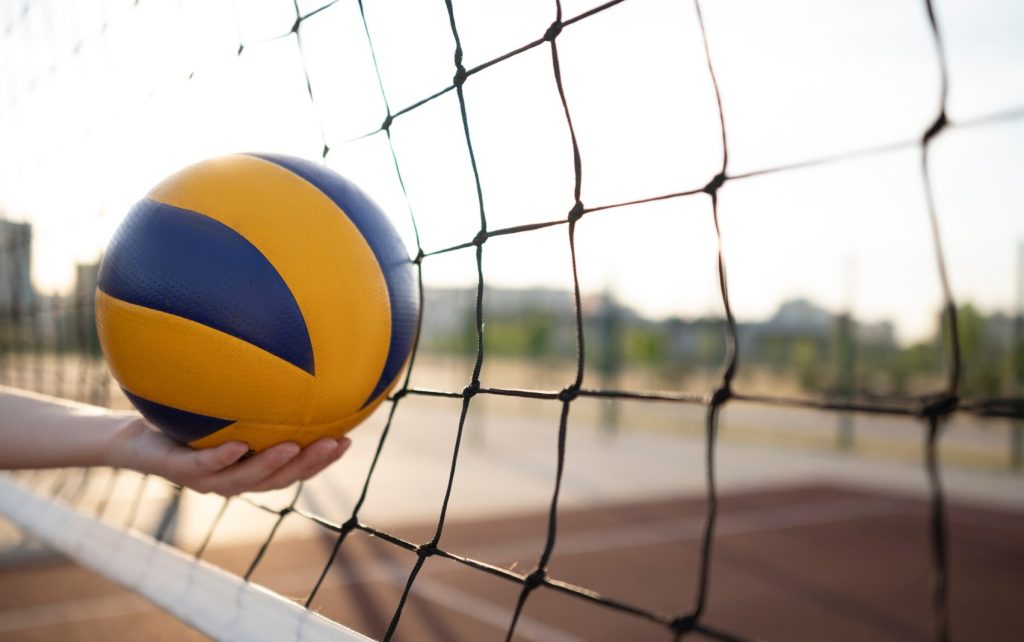
Indoor and beach volleyballs differ fundamentally in material, pressure, and size. Using the wrong ball on the wrong surface ruins it quickly and hurts your game.
Indoor ball construction for consistent handling
Indoor balls use premium microfiber leather or soft polyurethane covers that offer a tacky feel for precise setting and spiking. Panels are thermally bonded to eliminate seams that cause unpredictable bounces. The 18‑panel aerodynamic design stabilises flight during serves. Internal bladder pressure is set around 0.3‑0.325 kg/cm² (standard for FIVB). The ball is relatively firm and responsive.
Beach ball durability and lower pressure
Beach balls have a water‑resistant composite PU cover that repels sand and UV rays. They are slightly larger in circumference (66‑68 cm vs 65‑67 cm indoor) and have lower internal pressure (0.175‑0.225 kg/cm²), which slows the game and extends rallies. The surface is textured for grip when damp. Most beach balls are stitched, not bonded, and they are designed to withstand sun and moisture. Never use an indoor leather ball on sand – it will absorb water, clog with sand particles, and lose its shape permanently.
Choosing the right ball for your league
Always check your league rules – many specify a particular model. For practice, buy the same ball used in official matches to build consistent muscle memory. If you play both indoors and on sand, own two separate balls and never mix them up.
Apparel That Moves with You: Focus on Volleyball‑Specific Needs
Volleyball involves constant overhead reaching, diving, and rolling. While general sports fabrics wick sweat, the real need is four‑way stretch for full arm extension and abrasion resistance for defensive plays.
Four‑way stretch for full range of motion
Shirts and shorts must stretch horizontally and vertically to allow spikes without tugging at the shoulders. Look for elastane or Lycra content (around 10%) to ensure the garment returns to shape. Baggy tops are a hazard – they can catch on opponents or block your vision during passes. Tight but non‑binding fits are preferred.
Abrasion and friction protection for dives
Liberos and defensive players benefit from reinforced knees and hips in shorts, or padded slider shorts worn underneath. Seam placement matters – flat seams reduce chafing during repetitive floor contacts. Moisture‑wicking is secondary; the primary concern is that the fabric does not restrict your arm swing or cling uncomfortably when sweaty. A good volleyball jersey stays put and moves with you, not against you.
Building Your Volleyball Kit: Cost‑Effective Essentials for Weekly Games
For regular players, a well‑assembled gear bag saves hassle. Focus on protective gear and a bag that keeps wet and dry items separate.
Essential items for every session
Your kit must include volleyball‑specific shoes (never worn outside), an approved match ball, and knee pads – even for casual play, because diving happens on hard indoor floors. Choose thick foam or gel knee pads for indoor courts; they absorb impact and prevent bruises. On sand, knee pads are unnecessary. Ankle braces are critical for front‑row players (middle blockers and outside hitters) who jump near the net – they reduce the risk of rolling an ankle when landing on an opponent’s foot. A sweat towel, large water bottle, and a small ice pack for post‑match soreness complete the basics.
Choosing the right duffel bag
Only two features matter: a separate ventilated shoe compartment to keep dirty soles away from clean clothes, and a wet pocket for sweaty jerseys so they do not soak other gear. Extra pockets and padded straps are nice but not essential. A simple, durable nylon bag with these two compartments works perfectly.
Conclusion: Gear Checklist Before Match Day
Double‑check these before heading to the court: volleyball shoes with clean gum rubber soles (never worn outdoors), the correct ball for your surface (indoor or beach), knee pads if playing indoors, ankle braces if you are a net player, and a bag with separate shoe and wet pockets. Skip the rest – flashy extras do not win points.
Stick to these essentials and you will stay safe, comfortable, and ready to play. No need to overthink; just practice and enjoy the game.