Typical busy weeknights often leave very little energy for lengthy cooking, yet indeed a wholesome meal is still on the mind. Simple shrimp stir-fry can certainly offer a quick protein source, but repetitive flavors may sometimes fail to excite the palate. Would trying very quick shrimp recipes with minimal ingredients and fast cooking methods possibly actually make a fifteen-minute dinner both quite easy and very enjoyable? Read the additional tips below on speedy shrimp dishes, or also use the search tool to find related recipes on our own site.
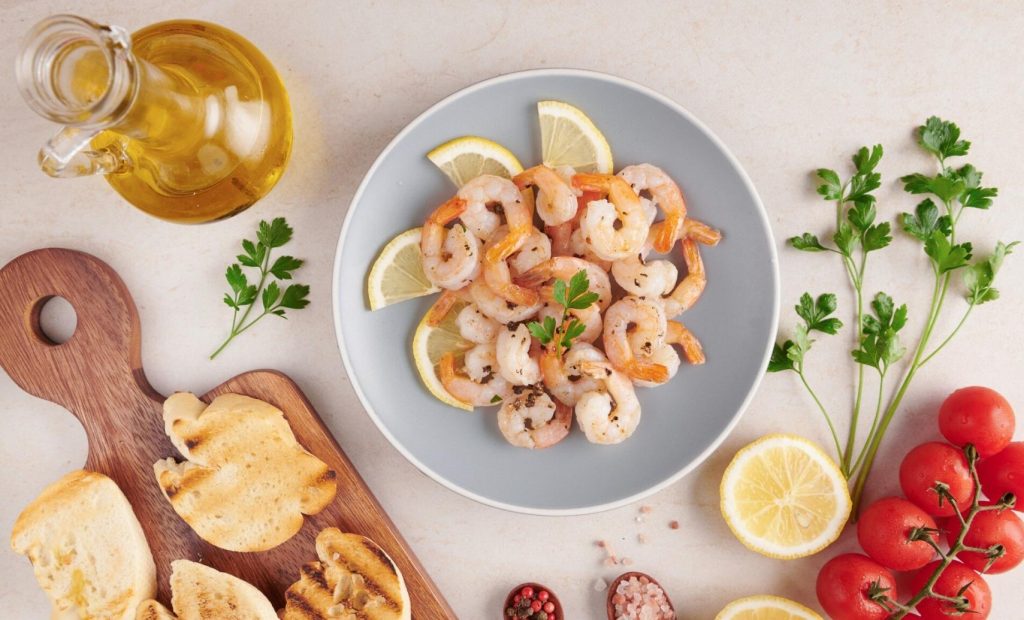
Rapid Thawing and the Golden Doneness Window
Cold-water thawing delivers ready-to-cook shrimp in under 5 minutes, eliminating the need for overnight refrigerator planning. Rinse frozen shrimp under cold running water for about 5 minutes, then pat them thoroughly dry with paper towels. Removing excess surface moisture is the key to achieving a good sear rather than steaming the shrimp in their own liquid.
The C-shape versus the O-shape rule
Shrimp curl as they cook because the protein fibers contract. When they form a loose C shape, the interior has just reached doneness and the meat is tender and succulent. If they curl into a tight O shape, they have been on the heat too long and will be tough and chewy. Pulling the pan off the heat at the C stage ensures the shrimp stay perfectly cooked.
Carryover cooking and the slightly underdone state
Shrimp continue cooking from residual heat after leaving the pan. The ideal time to remove them is when they still look slightly underdone in the center, with a faint translucent hint. The carryover heat will finish that last 10 percent of cooking within a minute. Placing them on a separate plate rather than leaving them in the hot pan stops the process immediately.
One-Pan Garlic Butter Shrimp: Minimal Cleanup, Maximum Flavor
This dish eliminates the need for multiple bowls, strainers, or serving dishes. Everything comes together in a single cast iron skillet, from sizzling the garlic to finishing the sauce. A heavy pan retains heat well and creates a quick sear that develops a flavorful crust.
Garlic and butter sequence matters
Melt the butter over medium-high heat and add finely minced garlic. Cook for just 30 seconds until fragrant, then add the shrimp immediately. Garlic turns bitter quickly when overcooked, so the timing between adding the garlic and the shrimp should be tight. This sequence ensures the garlic infuses the butter without burning.
Single layer, no crowding
Arrange the shrimp in a single layer with space between each piece. Crowding the pan traps steam and boils the shrimp rather than searing them. Steam creates a grayish, rubbery surface, while proper spacing allows the high heat to brown the exterior and develop deeper flavor. Working in batches if necessary is better than overloading the skillet.
Using the pan sauce for extra flavor
Once the shrimp curl into a C shape, remove them to a plate. Add a splash of white wine or broth to the skillet, scraping up the browned bits left behind. Turn off the heat and stir in a small knob of cold butter to emulsify the liquid into a glossy sauce. Return the shrimp briefly to coat them before serving.
Pasta Pairings: Starchy Water as the Sauce Booster
Cooking pasta and shrimp side by side keeps the entire meal within the 15-minute window. The starchy water left from boiling pasta helps the sauce cling to the noodles without requiring heavy cream or thickeners. A splash of that reserved water turns butter, garlic, and pan juices into a silky coating.
Timing the two tracks
Start the pasta water boiling before doing anything else. While the pasta cooks, prepare the shrimp in the skillet. Both finish around the same time with minimal waiting. Save about half a cup of the pasta water before draining, then add it to the skillet with the shrimp and butter mixture.
Tossing pasta directly in the skillet
Transfer the cooked pasta directly into the skillet with the shrimp and sauce. Toss everything together over low heat for about a minute, allowing the pasta to absorb the sauce’s flavors. The starchy water helps the sauce adhere to each strand without pooling at the bottom. Serve immediately with a sprinkle of fresh herbs or red pepper flakes.
Meal Prep Shrimp: Cold Conversions for Next-Day Lunches
Cooking an extra batch of shrimp on a Sunday or Monday evening sets up salads, grain bowls, and wraps for the rest of the week. Poached or sautéed shrimp stay moist and versatile when properly handled. This approach makes weekday lunches almost effortless.
Poaching for the most adaptable texture
Poach shrimp in lightly salted water or broth until they just curl. Shock them in ice water to stop cooking instantly. This method yields shrimp that remain tender even after refrigeration and work equally well in cold salads or warm dishes. Pat them dry before storing.
Quick salad bowl assembly
Combine the pre-cooked shrimp with mixed greens, cherry tomatoes, cucumber, and a light vinaigrette for a lunch that comes together in under 5 minutes. Adding avocado or hard-boiled eggs boosts satisfaction. The assembled bowl needs no reheating, making it office-friendly.
Conclusion: Shrimp as the Weeknight Dinner Champion
Shrimp recipes deserve a permanent spot in the weeknight rotation because they deliver speed, nutrition, and versatility in one package. The key principles are straightforward: thaw quickly in cold water, watch for the loose C shape to avoid overcooking, and let carryover heat finish the job. A single skillet and a pot of boiling pasta handle everything else, turning simple ingredients into meals that feel intentional rather than rushed.
A dedicated batch of shrimp on Sunday yields salads and bowls that keep lunches interesting all week. This two-for-one strategy maximizes the effort invested in one cooking session while protecting both budget and health goals. Whether served hot over pasta or cold in a grain bowl, shrimp adapt to whatever time and mood allow, making them the ultimate ally for anyone who wants good food without spending all evening in the kitchen.