A home medical device shelf displays many BP monitors, but choosing one that gives trustworthy readings is not always straightforward. Common models can measure systolic and diastolic numbers, yet their accuracy may vary without proper clinical validation or correct cuff type. Would checking a blood pressure monitor’s clinical validation status and upperarm cuff design help ensure reliable home tracking and better purchasing decisions? Read the practical tips below on device certification, or use the search tool to find related topics on our site.
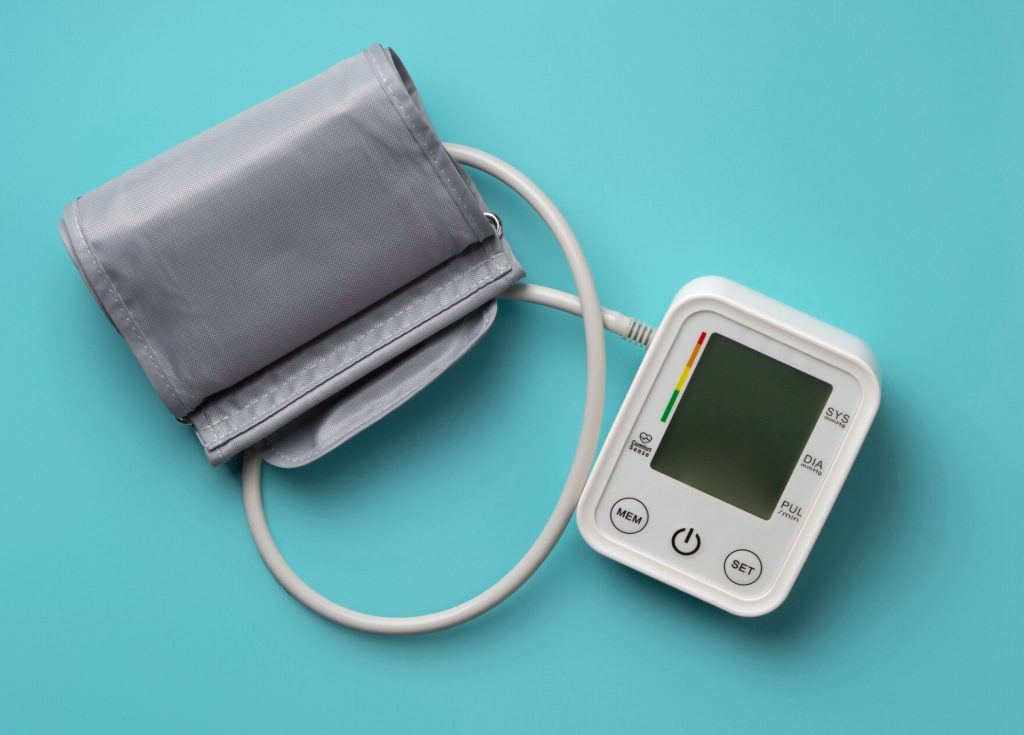
Why Upper Arm Design Remains the Uncontested Standard
Device comparison studies have repeatedly shown that wrist type monitors produce significantly wider reading variations than upper arm models. Professional cardiovascular associations consistently recommend the upper arm site over the wrist for home tracking.
Anatomical reasons and wrist pitfalls: The brachial artery in the upper arm lies at heart level when properly supported, matching clinical measurements. Wrist arteries are narrower and more sensitive to hand position. Even slight bending can shift readings by 10 mmHg or more. The radial artery at the wrist stiffens with age, often giving falsely low systolic values. Any wrist position below heart level artificially raises the reading, while holding it above lowers it, making consistent posture nearly impossible without visual feedback.
Positioning simplicity: Upper arm cuffs have standardised placement: the bottom edge about an inch above the elbow crease, tubing aligned with the middle finger. This works for most adults, whereas wrist devices demand holding the arm at heart level, a posture difficult to maintain correctly.
Recognising this anatomical superiority helps households bypass misleading products. Choosing the right site is the first decisive step toward trustworthy monitoring.
Verifying Clinical Validation and Mastering Proper Measurement Protocol
Many budget monitors boast impressive accuracy claims, yet independent testing has repeatedly found that non validated units produce unreliable results. Even more critical is the measurement technique; incorrect posture can invalidate the most accurate machine.
Independent validation databases: Before buying, consult public registries such as Stride BP, maintained by an international collaboration of hypertension societies. Another trusted source is the British and Irish Hypertension Society (BIHS) validated list, or devices complying with the AAMI/ESH/ISO universal standard. These databases list models that have passed rigorous clinical accuracy protocols comparing against mercury sphygmomanometers across diverse populations. A listing here provides far stronger assurance than any celebrity endorsement.
Distinguishing validated from misleading labels: A truly validated model carries a specific mark referencing the testing standard. However, shoppers must beware of deceptive phrasing like FDA registered or FDA listed. Registration merely means the manufacturer has notified the regulator of intent to sell; it does not certify any independent accuracy test. Many non validated units exploit this loophole by printing registration numbers on the box. Always cross check the exact model on Stride BP or BIHS rather than trusting packaging slogans.
Pre measurement protocol for reliable readings: Even a validated device gives wrong numbers if preparation is skipped. Sit quietly with back support for at least five minutes. Keep both feet flat on the floor, do not cross legs, and empty the bladder beforehand, as a full bladder can raise systolic pressure by 10 to 15 mmHg. Place the cuff on bare skin at heart height. Do not talk or move during measurement; conversation alone can add 10 mmHg. Take two or three readings one minute apart and average them, using the same arm each time.
Focusing on clinical validation and following a strict pre measurement routine eliminates both advertising fog and user errors, turning the monitor into a genuinely useful clinical tool.
Senior Friendly Readability, Memory, Cuff Fit, and Arrhythmia Detection
Older adults often struggle with small screens, but usability extends beyond display size. Families with aging members need devices that accommodate fragile skin, arthritic hands, and the risk of irregular heart rhythms.
Screen size and backlight: A high contrast display with digits at least an inch tall and backlight illumination allows clear reading in dim morning or evening light, reducing misreading errors.
Dual user independent memory: Models with two separate memory banks, each holding over 100 recordings, automatically distinguish between users. This enables each person to track their own trends over weeks, crucial for medication adjustments.
Voice broadcast: Spoken announcements of systolic, diastolic, and pulse rate remove the need to read the screen, especially valuable for visually impaired seniors living alone.
Cuff size and pre formed design: A common cause of inaccuracy is using a standard cuff on an arm too large or too small. Most validated devices offer multiple sizes with arm circumference ranges on the packaging. For arthritic elderly users, a pre formed or D ring cuff that retains its shape is far easier to wrap with one hand than a soft cloth band. The rigid contoured design slips over smoothly, reduces gripping force, and ensures proper placement without assistance.
Irregular heartbeat and AFib detection: Many modern monitors include an indicator for irregular pulse rhythms. Though not a full diagnostic, it alerts users to possible atrial fibrillation, a serious condition in older populations. Early detection through routine home checks can prompt timely medical evaluation and stroke prevention, adding preventive value beyond simple pressure tracking.
Prioritising these ergonomic, memory, and detection features transforms a basic monitor into a comprehensive health assistant that encourages consistent use and early warning.
Power Maintenance: A Simple Storage Rule
A home monitor often sits unused for days, and power issues are a common frustration. While some models offer both AC adapter and battery options, the practical takeaway is simple.
Basic maintenance advice: If the monitor is kept plugged into the mains most of the time, remove any inserted batteries immediately. Leaving dry cells inside a constantly adapter powered device creates a leakage risk over months of idleness. Corroded acid can damage the motherboard beyond repair. For portable use, fresh alkaline batteries are reliable, but they should be taken out when the monitor returns to its permanent spot. A quick visual check every few months prevents most failures.
Ensuring power readiness requires just a habit of removing batteries during long stationary use. This five second routine keeps the device functional for years.
Conclusion: A Three Step Home Blood Pressure Practice
After reviewing device selection, measurement protocol, senior features, and power maintenance, a clear three step routine emerges. Step one: before buying, look up the exact model on Stride BP or BIHS to confirm independent clinical validation, ignoring any box that only mentions FDA registration. Step two: choose an upper arm device with a correctly sized pre formed cuff and, for older family members, ensure it has arrhythmia detection and dual memory. Step three: establish a fixed daily measurement schedule, preferably morning and evening, always following the five minute rest and feet flat protocol.
These steps address the most common points of failure, from buying unvalidated gadgets to measuring after a full bladder or while talking. A home blood pressure monitor demands both a trustworthy device and disciplined use. By applying this simple framework, any household can obtain consistently reliable numbers that genuinely support health decisions, reduce unnecessary clinic visits, and provide peace of mind without false alarms or wasted money.