A shelf of health monitors presents options, but distinguishing a reliable pulse oximeter from a less accurate one requires attention to specifications. Basic devices can read oxygen levels and pulse rates, yet factors like FDA clearance, display readability, and battery durability affect long‑term usefulness. Would reviewing a pulse oximeter’s certification, accuracy range, and build quality help select a cost‑effective model for home use? Read the practical tips below on choosing these devices, or use the search tool to find related topics on our site.
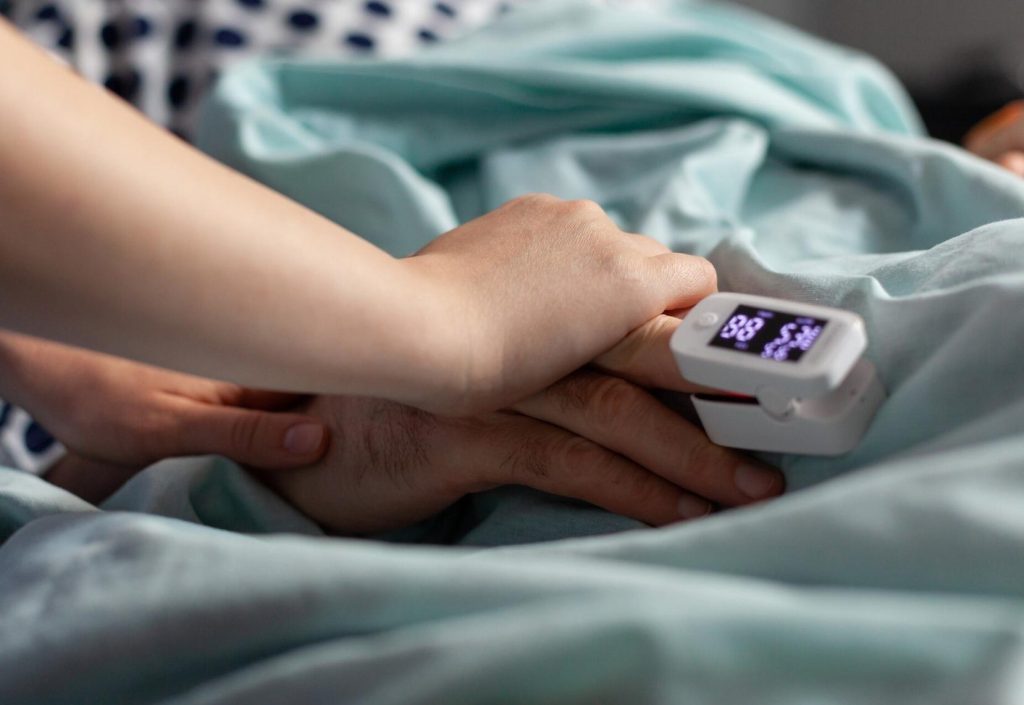
Decoding Regulatory Labels for Medical Grade Distinction
Many low cost devices sold online are explicitly labeled for sports or aviation use only, a clear warning that they are not intended for health assessment. Consumer safety reviews have repeatedly found that such non medical grade products produce erratic readings in lower oxygen ranges, precisely where clinical concern begins.
Cleared medical device status: Look for the explicit regulatory cleared over the counter medical device statement on packaging or product pages. This designation means the device has passed the 510(k) review process, proving substantial equivalence to a legally marketed predicate device. Without this mark, a pulse oximeter is legally barred from being sold for diagnostic or treatment guidance, and its readings carry no clinical weight.
Label wording traps: Avoid products that use vague phrases like spiritual use, fitness only, or sports and aviation. These disclaimers are not harmless marketing fluff; they legally exempt the manufacturer from accuracy requirements. In practice, such devices often use cheaper sensors and simplified algorithms, making them unreliable exactly when precise numbers matter most.
Verification shortcuts: Genuine regulatory cleared listings will include the 510(k) number or a clear reference to over the counter medical device classification. Checking this number on the manufacturer’s website or the regulator’s public database takes less than two minutes and filters out most counterfeits. This single step is more effective than reading through lengthy customer reviews.
Recognizing these regulatory badges separates a trustworthy home monitor from a toy. This first filter saves both money and potential health anxiety.
Balancing Algorithm Performance and Real World Interference
The core technology behind most consumer pulse oximeters is photoplethysmography, which measures light absorption through the fingertip. However, real world conditions often challenge this optical method far more than laboratory settings.
Motion tolerance and low perfusion handling: Good algorithms are designed to filter out noise from hand tremors, shivering during fever, or involuntary muscle twitches. Poorly designed devices will either display wildly fluctuating numbers or throw up error messages exactly when the user feels most unwell. A reliable pulse oximeter should maintain a steady reading even when the finger moves slightly, because sick individuals rarely hold perfectly still.
Impact of cold fingers and poor circulation: When hands are cold or blood flow to the periphery is reduced, the signal strength drops significantly. This condition, known as low perfusion, causes many cheap oximeters to fail. The device may show no reading or a falsely low number, prompting unnecessary panic. Quality models include a perfusion index indicator that tells the user whether the signal is strong enough for the displayed value to be trusted.
Interference from nail polish and ambient light: Dark nail polish, especially blue or black, absorbs light and can reduce accuracy by several points. Thick acrylic nails or dirty fingers also interfere. Strong sunlight or bright room lights shining directly on the sensor can saturate the photodetector and produce errors. These practical nuisances are rarely mentioned in product manuals but affect almost every household at some point.
Clinical reference values and waveform display: For healthy adults, normal oxygen saturation ranges from 95 to 100 percent. A sustained drop below 93 percent warrants medical attention, and any reading under 90 percent is considered an emergency indicator requiring immediate evaluation. Beyond the number, a pulse oximeter that shows a plethysmographic waveform, the small moving graph that resembles an arterial pulse, offers extra confidence. A regular, consistent waveform suggests the reading is reliable, while a flat or irregular wave signals poor contact or poor perfusion.
Choosing a device that handles these interferences well is far more important than chasing marginal improvements in laboratory accuracy. The best algorithm is the one that works when the user is sick, cold, and trembling.
Long Term Storage and Battery Maintenance
A pulse oximeter is an infrequently used device that sits in a drawer for months, only to be rushed into service during illness. The most common cause of failure at that critical moment is battery corrosion. Leaked acid ruins the metal contacts, and the device simply will not power on.
Simple storage rule: The only essential maintenance tip is to remove the batteries if the device will not be used for more than a few weeks. This single habit prevents the vast majority of long term failures. When storing, keep the unit in a dry place away from direct heat. If the device has an auto shutoff feature, it helps conserve battery charge during occasional use, but nothing replaces the simple act of taking the batteries out before putting it away.
Senior Friendly Design with Practical Ergonomics and Alerts
For older adults, reading a small screen and pressing tiny buttons can be frustrating. But two other design aspects are equally critical: the clamping force of the finger clip and the presence of an audible alarm for low readings.
Clamping force and skin sensitivity: Elderly skin is often thinner and more fragile, while arthritic fingers are painful to squeeze. A clip that is too tight can cause significant discomfort or even bruising during repeated checks. Conversely, a clip that is too loose allows ambient light to leak in, leading to inaccurate measurements. The ideal device has a moderate spring tension that holds the finger securely without causing pain, and the finger chamber should be shaped to accommodate smaller or larger adult fingers without excessive pressure.
Audible alarm for dangerous levels: A loud audible alarm that triggers when oxygen saturation drops below 90 percent is arguably more important than any display feature. For nighttime monitoring or when an elderly person lives alone, this alarm can alert the user or a nearby family member to a critical drop that might otherwise go unnoticed. Many devices also allow setting a custom threshold, such as 92 percent, for earlier warning. This feature adds a layer of safety that a simple screen cannot provide.
Large font and dual direction display: A bright OLED screen with oversized numerals, at least twice the size of standard calculator digits, ensures readability without reading glasses. The ability to flip the display 180 degrees with one button allows a caregiver sitting opposite to read the numbers without twisting the device. This bidirectional function is especially helpful during home visits from nurses or family members who need to check readings quickly.
Prioritizing these ergonomic and alert features makes the pulse oximeter truly usable for seniors, not just technically accurate in a lab.
Conclusion: Three Core Principles for a Reliable Home Oximeter
After reviewing regulatory labels, algorithm robustness, storage habits, and senior specific needs, three simple principles emerge. First, always choose a device with a clear medical device clearance, and never buy anything labelled for sports or aviation only. Second, select a model that displays the pulse waveform and a perfusion index, so the user can judge whether the reading is trustworthy, especially when hands are cold or trembling. Third, adopt the habit of removing batteries during long term storage to prevent corrosion from destroying the device when it is needed most.
These principles are grounded in everyday clinical realities rather than marketing claims. A home pulse oximeter does not need to be expensive or packed with gimmicks. It needs to work when the user is sick, to alert when oxygen drops dangerously low, and to survive months of idle time without failing. With these guidelines, any household can pick a practical, reliable monitor that truly helps in times of concern, without wasting money on misleading features or fake accuracy promises.