Daily routines of work, childcare, and household chores create emotional distance between partners and family members, leaving room for connection. Standard family vacations or couple getaways provide a break from pressures, but they may not resolve communication gaps or offer guidance for relational repair. Discover how to choose spiritual retreats by evaluating retreat formats, facilitator credentials, shared activity options, private reflection periods, and follow-up support, that experience rebuilds emotional connections and understanding.
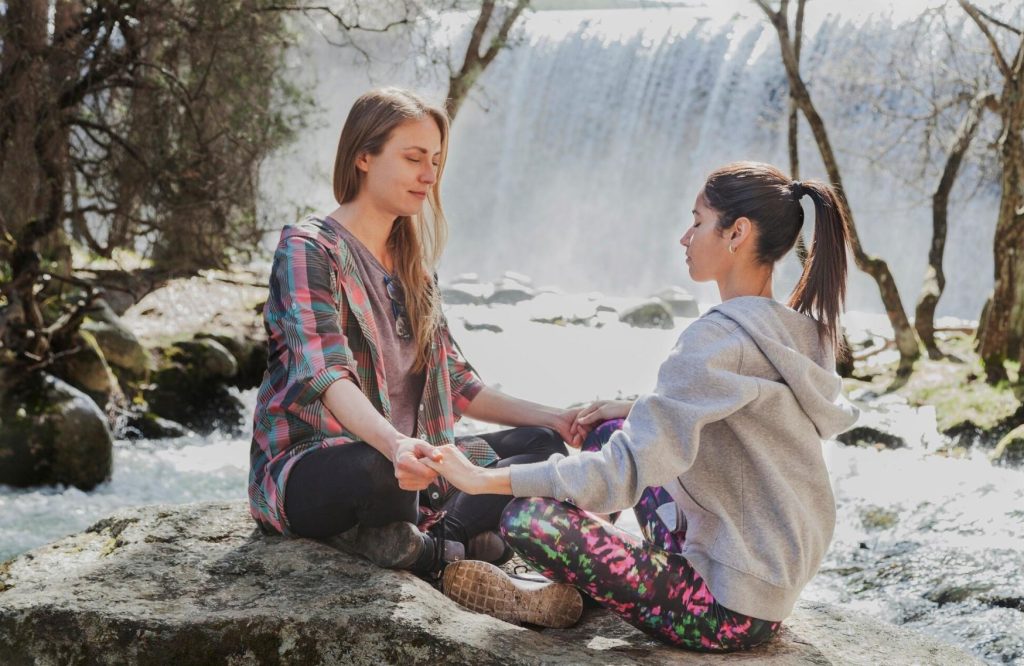
Recognizing Hidden Emotional Exhaustion in Close Relationships
Consider a typical evening: dinner finished, children in bed, two adults standing side by side at the kitchen sink. One mentions the dentist appointment tomorrow. The other recites the school drop-off schedule. They compare calendars, confirm logistics, and then fall silent. Not hostile silence, just empty silence. The kind that comes from weeks of speaking only about who does what and when. This is the quiet erosion that spiritual retreats are designed to address.
The loss of shared attention
Over time, this pattern of transactional communication rewires how partners see each other. They become efficient household managers rather than intimate companions. The shared laughter, the spontaneous conversations, the moments of just being together without purpose, all gradually disappear. A retreat does not fix what is broken; it simply clears enough space for what is still there to be noticed again.
The Emotional Distance Behind Everyday Logistics
Many couples and families do not realize they have drifted apart until a small disagreement escalates into a full argument. The reason is not that they have stopped caring. It is that they have stopped seeing each other as separate, evolving people. Instead, they see a set of functions: the one who handles bills, the one who manages the children’s schedules, the one who cooks dinner.
From household managers to intimate companions
This logistical relationship, what some therapists call a partnership of tasks rather than hearts, creates a slow and nearly invisible distance. The retreat interrupts this by removing the usual props: no deadlines, no children’s activities to coordinate, no grocery lists to maintain. In that stripped-down environment, the underlying connection has room to surface again.
The Retreat Experience: Awkwardness, Silence, and Unexpected Closeness
The first day of a couples or family retreat often feels uncomfortable. Participants sit in a circle, unsure what to say. The facilitator invites them into silent walking, and the initial reaction is almost always self-consciousness. Walking side by side without speaking feels unnatural. Every internal urge to fill the silence with small talk rises up.
Silent walking: from awkwardness to presence
But after about twenty minutes, something shifts. The mind stops searching for something to say and starts noticing. The rhythm of footsteps. The sound of birds. The awareness that the other person is there, walking at the same pace, sharing the same quiet space. This gradual transition from discomfort to presence is exactly what retreats are designed to facilitate.
Meditation and honest expression without blame
Meditation and nonviolent communication exercises follow a similar arc. The first attempt at sitting still brings up restlessness and mental chatter. The first attempt at expressing a feeling without blame feels clumsy and exposed. Over several sessions, however, participants discover that direct honesty, offered without accusation, rarely triggers defensiveness. The formula of stating observations, naming feelings, identifying needs, and making clear requests becomes a practical tool rather than an abstract concept.
The facilitator’s role and the breakthrough
Group facilitators guide these practices with patience, normalizing the awkwardness and celebrating small moments of breakthrough. By the second day, the initial resistance has softened. Participants begin to volunteer their experiences without prompting. They laugh at their own struggles with stillness. They describe the relief of not having to perform or entertain. The shared vulnerability creates a bond that is not forced but emerges naturally from the practice itself.
Balancing Solitary Reflection with Shared Time
A well-structured retreat respects the need for both personal space and family connection. Mornings are typically reserved for individual practice: journaling, solo meditation, or sitting quietly with tea. This personal time allows emotions to settle and insights to surface without external influence. When the group reconvenes in the afternoon, each person brings a calmer, more centered energy to the shared experience.
Autonomy and organic connection
The shared portion of the day might include guided group discussions, creative projects, or nature excursions designed for cooperation rather than competition. Flexible scheduling ensures that no one feels trapped in forced togetherness. This autonomy reduces resentment and allows organic connection to flourish.
Bringing the Practice Home: The Weekly Mindful Family Night
The real challenge begins after returning home. The first week back, the old patterns resurface quickly. The dinner dishes pile up. The school emails accumulate. The temptation to skip the weekly mindful family night is strong. Children, especially teenagers, may resist the idea of turning off their phones and sitting together without distraction.
Using the pause technique in real friction
Here is where the pause technique learned at the retreat becomes essential. When a child rolls their eyes or a partner sighs impatiently, the trained response is to notice the frustration, breathe once, and then speak from a calmer place rather than react defensively. The family night starts small: a shared meal with screens away, a brief check-in circle where each person shares one moment of gratitude and one frustration from the week, followed by a short breathing exercise.
Consistency over perfection
The ritual does not have to be perfect. Some weeks it lasts ten minutes. Other weeks it stretches to an hour. The key is consistency and the honest acknowledgment that it feels awkward sometimes. Over time, this weekly anchor shifts the household’s default communication style from reactive to reflective. Families who maintain this practice often notice a decrease in raised voices and defensive arguments within the first few months.
Conclusion: A Retreat Is a Beginning, Not an Ending
Spiritual retreats designed for couples and families provide more than a few days of peace. They offer a template for a different way of relating, one built on presence, patience, and genuine curiosity about each other. The structured practices of silent walking, meditation, and honest communication give participants concrete tools they can use long after the retreat ends.
The real work happens after returning home. The weekly mindful family night, the pause before reacting, and the habit of checking in with each other are what transform a retreat experience into lasting change. For families tired of speaking only about schedules and chores, a retreat offers a reminder of what it feels like to truly see each other. The investment is not in a vacation; it is in the relationship itself.