Lateral pull down exercises are widely used in fitness routines because they help strengthen the back, shoulders, and upper body through controlled resistance movements. This exercise is commonly included in strength training programs for people who want to improve posture, muscle balance, and overall pulling ability. Understanding proper form, equipment settings, grip choices, and training techniques can help individuals perform lateral pull down movements more effectively while reducing unnecessary strain during workouts.
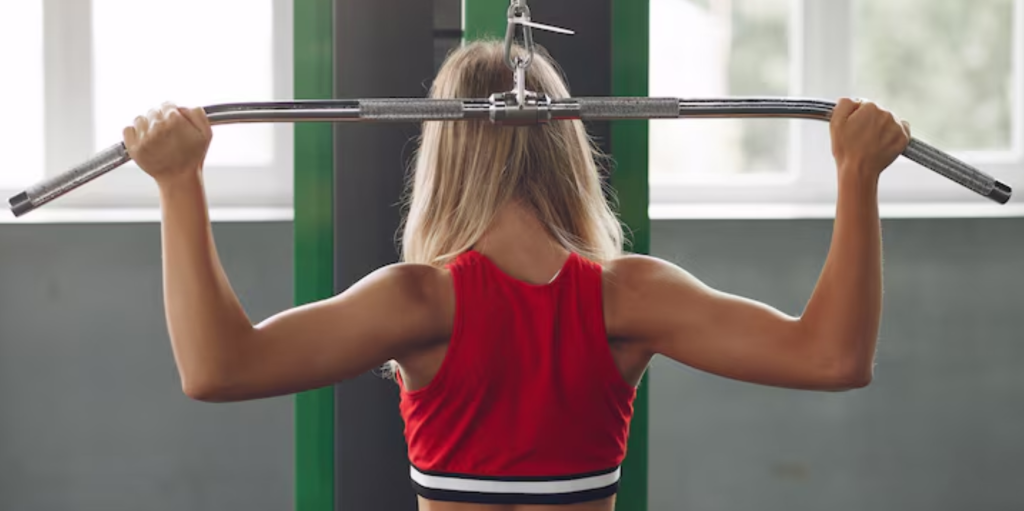
Understanding The Purpose Behind Lateral Pull Down Exercises
The lateral pull down is more than a simple gym movement—it is a foundational exercise for developing upper body strength.
The main purpose is to train pulling muscles that play an important role in:
- Back Development: Strengthening muscles across the upper and middle back.
- Posture Support: Helping improve muscular balance around the shoulders.
- Pulling Strength: Building the foundation for other exercises that require upper body control.
- Movement Stability: Improving coordination between different muscle groups.
Because of its accessibility, the exercise is commonly used by beginners and advanced lifters.
The Muscles Worked During A Lateral Pull Down
A properly performed lateral pull down activates several areas of the upper body.
Primary muscles involved include:
- Latissimus dorsi
- Upper back muscles
- Rear shoulder muscles
- Biceps
- Forearm muscles
Although the lats receive the most attention, the movement requires cooperation between multiple muscle groups.
This makes it an efficient exercise for overall upper body development.
Why Technique Matters More Than Weight
Many people focus on increasing resistance quickly, but proper movement quality is usually more important.
A controlled lateral pull down should involve:
- Stable body positioning
- Smooth pulling motion
- Full muscle engagement
- Controlled return movement
Using excessive weight may cause people to rely on momentum instead of the targeted muscles.
Better technique often leads to more effective training results.
Different Grip Options And Their Effects
One reason lateral pull down exercises remain popular is the variety of ways they can be performed.
Different grips may emphasize different movement patterns.
Common options include:
- Wide Grip: Often used to create a broader pulling motion.
- Close Grip: Allows a stronger focus on controlled pulling mechanics.
- Neutral Grip: Provides a more natural hand position for some users.
The best grip depends on comfort, training goals, and individual body mechanics.
Building A Better Workout Routine With Pulling Exercises
Lateral pull downs are usually included as part of a larger strength program.
They can be combined with exercises such as:
- Rows
- Pull-ups
- Deadlift variations
- Shoulder training movements
A balanced routine helps develop both pushing and pulling strength.
Including different movement patterns can create more complete upper body development.
Common Mistakes During Lateral Pull Down Training
Even simple exercises can become less effective when performed incorrectly.
Common mistakes include:
- Pulling the bar too quickly
- Leaning backward excessively
- Using too much weight
- Moving only the arms instead of engaging the back
Small technique adjustments can significantly improve exercise quality.
How Beginners Can Improve Their Progress
For people new to strength training, consistency is often more important than intensity.
Beginners can improve by:
- Starting with manageable resistance
- Learning proper movement patterns
- Increasing weight gradually
- Tracking workout progress
Building a strong foundation helps prevent poor habits from developing.
The Role Of Lateral Pull Down In Muscle Development
Strength training results come from combining effective exercises with proper recovery and nutrition.
The lateral pull down can contribute to:
- Improved upper body strength
- Better muscle coordination
- Increased training variety
- More balanced physique development
While one exercise does not create complete transformation alone, it can become a valuable part of a structured program.
Adjusting The Exercise For Different Goals
Different fitness goals may require different approaches.
For muscle growth, users may focus on:
- Controlled repetitions
- Appropriate resistance
- Consistent training volume
For general fitness, the focus may be:
- Comfortable movement
- Regular activity
- Long-term consistency
Adjusting training style allows the exercise to fit different needs.
Equipment Choices And Gym Setup Considerations
Lateral pull downs are usually performed on cable machines, but equipment quality can influence the experience.
Important factors include:
- Smooth cable movement
- Comfortable handles
- Adjustable seating positions
- Proper machine setup
A suitable setup helps users perform the movement safely and effectively.
Creating Long-Term Strength Progress
Improvement in strength training comes from gradual progress over time.
Successful training usually involves:
- Consistent workouts
- Proper technique
- Realistic goals
- Regular adjustments
The lateral pull down remains valuable because it supports steady improvement across different fitness levels.
Conclusion: Improving Strength Through Effective Lateral Pull Down Training
Lateral pull down exercises provide an effective way to develop back strength, improve upper body control, and support balanced fitness goals. By focusing on proper technique, suitable resistance, and consistent practice, individuals can gain more benefits from each workout session. Whether used by beginners building strength or experienced athletes refining their routines, the lateral pull down remains a useful movement for long-term fitness progress.