A climber drives to the nearest gym based on map distance, only to discover that the facility lacks top-rope anchors and closes on weekends, ruining the session. Standard location searches can list addresses and opening hours, but they fail to distinguish between bouldering-only spaces and full-service rope walls, or account for parking and travel time. Learn how to evaluate rock climbing options by comparing wall offerings, evening schedules, and parking convenience—ensuring every session matches your training goals without wasted commutes.
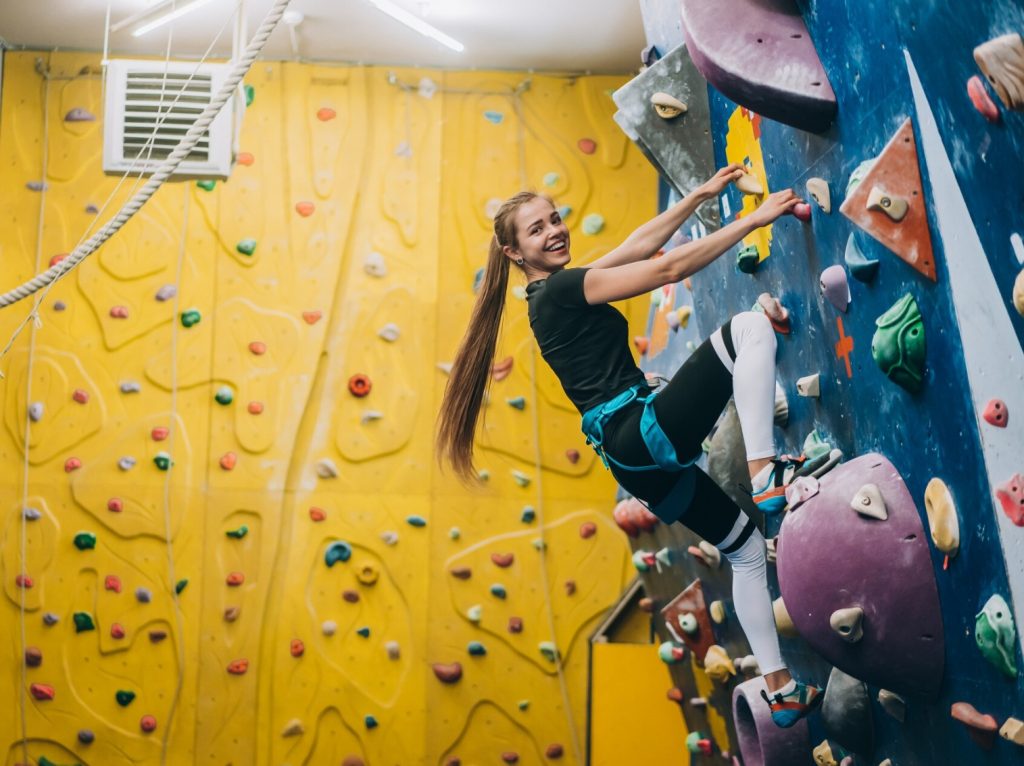
Bouldering vs. Rope Climbing: Two Different Sports Under One Roof
Not all climbing gyms serve the same purpose. Some focus exclusively on bouldering, while others offer top-rope and lead climbing alongside a bouldering area. Choosing the wrong type for personal goals leads to wasted time and money, regardless of how close the facility is.
The bouldering advantage
Bouldering requires no partner, no harness, and no belay device. A climber walks in, rents shoes, and starts climbing within minutes. The advantage is high-intensity output with low time commitment—no belay test, no rope setup, just pure movement. For busy professionals looking to squeeze in an hour of exercise without coordination, a bouldering-only gym is often the smarter choice.
What makes a good bouldering gym
The quality of a bouldering gym is measured by two things: route-setting frequency and training facilities. A top-tier bouldering gym resets at least one to two walls per week, keeping problems fresh and challenging. It also offers system boards like the Kilter Board, MoonBoard, or Tension Board—adjustable training tools that allow climbers to practice specific movement patterns at varying difficulty levels. These boards are essential for structured training beyond casual climbing.
The rope climbing commitment
Top-rope and lead climbing require a partner to belay, plus a belay certification test administered by the gym. Rope climbing offers longer routes, endurance training, and the satisfaction of reaching the top of a tall wall. A quality rope gym features walls of 15 meters or more and a dedicated lead climbing terrain. For climbers who want to train for outdoor climbing, a gym with tall walls and lead routes is non-negotiable.
The hybrid compromise
Many full-service gyms offer both options, allowing climbers to boulder solo on busy days and rope up with a partner on weekends. This flexibility comes at a higher membership cost, but for those who want both experiences, it is worth the premium.
The Rush Hour Reality: Timing Matters
From 5:00 PM to 8:00 PM on weekdays, popular climbing gyms fill to capacity, with climbers waiting five to ten minutes for a single attempt on a popular problem. This queue kills momentum and reduces effective climbing time. Shifting training to morning or midday hours can double the effective climbing time per session.
Real-time crowd tracking
Many gyms now offer live capacity trackers on their websites or mobile apps, showing current occupancy in real time. A quick check before leaving the house prevents wasted trips to an overcrowded gym.
The Partner and Certification System
Rope climbing requires a partner, but finding one is only half the battle. Both climbers must pass a belay certification test before they are allowed to handle the rope.
The belay certification requirement
Every reputable rope gym requires climbers to pass a top-rope or lead belay test before they can belay others. The test typically involves demonstrating proper rope handling, brake technique, and fall-catching ability. Upon passing, climbers receive a belay tag that must be visibly displayed while climbing. This system ensures that everyone on the wall has at least a baseline level of competence, reducing the risk of accidents caused by inexperience.
Partner finding in practice
Rather than relying on a physical bulletin board, modern gyms facilitate partner matching through official events like Belay Partner Nights or in-app community groups. These structured settings are far more effective than leaving notes on a corkboard, because they attract climbers who are actively looking to connect. A gym that invests in community-building around partner matching creates a safer and more welcoming environment.
The auto-belay fallback
Some gyms offer auto-belay devices that allow solo climbers to rope up without a partner. These machines hold the rope tension and lower the climber gently after a fall or descent. However, auto-belays typically cap out around 5.10 to 5.11 in difficulty, which limits their usefulness for advanced climbers. For those looking to push into harder grades, lead climbing with a human belayer remains the only option.
Facility Standards: Air Quality and Safety Flooring
Beyond climbing walls and route quality, the physical environment of a gym directly affects comfort and safety. Two often-overlooked factors are air quality and crash pad construction.
Chalk dust and ventilation
Climbing gyms generate significant amounts of airborne chalk dust from climbing holds and hands. Without proper industrial-grade air filtration and ventilation, the air becomes thick with fine particles that irritate the throat and lungs. In a poorly ventilated gym, discomfort sets in within thirty minutes. A well-run gym invests in robust filtration systems that keep the air breathable even during peak hours.
Crash pad safety
Bouldering falls happen constantly, and the landing surface determines injury risk. Quality gyms use seamless, high-density matting that covers the entire fall zone without gaps. Poorly joined mats create dangerous seams where feet can catch, leading to twisted ankles. The thickness and density of the padding also matters; it should absorb falls from the top of the wall without bottoming out. Before committing to a gym, take a moment to inspect the matting. Any visible gaps or soft spots are red flags.
Conclusion: A Systematic Approach to Finding Your Gym
Finding the right rock climbing gym requires more than a simple map search. The ideal gym matches the preferred climbing style, fits the available schedule, and provides the right training tools and safety standards.
Quick Climbing Gym Checklist
- Route setting: Does the bouldering area reset at least 1-2 walls per week? Are there system boards like Kilter Board or MoonBoard?
- Rope system: Are auto-belays available and sufficient? Is the belay certification test thorough and enforced?
- Air quality: Does the gym feel chalky and hard to breathe during peak hours? Is there visible dust filtration?
- Safety matting: Are the crash pads seamless with no gaps? Is the padding thick enough for highball falls?