Losing weight doesn’t have to mean eating plain chicken and broccoli every day or cutting out entire food groups. The truth is, sustainable weight loss comes from eating healthy meals that you actually enjoy. A good meal plan for weight loss works with your lifestyle, not against it. And a balanced diet for weight loss gives you the flexibility to eat real food while still seeing progress. A proper diet to lose weight isn’t about perfection—it’s about consistency, portion awareness, and making better choices most of the time. This guide breaks down how to build meals that support your goals, what to look for in a weight loss plan, and how to eat well without feeling deprived.
Why Most Diets Fail (And What Works Instead)
Many people start a diet with excitement, only to quit a few weeks later. The problem isn’t willpower. It’s the approach.
- Overly restrictive plans cut out too many foods, leading to cravings and eventual binges.
- Extreme calorie cutting leaves you tired, hungry, and unable to stick with it.
- Complicated rules make everyday eating feel like a math problem.
- “All or nothing” thinking turns one small slip into a full week of off-track eating.
What actually works is a balanced diet for weight loss that includes foods you like, fits into your real life, and doesn’t require perfection. Healthy meals that keep you full and satisfied are far more effective than any short-term crash diet.
What a Proper Diet to Lose Weight Actually Looks Like
A proper diet to lose weight isn’t a temporary fix. It’s a way of eating that supports a healthy body weight while still providing the nutrients you need.
| Key Feature | What It Means for You |
|---|---|
| No food is off limits | You can eat anything in reasonable portions, which prevents bingeing |
| Protein with every meal | Keeps you full longer and preserves muscle while losing fat |
| Plenty of vegetables | Adds volume and fiber without many calories |
| Smart carbohydrates | Whole grains, fruits, and legumes provide steady energy |
| Healthy fats in moderation | Supports hormone function and makes food taste good |
| Consistency over perfection | One “bad” meal doesn’t ruin your progress |
Protein Matters More Than You Think
When you lose weight, you want to lose fat—not muscle. Eating enough protein helps protect your muscle mass while your body burns stored fat for energy. Aim for a source of protein at every meal: eggs, Greek yogurt, chicken, fish, tofu, beans, or lean beef.
Fiber Keeps You Full
Fiber slows down digestion and helps you feel satisfied with fewer calories. Vegetables, fruits, beans, and whole grains are excellent sources. A meal plan for weight loss that includes plenty of fiber naturally reduces hunger between meals.
How to Build Healthy Meals for Weight Loss
You don’t need fancy recipes or expensive ingredients. A simple formula works every time.
The Balanced Plate Method
Fill your plate using this easy guide:
- Half the plate: Non-starchy vegetables (broccoli, spinach, peppers, zucchini, cauliflower)
- One quarter of the plate: Lean protein (chicken, fish, tofu, eggs, beans)
- One quarter of the plate: Complex carbohydrates (brown rice, quinoa, sweet potato, whole grain bread)
- Add a small amount of healthy fat: Olive oil, avocado, nuts, or seeds
This balanced diet for weight loss automatically controls portions without counting every calorie.
Sample Healthy Meals for a Day
Breakfast: Greek yogurt with berries and a sprinkle of nuts
Lunch: Large salad with grilled chicken, mixed vegetables, chickpeas, and light vinaigrette
Dinner: Baked salmon with roasted broccoli and a small sweet potato
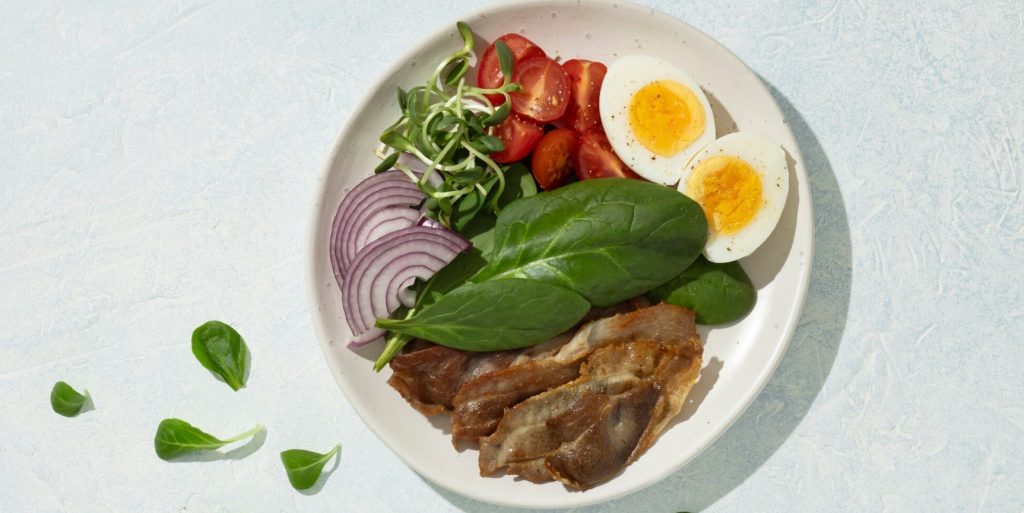
Snack: Apple with peanut butter or a hard-boiled egg
These are healthy meals that keep you full, provide steady energy, and support weight loss without feeling like a diet.
Creating a Meal Plan for Weight Loss That Actually Works
A good meal plan for weight loss isn’t rigid. It gives you structure while leaving room for real life.
Start With What You Already Eat
Don’t throw out everything and start over. Look at your current eating habits and find small upgrades.
- Add a vegetable to lunch and dinner instead of trying to change everything at once.
- Swap one processed snack for fruit or yogurt each day.
- Drink water before meals to help with portion control.
- Cook an extra portion at dinner to pack for lunch the next day.
Small changes add up faster than dramatic overhauls.
Plan Ahead Without Overcomplicating
You don’t need to meal prep every single bite of food for the week. A simple approach works better for most people.
- Choose 3 or 4 dinners to make at home each week.
- Use leftovers for lunch the next day.
- Keep easy healthy meals on hand: frozen vegetables, canned beans, pre-cooked grains, rotisserie chicken.
- Leave room for flexibility—dinner with friends or takeout once a week won’t derail you.
Common Questions About Meal Planning
| Question | Answer |
|---|---|
| How many calories should I eat? | It varies, but most women do well with 1400–1800 and men 1800–2200 for steady weight loss |
| Do I need to count everything? | No. Portion awareness works just as well for most people |
| What if I eat out? | Look for grilled instead of fried, sauces on the side, and stop when you’re comfortably full |
| Can I have dessert? | Yes. A small treat several times a week fits into a proper diet to lose weight |
Balanced Diet for Weight Loss: What to Eat More Of (And What to Eat Less Of)
Instead of focusing on what you “can’t” have, focus on what you can add.
Eat More of These
- Vegetables of all kinds — especially leafy greens and colorful options
- Lean proteins — chicken, turkey, fish, eggs, tofu, legumes
- Whole fruits — berries, apples, oranges, pears
- Whole grains — oats, quinoa, brown rice, whole wheat bread
- Beans and lentils — filling, affordable, and full of fiber
- Water and unsweetened tea — stay hydrated without extra calories
Eat Less of These (But Don’t Ban Them)
- Sugar-sweetened drinks — soda, sweet tea, fancy coffee drinks
- Highly processed snacks — chips, cookies, packaged pastries
- Fried foods — they’re high in calories and low in nutrients
- Refined grains — white bread, white rice, regular pasta (swap for whole grain versions)
A balanced diet for weight loss doesn’t require giving up your favorite foods forever. It just means eating them less often and in smaller portions.
How to Stay on Track With a Proper Diet to Lose Weight
Long-term success comes from habits, not motivation. Motivation fades. Habits stick.
Set Up Your Environment for Success
- Keep healthy meals easy — wash and cut vegetables when you bring them home
- Put fruit in plain sight — on the counter, not hidden in the fridge
- Use smaller plates — helps with portion control without thinking about it
- Don’t keep trigger foods at home — if it’s not there, you won’t snack on it
Handle Setbacks Without Quitting
Everyone has days when they eat more than planned. That’s normal. A proper diet to lose weight doesn’t require perfection.
- One high-calorie meal won’t ruin your progress. Just get back on track at the next meal.
- Don’t restrict extra the next day to “make up for it.” That leads to a cycle of overeating and under-eating.
- Learn from what happened — were you overly hungry? Stressed? Tired? Adjust next time.
Signs You’re On the Right Track
- You’re losing about 1 to 2 pounds per week (steady, sustainable rate)
- You have steady energy throughout the day
- You’re not constantly thinking about food
- You can enjoy social meals without stress
- Your clothes fit better, even if the scale moves slowly
Conclusion: Healthy Meals and a Balanced Diet Work Better Than Any Quick Fix
The best weight loss plan is one you can stick with for months and years—not days. Healthy meals that keep you full and satisfied, a meal plan for weight loss that fits your real schedule, and a balanced diet for weight loss that includes foods you love are what actually work. A proper diet to lose weight isn’t about suffering or perfection. It’s about eating well most of the time, enjoying treats sometimes, and building habits that last. Start small, be consistent, and give yourself grace along the way. That’s how real change happens.