Stability balls have become essential equipment for home workouts, gym training, rehabilitation, and daily fitness. Each type serves a slightly different purpose, but all help build strength, stability, and posture. From the versatile exercise ball to the targeted core ball, the balance-focused bosu ball, and the stretch-friendly yoga ball, these tools adapt to all fitness levels. This guide explains their benefits, uses, and practical tips to help you choose and use the right ball for your fitness goals.
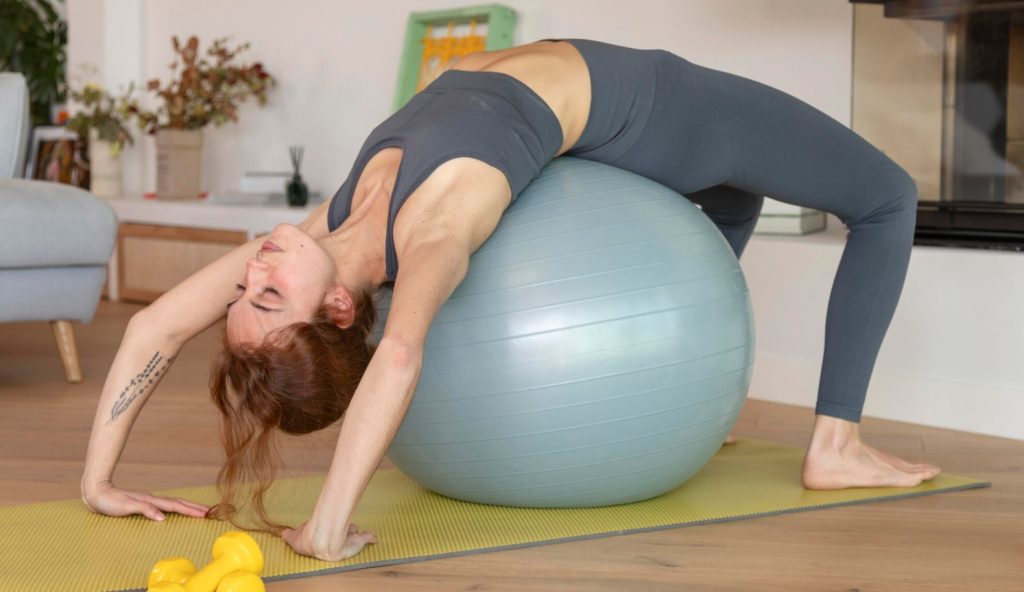
Why Stability Balls Are Essential for Modern Fitness
- Full-body engagement: Stability balls activate more muscles than traditional exercises, leading to better overall strength.
- Improved core strength: Every movement forces your midsection to stabilize, making them ideal for toning and control.
- Better balance and coordination: Regular use trains your body to maintain control in unstable positions.
- Enhanced flexibility and posture: Great for stretching, opening the hips, and correcting sitting or standing posture.
- Low-impact and safe: Suitable for beginners, older adults, and those in post-injury rehabilitation.
Exercise Ball: Versatile Tool for All-Around Fitness
Exercise ball is the most widely used stability tool, designed for dynamic movements and full-body workouts.
- Supports strength training: Used for push-ups, planks, squats, and glute bridges to increase difficulty.
- Ergonomic seating: Improves posture when used as an alternative chair at home or the office.
- Suitable for all fitness levels: Easy to start with and can be made more challenging over time.
- Durable and anti-burst design: High-quality models support body weight safely during workouts.
- Great for rehabilitation: Used by physical therapists to restore mobility and strength gently.
Core Ball: Specialized Design for Abdominal and Midsection Training
Core ball is built specifically to target abdominal muscles, lower back, and overall core stability.
- Focused core activation: Every exercise emphasizes deep muscle engagement in the torso.
- Compact and easy to handle: Smaller in many cases, making it perfect for targeted abdominal work.
- Ideal for home workouts: Requires minimal space and delivers maximum core results.
- Supports posture improvement: Strengthens weak lower back muscles to reduce discomfort.
- Pairs well with other equipment: Combines with resistance bands, dumbbells, and mats for complete routines.
Bosu Ball: Unique Balance Trainer for Stability and Power
Bosu ball features a flat side and a rounded side, making it one of the most versatile balance tools available.
- Dual-sided training: Switch sides to modify difficulty for balance, strength, or cardio exercises.
- Boosts athletic performance: Improves agility, reaction time, and stability for sports and daily movement.
- Safe for functional fitness: Mimics real-life movements to strengthen muscles used in daily activities.
- Suitable for high-intensity workouts: Supports burpees, lunges, and jumps in a controlled way.
- Great for group fitness: Commonly used in gym classes for balance and cardio challenges.
Yoga Ball: Gentle Support for Stretching, Mobility and Yoga Practice
Yoga ball provides gentle support for yoga flows, stretching routines, and relaxation exercises.
- Assists with deep stretching: Helps users reach deeper poses safely without strain.
- Supports yoga beginners: Offers stability for balancing poses and body alignment.
- Promotes relaxation and recovery: Used in restorative yoga to release tension in the back and hips.
- Improves spinal mobility: Helps lengthen the spine and reduce tightness after long sitting.
- Soft and comfortable design: Made with materials that feel gentle during slow, controlled movements.
How to Choose the Right Ball for Your Fitness Routine
Selecting the right ball ensures safety, comfort, and progress toward your goals.
- Consider your main goal: Choose exercise ball for general workouts, core ball for abs, bosu ball for balance, and yoga ball for stretching.
- Check size guidelines: Use height and weight recommendations to pick the proper diameter.
- Prioritize anti-burst material: Ensures safety during dynamic movements and weight support.
- Assess space and storage: Pick a size that fits your home gym or workout area.
- Match your fitness level: Beginners benefit from more stability, while advanced users can use higher-challenge options.
Safe and Effective Workout Tips for Stability Balls
Using these tools correctly improves results and reduces the risk of injury.
- Inflate properly: Follow instructions to avoid overinflating or underinflating.
- Start slow: Master basic positions before trying advanced exercises.
- Engage your core at all times: This protects your back and increases effectiveness.
- Use a non-slip surface: Prevents sliding during balance exercises.
- Stop if you feel pain: Discomfort in the lower back means form needs adjustment.
Who Benefits Most from Exercise Ball, Core Ball, Bosu Ball and Yoga Ball
- Home workout enthusiasts: Need affordable, space-saving equipment for full-body training.
- Fitness beginners: Benefit from gentle, low-impact tools to build confidence.
- Core and balance seekers: Want targeted training for abs, back, and stability.
- Yoga and mobility practitioners: Use yoga ball to deepen stretches and improve alignment.
- People with back discomfort: Strengthen core muscles to support spinal health.
Conclusion: Elevate Your Fitness with the Right Stability Ball
Stability balls are simple yet powerful tools that transform any workout. Whether you use exercise ball for general training, core ball for abdominal strength, bosu ball for balance, or yoga ball for flexibility, each tool supports a healthier, stronger body.
By choosing the right ball and using it consistently, you can improve posture, build a stronger core, increase flexibility, and enjoy safer, more effective workouts. Adding one or more of these balls to your routine is an easy way to achieve long-term fitness success.