A strong core is the unsung hero of every movement—from lifting a grocery bag and climbing stairs to nailing a yoga pose or powering through a run. It’s far more than a defined midsection; it’s the central stabilizer that connects your upper and lower body, supports your spine, and keeps you balanced in every task. Core exercises, when crafted into purposeful core workouts, transform this critical muscle group from passive support to an active engine for strength. Unlike random crunches that only target surface muscles, effective core strengthening exercises engage the full core complex—abs, obliques, lower back, hips, and pelvic floor—creating a foundation that elevates every workout and simplifies daily life. Whether you’re a fitness beginner, a gym regular, or an athlete refining performance, the best core exercises are accessible, adaptable, and designed to challenge you without strain. Core workouts don’t need to be long or complicated—they just need to be intentional.
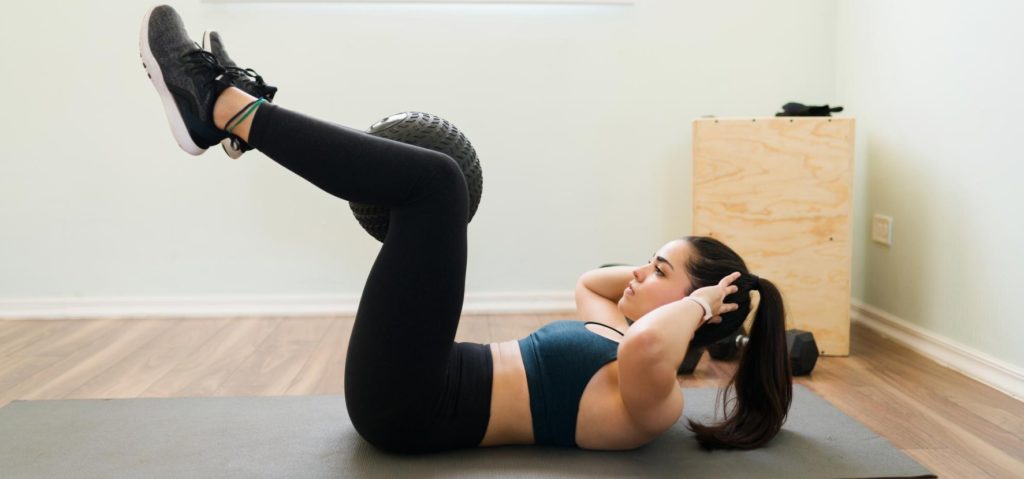
Core Strengthening Exercises: The Backbone of Functional Fitness
Core strengthening exercises are the building blocks of a resilient body, and they’re not just for fitness enthusiasts. Every age, skill level, and lifestyle benefits from a strong core, as it reduces injury risk, improves posture, and makes everyday movements feel easier. Unlike isolated core exercises that focus on one muscle group, core strengthening exercises prioritize full-core engagement, training your body to stabilize and support itself in real-world scenarios.
Why Core Strengthening Exercises Are Non-Negotiable
The value of core strengthening exercises extends far beyond the midsection:
- Spinal Health & Posture: Strong core muscles hold your spine in its natural alignment, reducing slouching at desks or hunching over phones. They alleviate lower back pain—a common woe for those with weak cores—by distributing pressure evenly and supporting the lumbar region.
- Functional Movement Mastery: From carrying kids and gardening to lifting weights and playing sports, every action relies on core stability. Core strengthening exercises teach your body to engage these muscles first, making daily tasks and workouts more efficient and safe.
- Injury Prevention: A strong core acts as a natural shock absorber, protecting joints and muscles during movement. It stabilizes your body during lifts, jumps, and twists, lowering the risk of strains, sprains, and overuse injuries.
- Full-Body Strength Amplification: Your core is the base for every exercise. A solid core lets you lift heavier, hold poses longer, and push harder in cardio sessions—because your body has a stable center to work from. Core strengthening exercises don’t just build core strength; they boost your entire body’s potential.
Core Workouts: Structure That Delivers Results
Core workouts thrive on structure, not chaos. The best sessions balance different types of core exercises to target all areas of the core: isometric holds (like planks) for stability, dynamic movements (like Russian twists) for rotational strength, and anti-rotation exercises (like Pallof presses) for functional power. They adapt to your skill level, ensuring you progress without burnout or injury.
Crafting Core Workouts for Every Level
Whether you’re just starting or looking to level up, these core workouts prioritize form and progression:
- Beginner Core Workouts: Focus on low-intensity, high-form core exercises that teach proper engagement. Try wall planks (gentler on wrists), bird-dogs (for lower back stability), dead bugs (targeting deep core muscles), and seated marches. Keep sessions 10–15 minutes, with 2–3 sets of 8–12 reps for dynamic moves and 20–30 second holds for isometrics. Rest 30 seconds between sets and focus on breathing—exhale during the ”hard part” of the movement.
- Intermediate Core Workouts: Add intensity with standard planks, side planks, glute bridges (with a core squeeze), Russian twists (with a light weight), and slow mountain climbers. Extend holds to 45–60 seconds, increase reps to 12–15, and add a brief pause at the peak of each movement to build tension. Sessions can be 15–20 minutes, and you can weave core strengthening exercises into full-body workouts (e.g., a plank set after squats).
- Advanced Core Workouts: Challenge yourself with plank shoulder taps, side plank dips, hanging leg raises, Pallof presses (with resistance bands), hollow body holds, and woodchoppers. Do 3–4 sets of 15–20 reps or 60–90 second holds, and reduce rest to 15 seconds to build endurance. Add supersets (two core exercises back-to-back) for an extra push.
No matter your level, end core workouts with a gentle cool-down: child’s pose for the lower back, cat-cow stretches for the spine, and slow torso twists to release tension.
The Best Core Exercises: Timeless Moves for Every Fitness Journey
With endless core exercises to choose from, the best core exercises are the ones that stand the test of time—functional, adaptable, and effective for all levels. They target the full core complex, require minimal equipment, and deliver results when done consistently.
Must-Include Best Core Exercises
- Plank: The ultimate isometric core exercise. Start in a high push-up or elbow position, engage your core and glutes, and keep your body in a straight line from head to heels. Modify with knees or a wall for beginners; advance with shoulder taps or leg lifts.
- Dead Bug: A low-impact gem for deep core engagement. Lie on your back, knees bent 90 degrees, arms extended toward the ceiling. Slowly lower one arm behind your head and the opposite leg toward the floor (keep both off the ground), then switch sides. Perfect for beginners and anyone with lower back concerns.
- Bird-Dog: Balances core and lower back strength. On hands and knees (tabletop position), extend one arm forward and the opposite leg back, keeping your body straight and core tight. Switch sides slowly. Avoid twisting hips or sagging lower back.
- Side Plank: Targets obliques and lateral core strength. Lie on one side, elbow under your shoulder, legs straight or bent. Lift your hips off the floor, engage your obliques, and hold. Modify by dropping your bottom knee; advance with dips or leg lifts.
- Pallof Press: Builds anti-rotation strength (critical for daily movement). Stand facing a resistance band or cable, hold the handle at chest height. Push the handle forward, resisting the pull to twist, then slowly pull back. Keep hips and shoulders square.
- Hollow Body Hold: Intensifies core endurance. Lie on your back, legs straight, arms extended overhead. Engage your core, lift your shoulders and legs off the floor (forming a ”hollow” shape), and hold. Modify by bending knees; advance with leg lifts.
These core exercises work alone or combined into powerful core workouts, adapting to your goals and skill level.
Pro Tips to Elevate Your Core Workouts
Core exercises and core workouts are simple, but small tweaks can turn good sessions into great ones:
- Engage First, Move Second: Before starting any core strengthening exercise, take a deep breath, pull your belly button toward your spine, and squeeze your core. This engages the transverse abdominis—the deep muscle that’s key to true stability. Make this a habit in workouts and daily life.
- Form Trumps Everything: A 30-second plank with perfect form beats a 2-minute sloppy one. Poor form leads to injury (especially in the lower back or neck) and wastes effort—if your core isn’t fully engaged, you’re not building real strength.
- Breathe Steadily: Holding your breath during core exercises reduces stability and increases strain. Exhale during the most challenging part of the movement (e.g., lifting a leg in dead bug, pushing the band in Pallof press) and inhale to release.
- Integrate Core Work Into Every Workout: Don’t save core exercises for the end when you’re tired. Add small sets throughout your routine—planks after squats, bird-dogs after back workouts—to keep your core engaged and build functional strength.
- Skip Endless Crunches: Crunches only target surface abs and can strain your lower back. Swap them for the best core exercises listed above, which engage the full core and build strength that translates to real life.
- Progress Slowly: Master beginner core exercises before jumping to advanced moves. Rushing leads to injury; slow, steady progression builds a core that’s strong, stable, and sustainable.
Conclusion: Build a Core That Serves You Every Day
Core exercises, when woven into intentional core workouts, are the foundation of a strong, capable body. Core strengthening exercises aren’t about achieving a ”six-pack”—they’re about moving with ease, reducing pain, and gaining confidence in every task. The best core exercises adapt to your journey, growing with you from beginner to advanced, and proving that core strength is for everyone.
Whether you’re squeezing in a 10-minute core workout at home, adding core exercises to your gym routine, or focusing on core strengthening exercises to ease daily movements, the investment pays off. A strong core doesn’t just look good—it lets you live better, moving through life with stability, strength, and resilience.
So lace up your shoes, grab a mat, and start with one core exercise today. Your body will thank you—with better posture, less pain, and the freedom to move without limits.