Weekend outings focus on finding feathers, yet the real benefit of bird watching extends beyond pleasure—offering scientific curiosity, ecosystem literacy, and affordable nature trips. Common perceptions reduce birding to observation, but deliberate trips with guides and notebooks cultivate patient attention, seasonal awareness, and respectful wildlife interaction. Local checklists, migration timetables, and trail maps turn family walk into a shared learning experience that enriches knowledge and strengthens intergenerational bonds.
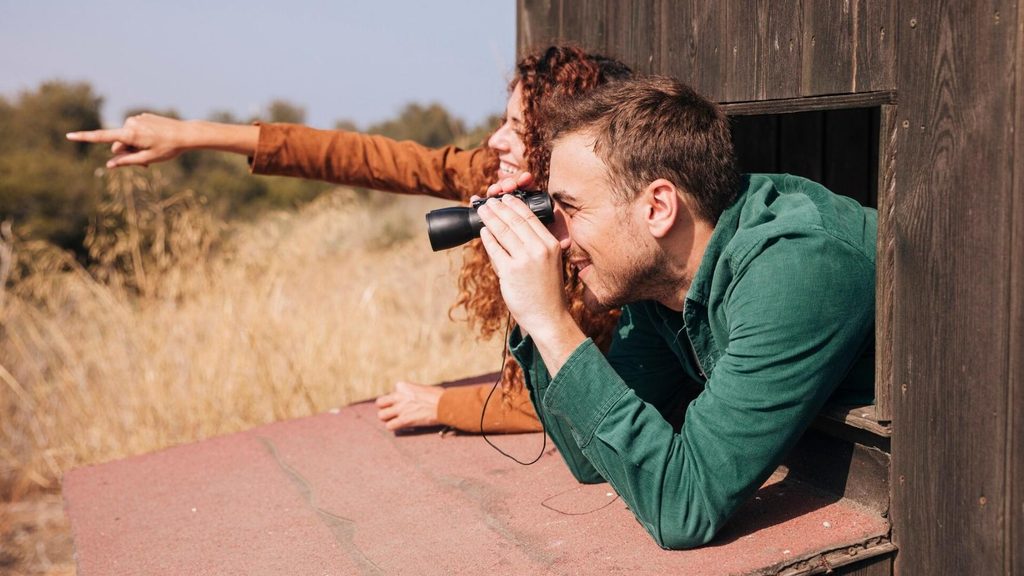
Citizen Science in Action: Backyard Bird Counts for All Ages
Lightweight Gear for Young Observers
Children need equipment that matches their size and attention span. Compact 8×32 wide field binoculars offer a bright image without heavy weight, and their rubber armor withstands drops on rocky trails. A voice recognition bird song app, running on a basic smartphone, identifies calls in real time, so kids can match what they hear to what they see. This duo removes frustration and keeps the activity playful. Parents should let each child adjust focus and practice on stationary objects like feeders before heading into the field, building confidence and fine motor skills. Choosing gear together also becomes a pre trip ritual that builds anticipation.
Inquiry Based Learning Loop
The Inquiry Based Science Education method drives engagement through questions. Instead of simply naming birds, ask: Why does that warbler hover near water? What does its beak shape tell about its diet? Children record field notes with sketches and time stamps, then upload observations to a shared community database. This process teaches hypothesis formation and evidence collection. Over a long weekend, a family might document dozens of species, and each submission adds to a growing map that scientists use to track migration shifts. The thrill of contributing to real knowledge keeps young minds focused far longer than a typical nature walk, and the habit of asking why turns every sighting into a small detective story.
Habitats and Food Webs: Understanding Birds as Environmental Barometers
Wetland Wonders and Waterfowl
Marshes and ponds attract wading birds, ducks, and shorebirds that depend on specific water levels and prey. A naturalist explains how the presence of certain herons indicates a balanced fish population, while the absence of others may warn of pollution. Families can use a simple dip net to examine aquatic insects, then connect those tiny creatures to the birds that eat them. This hands on demonstration makes the food chain tangible. Children learn that protecting wetlands means protecting the entire web, and they leave with a clear cause and effect understanding of conservation.
Reading Beaks and Feet in the Field
Instead of relying on flashy gadgets, teach children to observe a bird’s bill and toes. A long slender beak suggests probing for insects in mud, while a thick conical one points to seed cracking. Webbed feet belong to swimmers, and sharp talons signal hunters. By sketching these features and guessing the bird’s diet before checking a field guide, families turn identification into a puzzle. This low tech approach sharpens observation skills and encourages patience. Over several days, children start to predict what a bird might eat or where it might nest just by looking at its body shape, building a deep intuitive sense of ecology.
Seasonal Changes and Migratory Patterns
Bird watching across different seasons exposes the rhythm of nature. Spring brings breeding plumage and territorial songs; autumn shows flocks gathering for long journeys. By maintaining a simple calendar of first sightings, families witness the pulse of migration. Comparing this year’s dates with previous records sparks discussion about climate shifts and habitat availability. This long term perspective encourages repeat visits to the same location, turning a single holiday into an ongoing family research project that deepens with each trip.
Budget Friendly Micro Adventures: Weekend Camping with Dawn Choruses
Dawn and Dusk Peak Viewing Windows
Birds are most active during the first two hours after sunrise and the hour before sunset. A weekend itinerary should revolve around these golden periods. Rise early, brew coffee or hot chocolate, and walk a quiet trail with binoculars ready. Midday hours can be reserved for napping, swimming, or simple board games in the shade. This relaxed pace prevents burnout and keeps children enthusiastic. Evening counts often reveal different species, such as nightjars or owls, adding variety without requiring extra travel. The camping setting amplifies the sensory experience—crackling fires, fresh air, and the distant call of a loon—making each observation feel like a private gift from nature.
Simple Photography with Smartphones
Smartphone adapters that attach to binocular eyepieces allow decent digiscoping, capturing memorable shots without heavy camera kits. Encourage children to frame birds against clean backgrounds and note the light angle. These photos become visual diaries, and reviewing them around the campfire reinforces identification skills. Families can create a shared album with captions that include location, time, and behavior. This practice turns every sighting into a treasured keepsake, and the low cost of entry proves that bird watching does not demand expensive equipment. The best images are often the ones that capture a funny pose or a fleeting interaction, sparking laughter and storytelling long after the trip ends.
Low Impact Ethics: Teaching Respectful Wildlife Observation
Quiet Clothing and Silent Movement
Noise cancelling is not about electronics but about fabric and behavior. Soft shell jackets with brushed polyester reduce rustle, and dark earth tones blend into the environment. Walk slowly, pause frequently, and avoid sudden arm gestures. Teach children to whisper or use hand signals to point out sightings. This silent approach allows closer views, as birds become accustomed to steady human presence. Families who master quiet movement often observe feeding, preening, and even courtship displays that noisy groups miss entirely. The practice also cultivates a sense of calm and patience that benefits everyone, turning each walk into a meditative shared experience.
The Call Ethics – No Electronic Lures
Using high decibel playback to attract birds causes stress and disrupts breeding. Instead, carry a low volume directional whistle that mimics a simple contact note, used sparingly and only in open areas. Explain to children that respecting bird comfort is more important than getting a perfect photograph. If a bird shows signs of agitation—rapid tail flicking or alarm calls—back away immediately. This ethical stance builds empathy and teaches that observation is a privilege, not a right. Over time, families develop a reputation among local guides as considerate visitors, often receiving tips on secret spots that are shared only with responsible guests.
Leave No Trace in Practice
Pack out all rubbish, stay on designated trails to avoid crushing ground nests, and never feed birds human food. Carry a small trowel for waste disposal if camping without facilities. Each family member can take responsibility for a specific task, such as carrying a litter bag or checking that tent pegs are removed. These small acts collectively preserve the habitat. At the end of the trip, discuss what went well and what could improve, turning ethics into a living conversation rather than a dull rule list. This reflective habit ensures that every bird watching adventure leaves the environment better than it was found.
Conclusion: A Shared Wonder That Lasts
The true meaning of a bird watching holiday is never about ticking off rare names on a checklist. It lives in the moment when a child first recognizes a warbler’s song in the morning light, and in the collective hush of a family witnessing a feeding dance. Those shared pauses create a bond that outlasts any souvenir.
A pair of binoculars does more than bring distant feathers into focus—it quietly cultivates a gentle and lasting responsibility toward all living things. These memories, rooted in curiosity and respect, grow into a family legacy of attentiveness and care for the natural world.