Fresh farm produce often appears as the primary reason for a weekend visit to a local farm, yet the real benefit lies beyond the shopping bag. But hands-on activities like picking vegetables, feeding animals, and sowing seeds offer unexpected educational value, transforming a simple shopping trip into a memorable family lesson about where food comes from. Seasonal farm event schedules and family-friendly tour guides help families turn freshly harvested ingredients into delicious meals while gaining a deeper respect for sustainable farming methods.
Farm Classroom Workshops And Children Food Education
Modern agricultural sites have evolved from simple viewing spots into interactive learning stations. Smart tags attached to crop beds now allow visitors to scan and view growth cycles, carbon footprints, and grower stories through mobile applications, while open-air kitchens turn freshly picked produce into simple dishes within minutes.
Hands-on seeding and weeding sessions: Children are guided to sow seeds into prepared soil and later remove competing weeds under supervision. This direct contact with dirt and seedlings teaches that vegetables do not originate from supermarket shelves. The physical effort of bending, pulling, and watering creates a memorable link between labor and food output, which parents often reinforce during subsequent grocery trips.
Harvest-to-plate cooking with crop storytelling: After gathering ripe tomatoes, leafy greens, or root crops, families move to an open-air kitchen station where a cook prepares simple dishes using only those freshly picked items. Each vegetable patch features a weatherproof sign with an embedded microchip; touching a smartphone to the sign pulls up a short profile of the farmer, the planting date, rainfall records, and the distance from field to table. This combination turns a passive walk into an active discovery trail, keeping children engaged with quick facts and simple quizzes while they watch their harvest turn into soup or salad.
The workshop model converts passive sightseeing into active participation, making food origins an unforgettable family memory.
Budget Friendly U-Pick And Picnic Bundles
Weekend farm outings often compete with restaurant meals and entertainment venues for family budgets. Seasonal harvest passes now support online group booking and timed entry to manage crowds and crop availability.
U-Pick pricing and basket options: Families pay a flat entry fee that includes a standard picking basket. Extra charges apply only for overflow beyond the basket capacity, keeping costs predictable. The farm provides printed charts showing current ripe crops and recommended picking techniques, so first-timers do not damage plants. This structure turns a simple fruit or vegetable hunt into a value-driven outing where each family controls how much to spend based on their own consumption needs.
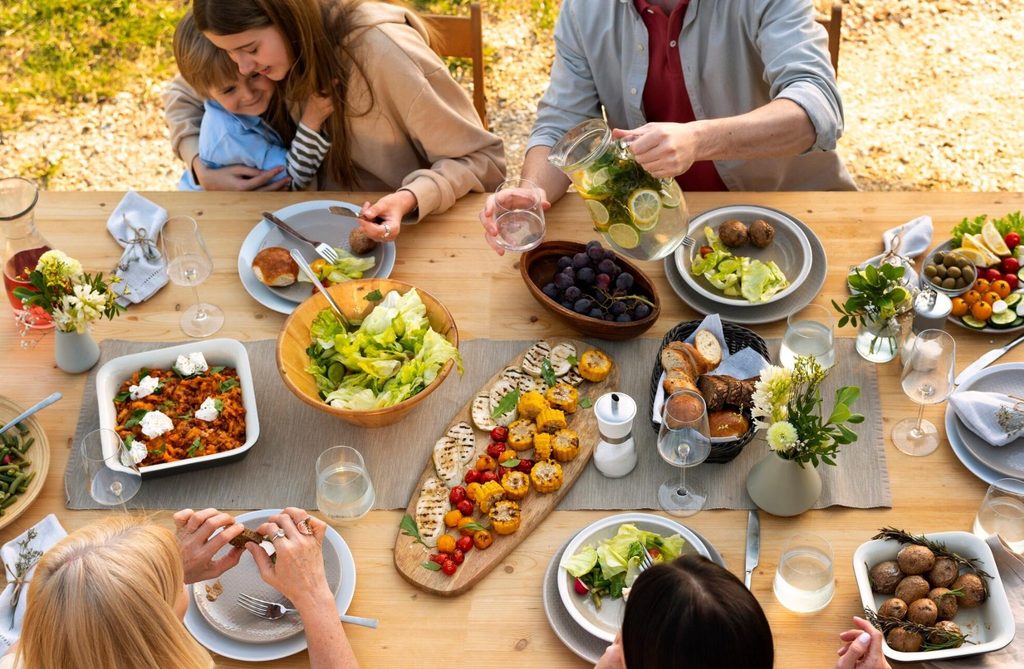
Farm curated picnic hamper contents: Instead of restaurant dining, the farm offers a pre-packed hamper with bread, cheese, cured meat, seasonal dips, and a small dessert, all sourced from the property or neighboring producers. The hamper cost is roughly half of a typical sit-down meal, yet the setting under shaded trees or beside a pond adds an unmatched atmosphere. Families can add freshly picked items to the spread, creating a personalized lunch that feels abundant without excessive expense.
Seasonal harvest pass booking convenience: A dedicated mobile platform allows families to purchase passes for specific weekends, with discounts for early registration and group reservations. The system shows real-time crop ripeness indicators and estimated crowd levels, helping parents choose quieter slots. This planning tool reduces waiting time and ensures that each visit yields a full basket rather than a thin pick.
Affordable pricing paired with self-service harvesting keeps the experience accessible while preserving the educational core of the trip.
Low Carbon Footprint And Zero Food Miles Awareness
Direct consumption of onsite produce eliminates long transportation chains. A large chalkboard near the picnic zone lists the distance from each ingredient source to the plate, with most items showing a figure under one mile.
Food miles visual comparison board: The chalkboard also shows a second column with typical supermarket supply chain distances, often exceeding 1,500 miles. This side-by-side comparison makes the environmental benefit concrete for both adults and older children, sparking natural conversations about energy use and packaging waste. The farm updates the board daily with new items, so returning families see different examples each visit.
Zero-mile lunch preparation with real-time feedback: The farm kitchen follows a strict rule that at least 90 percent of each lunch plate must come from the property or from adjacent lands within walking distance. Cooks post the daily origin map on a small easel, marking each ingredient with a colored pin. Families see that the carrot in their soup was pulled two hours ago and the herbs were clipped five minutes before serving. A small screen at the checkout shows cumulative emissions saved by all visitors that day, but the real highlight is the taste of food that has traveled almost no distance, which children notice even without reading numbers.
Understanding food miles through direct observation shifts abstract environmental concepts into practical daily choices.
Farm Stay Accommodation And Community Connection
Overnight lodging on active farms extends the learning beyond daylight hours. Eco-friendly cabins blend modern comfort with rural authenticity, while morning and evening routines create genuine bonds between guests and the land.
Morning animal care and milking routines: Guest families are invited to join the farm crew at dawn for feeding poultry, gathering eggs, and milking goats or cows. This early morning work requires gentle hands and calm movements, teaching patience and respect for animal rhythms. Children who previously saw milk only in cartons now understand that it comes from a living creature, a realization that often changes their attitude toward food waste.
Evening stargazing and storytelling circles: After sunset, the farm hosts a simple gathering around a fire pit where staff share regional tales about seasonal changes, wild animals, and traditional crop cycles. The absence of city lights reveals a dense star field, allowing families to identify constellations while listening to stories about how ancient farmers used the night sky to plan planting dates. This quiet downtime balances the day’s physical labor with reflective relaxation.
Eco-cabin living with gentle resource awareness: Each cabin contains a small panel showing basic data like solar battery charge and rainwater storage, but the real charm lies in the wooden porch, the sound of crickets, and the morning mist over the fields. Guests learn resource conservation naturally by seeing how the farm collects rain and generates power, without intrusive alerts or numbers. The panel becomes a quiet conversation starter rather than a dashboard, letting families appreciate the simplicity of farm life.
Overnight stays transform a day trip into a genuine rural immersion, forging lasting bonds between families and the land.
Conclusion: Seeds That Grow at Home
Every farm visit plants something deeper than a vegetable. The memory of muddy fingers, the scent of fresh herbs, and the sight of a child proudly holding a crooked carrot stay long after the car ride home. These small moments reshape how families view their plates, turning grocery shopping into a chance to recall the farmer’s smile and the warm bread from the picnic basket.
Repeat these excursions across seasons to watch the same field transform from bare soil to green rows to golden harvest. Keep a simple family notebook with drawings and notes from each trip. Over time, this collection becomes a living food story that makes every meal at home feel connected to the earth, not just to a store shelf.