Gasoline mowers bring noise, fumes, and frequent maintenance, yet newer lawn mowers with lithium battery and robot navigation are changing the picture for residential yards. Smart choices—comparing battery models, letting clippings return to the soil, and adjusting deck height by season—provide a practical path to denser grass growth and better disease resistance, without requiring mechanical expertise or lifestyle changes. Adopting these straightforward lawn mower approaches tends to make yards care quieter, cleaner, and more efficient over time.
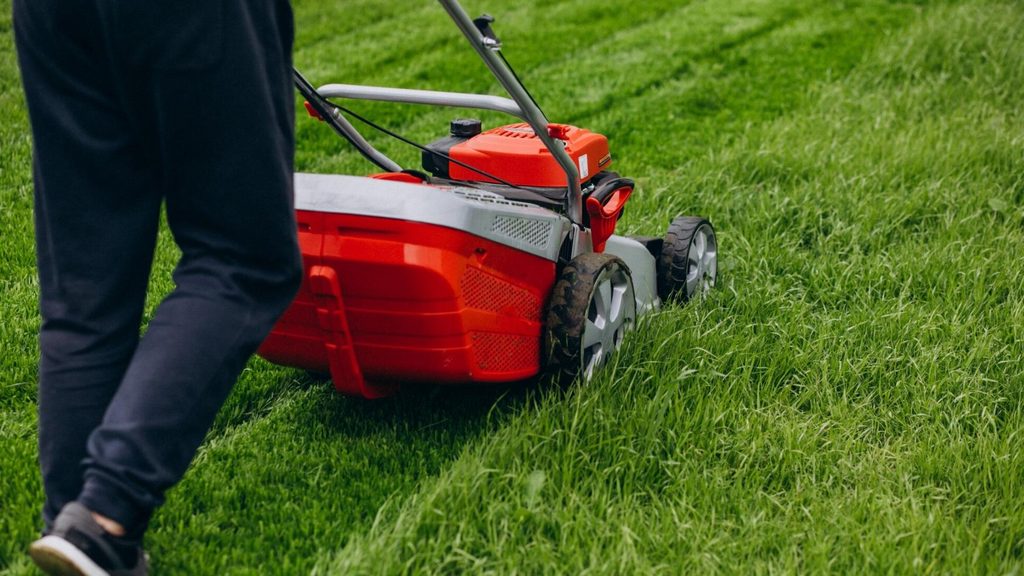
1. Brushless Motors and High Capacity Packs for Walk Behind Models
Proper voltage and ampere hour selection depends on yard size, and brushless motors automatically adjust torque based on grass density to extend runtime. Leading brands offer 80V and 56V dual battery systems that handle medium to large yards on a single charge. For plots under 500 square meters, a 40V 4Ah pack suffices, while areas above 800 square meters benefit from 56V or 80V with 6Ah or more.
- Runtime and Voltage Selection: For smaller lawns under 500 sqm, a 40V system with 4Ah battery usually completes a full session. Larger yards over 800 sqm need 56V or 80V packs with at least 6Ah, especially when grass is thick or damp. Higher voltage maintains blade speed under load, reducing stalls and producing cleaner cuts.
- Maintenance Free Start and Low Decibel Operation: Gas engines require oil changes and spark plug replacements, whereas electric push mowers start with a button and run at about 60-70 decibels, similar to conversation. This low noise allows early morning or evening mowing without disturbing neighbors, and zero emissions improve local air quality.
- Smart Power Management: Built-in controllers monitor battery temperature and discharge rate, cutting power when the bag is full or blade encounters an obstacle. This protection extends battery life and prevents motor burnout, while indicator lights show remaining charge to plan finishing passes without sudden stops.
Proper pairing of voltage and ampere hour ratings with yard size delivers reliable, quiet performance, making cordless walk behind machines a practical replacement for outdated fuel powered alternatives.
2. Boundary Wire Alternatives and RTK Navigation for Robot Mowers
Robot mowers use satellite RTK positioning and visual sensors to map the lawn without buried wires, and they store multiple zone maps for different yard sections. Frequent light trimming, only a few millimeters per session, promotes denser turf by avoiding scalping. Traditional cable systems require trenching, while wireless setups allow easy zone editing via smartphone.
- No Wire Installation and Flexible Zone Editing: RTK based robots need only a portable base station and a smartphone app to draw virtual boundaries, eliminating trenching or stapling wires along flower beds. Users can modify mowing zones seasonally, for example, excluding a vegetable patch in summer or adding a side strip after removing temporary fences. The robot stores multiple maps and switches automatically between front and back yards.
- Frequent Trimming for Denser Turf: Robot units operate daily or every other day, clipping only the top few millimeters each time. This light and frequent approach produces fine clippings that settle without clumping, and the consistent short duration prevents scalping even on uneven ground. The navigation algorithm records previous tracks and plans perpendicular passes to improve crosshatch patterns, which stand grass upright for better sunlight.
Wireless RTK guidance removes installation hassles and enables hands free daily maintenance, with visual fusion further enhancing obstacle detection around trees and play structures.
3. One Third Rule and Mulching Blade Practice for Soil Nutrition
Removing more than one third of grass height stresses roots and invites weeds, so the one third rule is critical. Modern mulching mowers use vortex blades to chop clippings into fine particles, which recycle nitrogen (3-5% dry weight) back into the soil. For example, cutting from 8 cm to about 5.5 cm follows this rule and feeds the lawn naturally.
- Cutting Height Discipline: Measure current grass height and set the deck to remove no more than one third. For a typical lawn at 8 centimeters, leave about 5.5 centimeters. This applies every session, and short clippings fall through the canopy to the soil, where earthworms and microbes decompose them within days.
- Natural Nitrogen Recycling: Grass clippings contain about 3 to 5 percent nitrogen by dry weight, and left on the lawn they supply a slow-release nutrient source. Over a season, mulching can provide the equivalent of one or two light fertilizer applications, saving cost and preventing runoff. Fine texture also prevents thatch buildup because particles break down before layering.
- Drought Resilience Improvement: Lawns with consistent mulching develop deeper roots because the organic layer moderates soil temperature and reduces evaporation. During dry periods, these lawns stay green longer and recover faster after rain, while bagged clippings show more browning.
Adopting the one third cutting rule combined with mulching functionality transforms grass waste into a valuable soil amendment, promoting robust growth with fewer external inputs.
4. Seasonal Deck Height Adjustments for Disease Prevention
Quick adjust deck levers allow single-hand height changes, making seasonal transitions easy. Raising the cutting height to 7-9 centimeters in spring and summer suppresses weeds and reduces heat stress, while lowering to 5-6 centimeters in autumn and winter prevents snow mold and matting. Proper seasonal adjustments lower disease and weed pressure significantly.
- Spring and Summer Rapid Growth Settings: During peak growth, raise the deck to 7-9 centimeters for warm-season varieties. Taller blades shade soil, suppressing crabgrass and other weeds that need light to sprout. Increased leaf area fuels photosynthesis, storing more carbohydrates in roots for heat tolerance.
- Autumn and Winter Dormancy Preparations: Lower the height gradually to about 5-6 centimeters before the first frost. Shorter grass reduces matting under snow and prevents fungal diseases like snow mold. The final cut should be slightly lower but still respect the one third rule, performed when growth slows.
- Quick Adjustment Hardware Benefits: Lever-controlled systems eliminate wrenches and individual wheel adjustments, enabling changes within seconds between lawn zones. This convenience encourages frequent fine-tuning, and positive click stops ensure level cutting, avoiding uneven scalping that invites pests.
Seasonal height modulation with easy to use deck levers directly lowers disease pressure and weed competition, supporting a dense turf that withstands weather extremes.
Conclusion: Smart Tools and Natural Rules Simplify Maintenance
The rise of lithium brushless walk behind machines and RTK equipped robotic cutters, alongside strict adherence to the one third mulching rule, signals a profound shift in modern lawn maintenance philosophy. High-tech features are not meant to impress with complex numbers but to strip away the old frustrations of oil changes, spark plug swaps, and buried wire installation.
When proper voltage matching, cable-free autonomous navigation, and natural nitrogen recycling from clippings are combined, the whole routine becomes far less laborious. What once required weekend hours now fits into short, quiet sessions, with lower carbon footprint and less chemical fertilizer dependence. This is not just about convenience; it embodies a sustainable, minimalist way to keep outdoor spaces vibrant.