Typically, raw sunflower seeds often sit unused in kitchen pantry shelves, their potential limited to mere occasional snacking rather than truly versatile kitchen staples. Yet controlled roasting, thorough blending, gentle pressing, and fine milling can transform these humble kernels into seed butter, plant milk, flour, and oil—each with distinct culinary uses. Detailed step-by-step comparisons of temperature settings, processing times, and final textures frequently reveal simple methods that turn a single ingredient into four everyday essentials.
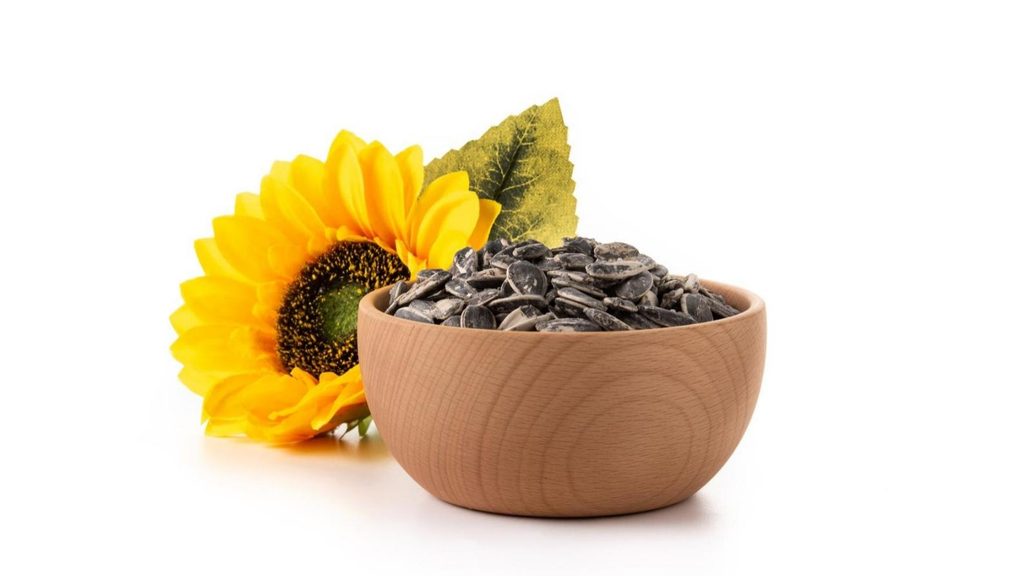
Golden Dry Roasting: Zero Additive Crispy Kernels At Home
Place raw kernels on a baking tray and set the oven to 150°C. Roast for 12 to 15 minutes, turning the tray twice to ensure even heat exposure. Pull the tray out in the last minute and sprinkle with sea salt and black pepper to finish.
Heat control
Staying at 150°C keeps the internal temperature below the point where unsaturated fats begin to break down. Going over 170°C triggers oxidation that produces bitter, rancid notes, so an oven thermometer is essential. The gentle heat drives out moisture slowly, allowing the seed’s natural oils to warm and release their aroma without burning.
Turning technique
Two turns during roasting prevent clumping and promote uniform browning on all sides. Use a wide spatula to flip the kernels, then spread them back into a single layer after each turn. This allows hot air to circulate freely around each piece, so every kernel emerges crisp and golden rather than pale or scorched.
Salt timing
Sprinkle salt and pepper only during the final 60 seconds, just before removing the tray. Early addition draws out moisture and dissolves into the surface, weakening the crunch. Late seasoning keeps the crystals intact, delivering a bright salty pop that contrasts with the nutty richness of the roasted seed.
Nut Free Butter: Homemade Sunbutter From Roasted Kernels
Transfer warm roasted sunflower seeds into a high power blender and run it without stopping for four to six minutes. The seeds first break into coarse meal, then gradually release their internal oils and turn into a smooth, glossy liquid.
Oil release dynamics
During the first two minutes, the mechanical shear fractures cell walls and liberates the oil trapped inside. As blending continues, the oil coats the solid particles and reduces friction, allowing the mixture to flow like warm honey. The process is self sustaining; no additional oil is needed because the seed itself supplies enough fat to reach a spreadable consistency.
Texture monitoring
Stop the blender every minute to scrape down the sides with a rubber spatula. This ensures that all particles pass through the blades repeatedly, eliminating gritty bits. Continue until the surface shines and the butter drips slowly from the spatula – a sign that the emulsion has formed fully and the particle size is uniformly fine.
Storage practice
Pour the finished butter into a glass jar and cool completely before capping. Refrigeration solidifies the oil slightly, but a gentle stir after chilling restores the creamy texture. Kept chilled, the butter stays fresh for up to three weeks without separating or turning rancid.
High Oleic Oil: Stable Cooking Oil With Active Vitamin E
High oleic sunflower oil withstands temperatures near 230°C without smoking or degrading. Its monounsaturated fat structure keeps the oil stable during high heat cooking, while vitamin E remains active even after heating.
Smoke point performance
At 230°C, the oil maintains its molecular integrity, making it suitable for stir frying, shallow frying, and sautéing. Unlike polyunsaturated oils that oxidize rapidly at high temperatures, this variety resists forming free radicals. The oil stays clear and does not develop off flavors after multiple heating cycles, which reduces waste in daily cooking.
Vitamin E retention
Vitamin E, a fat soluble antioxidant, survives the heating process because the oil’s high oleic content protects it from thermal breakdown. A single tablespoon contributes a substantial portion of the daily requirement, and this nutrient remains bioavailable after cooking. Regular use adds a protective element to meals without altering taste or texture.
Fatty acid profile
The oil contains over 80% oleic acid, a monounsaturated fat that helps maintain healthy cholesterol ratios. When used in place of saturated fats like butter or lard, it lowers the intake of LDL raising fats while providing a neutral flavor. This structural advantage makes it a practical choice for both savory dishes and baked goods that require a liquid fat.
Handling and storage
Store the bottle in a cool, dark cabinet to prolong shelf life. The oil’s natural stability means it does not require refrigeration, but keep it away from direct light and heat sources. Pour directly from the bottle for frying, or measure it out for dressings – the same oil works across the entire temperature spectrum.
Gluten Free Flour: Seed Meal For High Protein Baking
Grind hulled sunflower seeds in a dry grinder using short pulses, allowing cooling breaks between each burst. Sift the resulting meal through a fine sieve to achieve a uniform powder that mimics wheat flour texture.
Pulse grinding method
Run the grinder for 10 seconds, then stop for 20 seconds to let the blades and seeds cool. Repeated short bursts prevent the heat from melting the seed oils into a paste. Continue this cycle until the powder feels silky between fingers. Overprocessing at once generates friction heat that turns the meal oily and clumpy, ruining the flour’s baking performance.
Sifting for consistency
Pass the ground meal through a mesh sieve with holes no larger than 0.5 millimeters. This step removes any remaining coarse particles and ensures that the flour absorbs liquids evenly. A uniform particle size is critical for bread and cookie recipes, because uneven flour leads to dense spots or collapsed structures.
Binder combination
For gluten free baking, mix sunflower seed flour with tapioca starch and a small amount of xanthan gum. The starch provides elasticity, while the gum mimics gluten’s binding action. Replace up to 25% of wheat flour in standard recipes with this blend to add moisture and protein, or use it as the sole flour for completely gluten free goods, adjusting liquid ratios to account for the seed meal’s higher oil content.
Conclusion: Four Processes, One Seed
Controlling oven temperature, blending time, grinding pulses, and ingredient ratios turns sunflower seeds into versatile kitchen staples. Each method relies on observable physical changes – oil release, texture shift, and particle size – rather than commercial additives or processed inputs.