Dry, tough chicken breasts often turn a healthy meal into a boring one, yet a few simple cooking adjustments can make a real difference in texture and juiciness. Practical steps—brining in salt water, cooking in a water bath, searing over high heat, and tenderizing with acidic ingredients—provide an accessible approach to achieving tender and flavorful results at home, without complicated tools or techniques. Applying these straightforward ideas for chicken breast recipes tends to make weeknight dinners more satisfying and reliable.
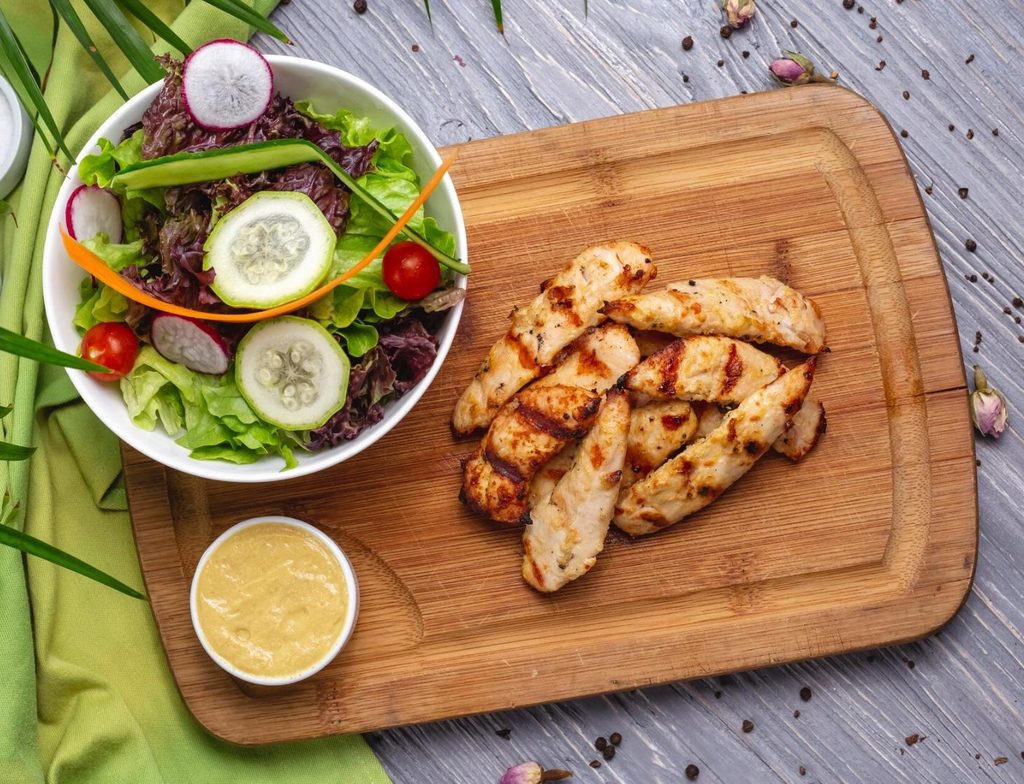
Wet Brining for Moisture Lock
Wet brining modifies muscle proteins to hold more moisture during heating. The salt concentration and soaking duration directly determine the final texture.
- Salt and Sugar Ratio and Time: Use 50 grams of kosher salt and 50 grams of sugar per liter of cold water. Submerge the chicken for two hours in the refrigerator. Exceeding four hours turns the meat spongy, so set a timer to avoid overbrining.
- Temperature Control: Keep the brine below 5 degrees Celsius throughout the soak. Higher temperatures encourage bacterial growth without improving protein hydration. Store the container on the lowest refrigerator shelf for even cold circulation around the bag.
- Rinsing and Drying: After soaking, rinse the surface briefly under running water to remove excess salt. Pat completely dry with paper towels, because surface moisture blocks browning later. This drying step directly affects the quality of the final crust.
This brining method works for planned cooking, ensuring tenderness across different pan types.
Precision Water Bath Cooking for Even Doneness
Precise temperature control removes guesswork from stovetop frying. A circulator set between 60 and 65 degrees Celsius pasteurizes the meat without overcooking the outer layers.
- Equipment and Bag Sealing: Fill a pot with water and attach the immersion circulator. Place the chicken in a resealable bag, remove air by water displacement. A vacuum sealer gives better results, but the displacement method is reliable for home use.
- Time and Texture Thresholds: Cook at 63 degrees Celsius for one hour. This meets safety standards and keeps muscle fibers relaxed. Extending beyond two hours breaks down connective tissue excessively, producing a mealy mouthfeel.
The water bath yields fully cooked, tender meat that needs only a final sear for surface flavor.
High Heat Sear for Flavorful Crust
High heat searing creates rich flavor through the Maillard reaction. A dry surface and high smoke point oil are essential for a crisp, golden shell.
- Skillet Preheating and Oil Choice: Heat the cast iron pan over high flame for three minutes until water beads dance across the surface. Use oil with a smoke point above 200 degrees Celsius, such as refined avocado or light olive oil. A light coating prevents pooling and splattering.
- Surface Drying and Seasoning: Pat the cooked chicken dry again with fresh towels, since resting releases surface moisture. Sprinkle fine salt and cracked pepper evenly over both sides. This seasoning adheres to the surface and boosts crust flavor without overwhelming the tender interior.
- Searing Time and Resting: Sear each side for sixty seconds with gentle press using a spatula. Transfer to a cutting board and rest for three minutes before slicing. Resting allows juices to redistribute evenly through the meat.
Searing adds a golden, crisp shell that contrasts with the succulent inner meat.
Acidic Marinade for Quick Weeknight Meals
Acidic marinades use yogurt or citrus juice to break down surface collagen. The right ratio and timing produce tender results without long waiting.
- Yogurt to Juice Ratio and Time Limit: Mix plain whole milk yogurt and lemon juice at three to one by volume. Marinate the chicken at room temperature for no more than thirty minutes. Longer exposure makes the outer layer mushy and chalky, so watch the clock carefully.
- Scraping and Cooking: Scrape off the thick yogurt coating with a spatula before heating, because burnt dairy particles create bitter spots. Cook the marinated breast by pan searing, baking, or grilling until the internal temperature reaches 74 degrees Celsius for safety.
Acidic marinades offer a fast path to softer meat for spontaneous meals.
Conclusion: Simple Rules Deliver Reliable Chicken Dishes
Each of the four methods addresses protein shrinkage differently, but all rely on controlling temperature, time, or acidity. Choosing based on available equipment turns lean poultry into a consistently enjoyable main course.