Daily commutes and weekend trails trips call for separate bags, yet a well-chosen backpack handles urban sidewalks and woodlands paths. Practical design pillars—shoulder comfort, secure pockets for gadgets, tear-resistant shell, and adjustable tie-downs—provide a clear foundation for moving from crowded cars to quiet hillsides, without needing to switch gear or overthink packing. Acquiring practical knowledge about versatile backpack use can offer useful direction for choosing one pack that supports everyday errands and outdoor moments equally well.
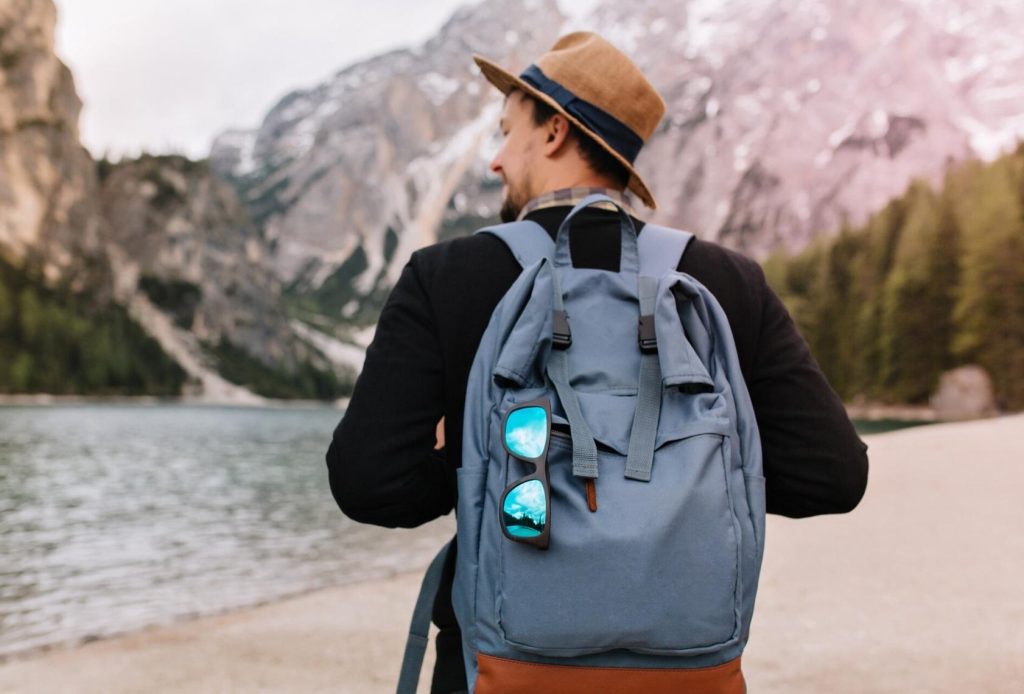
Ergonomic Suspension: Turning Weight into Whisper
A well‑designed backpack should feel like an extension of the body, not a burden on the shoulders. Even for short walks to the office or weekend hill paths, the carrying system determines comfort more than capacity does. Hybrid models borrow from mountain gear, focusing on physical structures that distribute load efficiently.
Breathable mesh back panels do more than cool the spine
They create a tension zone between the pack and the wearer, allowing air to circulate while keeping the load stable. Many 25‑litre to 30‑litre crossover packs integrate a curved aluminium stay or a sculpted foam pad that mimics the natural S‑curve of the upper back. This design spreads shoulder pressure evenly and prevents hot spots during long carries. The mesh also wicks moisture, so a sudden morning drizzle or a midday sweat session does not leave a damp patch on a shirt.
Adjustable sternum straps and load‑lifter webbing personalise the fit
These small parts make a huge difference. A chest strap that slides up and down along rails lets a shorter torso or a broader chest find its own sweet spot. When the pack is fully loaded—say, a laptop, a lunch box, and a spare hoodie—lifting the shoulder straps’ attachment points shifts the centre of gravity closer to the back. This prevents the notorious lean‑back walk that strains lower muscles. Quick‑release buckles add one‑handed loosening for those moments when sitting down on a train or a rocky ledge.
Hip fins, even on compact bags, offload repetitive pressure
Though many commuters ignore hip belts, a thin padded wing that wraps around the iliac crest can transfer up to 30 percent of total weight to the pelvis. Hybrid backpacks often include removable hip fins, so they tuck away when not needed but deploy for a long Saturday hike. The result: shoulders feel fresher at the end of the day, and the spine stays straighter without rigid posture corrections.
Tech Compartment Meets Trail Hydration: A Safe House for Electronics and Water
Carrying a fragile 16‑inch workstation alongside a flexible water bladder in one pack calls for smart zoning. This demands more than a padded sleeve; it requires separate compartments that guard against both moisture and impact.
A suspended laptop sleeve with false‑bottom drop protection
This compartment sits elevated about two centimetres above the pack’s floor, so an accidental set‑down on concrete does not transmit the full impact to the device’s corners. The sleeve is lined with soft fleece against scratches, while a velcro‑secured flap keeps the screen from jostling against internal gear. Many designs add a side‑zip access, allowing the laptop to be slid out without opening the main clamshell—perfect for airport security checks or coffee‑shop power sessions.
A dedicated pass‑through port for a hydration tube, sealed when unused
This port is usually a rubber grommet near the top of the back panel. When closed, it blocks dust and light rain; when open, it routes a drinking tube over the shoulder strap. The tube clips onto a sternum magnet, so the bite valve stays within easy reach during a brisk walk or a forest trail. Importantly, the water reservoir sits in a separate foil‑lined pocket, isolated from the electronics by a waterproof divider. Even if the bladder leaks, the laptop remains dry.
Cable management loops and quick‑access power bank pockets
A small zippered slot near the top holds a power bank, with an internal fabric tunnel that guides a charging cable to the outer edge. This means a phone can recharge while tucked in a side pocket, without dangling wires catching on branches or door handles. The tech zone also includes a key clip and a mesh panel for pens and dongles, so every small item has a visible home—no more rummaging at the bottom.
Cordura and Ripstop Nylon: Armour That Breathes Toughness
The shell of a hybrid backpack must withstand abrasive train seats, gritty pavement, and scratchy undergrowth. High‑denier fabrics balance durability with flexibility through specific weaves and coatings.
A 500D to 840D nylon weave resists daily scuffs and branch snags
These numbers refer to denier, the thickness of individual fibres. A 500D Cordura offers a sweet spot—strong enough to survive being dragged across a luggage rack, yet pliable enough to pack into an overhead bin. Ripstop construction, identifiable by the small grid pattern, stops tears from expanding even if a sharp edge nicks the surface. This combination gives reliable toughness without turning the bag into a stiff shell.
A water‑repellent coating that sheds light showers without a rain cover
Most hybrid packs apply a durable water repellent (DWR) finish on the face yarns. This causes raindrops to bead and roll off, keeping the interior dry for about 20 minutes under moderate precipitation. For extended wet conditions, the fabric still accepts a clip‑on rainfly, but the coating handles unexpected drizzles during a bike commute or a sudden valley mist. The coating does not compromise breathability, because it sits only on the outer layer, leaving the inner weave open for vapour escape.
Reinforced bottom panels and zipper garages extend lifespan
The highest wear occurs at the base—where the bag meets floors, rocks, and gravel. A second layer of 1000D nylon or ballistic fabric is stitched into the bottom, often with a rubberised skid pad. Zipper garages, which are narrow fabric flaps covering the zipper track, keep dust and grit out of the teeth, so pulls glide smoothly over years of use. These details turn a good backpack into a long‑term companion, not a seasonal purchase.
Modular External Carry: Daisy Chains and Stretch Pockets for Real‑World Loads
Side pockets, lash points, and bungee cords allow the bag to adapt to whatever the day demands—from a hot thermos to a rolled‑up raincoat. These external features add real‑world versatility without complicating the main compartment.
A deep side elastic pocket that securely holds a 32‑ounce wide‑mouth bottle
This is not a shallow sleeve; it is cut with a curved bottom and reinforced stitching to prevent the bottle from tilting and falling out during a jog. The elastic binds tightly around cylindrical objects, while a side compression strap cinches down further for stability. The same pocket comfortably accepts a foldable umbrella or a compact tripod, making it the most used feature for spontaneous stops. The internal drainage grommet lets spilled water escape, so the pocket never becomes a stagnant pool.
A front daisy‑chain webbing with three or four ladder loops
These loops accept carabiners, gear straps, or shock cords for lashing extra items—think a wet shell jacket, a foam sleeping pad, or a small dry bag. The chain runs vertically, so weight hangs evenly and does not sag to one side. Some packs also include a bungee criss‑cross over the daisy chain, creating a quick‑stash garage for a helmet or a pile of loose fruit from a roadside stall.
A hidden top‑lid pocket with key‑clip and sunglasses‑fleece liner
Often overlooked, this overhead compartment is perfect for valuables that need fast access. The fleece lining is scratch‑free for lenses, and the key clip extends on a retractable cord, so keys are never lost inside the main cavity. The lid also features a small pass‑through slot for earphone cables, allowing music or calls without unzipping. Together, these external and top features mean the backpack responds to changing needs—no unpacking required, just grab and go.
Conclusion: One Bag, Two Worlds
A hybrid backpack is not a compromise but a smart merger. It handles the morning commute and the afternoon trail with equal ease, saving the trouble of swapping gear.
Choose a pack with solid suspension, protected tech zones, tough fabric, and handy external carry. That single choice covers workdays, weekends, and every detour in between.