Selection of summer dresses for warm weather often needs balancing light materials, flattering cuts, and adaptability for casual or formal events, which complicates a simple purchase. Standard advice says pick the sheerest fabric, but linen blends with tighter weaves and cotton-poplin actually hold shape and allow air circulation more effectively throughout the day. Weave tightness, cut proportions, accessory layering, and UPF ratings offer practical benchmarks for simplifying daily dressing and moving effortlessly between settings.
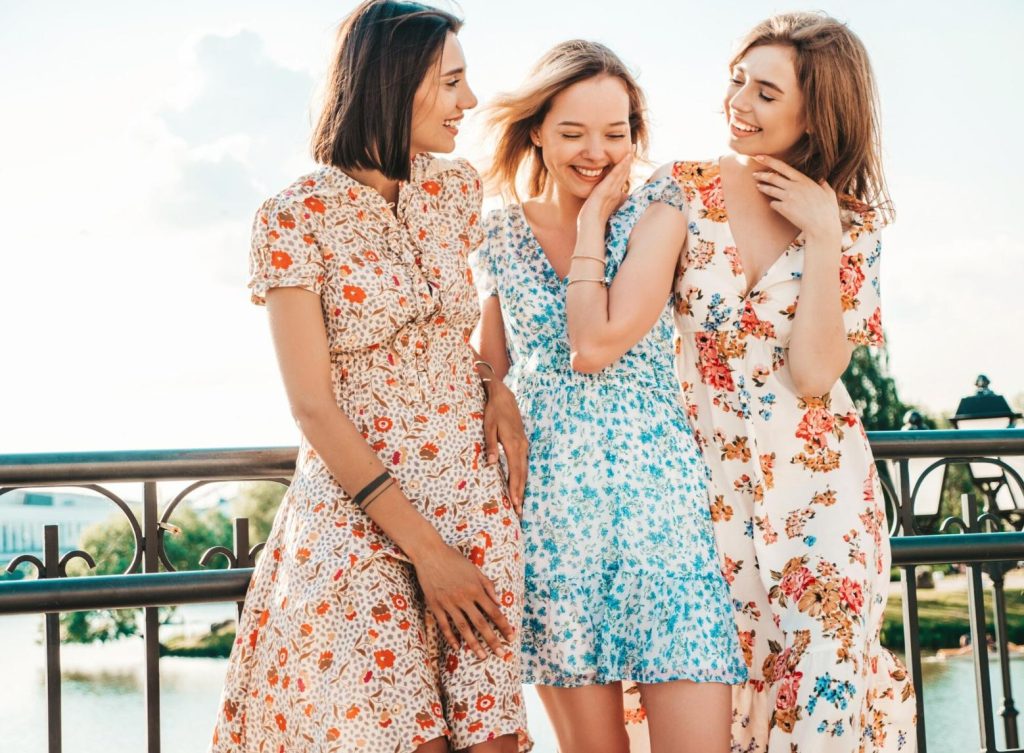
Breathable Blends: Linen-Tencel Mixes for All-Day Polish
Pure linen wrinkles heavily within hours of wear, while synthetic fabrics trap heat. A linen-viscose or linen-Tencel blend retains natural airflow while significantly reducing creasing, making it suitable for both office hours and outdoor breaks.
Checking the fiber composition
Look for Tencel, lyocell, or viscose listed alongside linen on the tag. These cellulosic fibers wick moisture better than standard cotton and feel cool against the skin. Many current collections from mid-range brands offer these blends in crisp weaves that hold their shape through a full workday without the sticky discomfort of polyesters.
Choosing darker or heathered colors
Navy, charcoal, and muted patterns hide the small wrinkles that inevitably form from sitting. A dark blended dress appears freshly pressed even after a long commute, while light pastels expose every fold. This simple color choice reduces the need for midday touch-ups and keeps the outfit looking polished with minimal effort.
Opting for a stable weave
A slightly tighter weave with a hint of elastane or spandex resists bagging at the elbows and knees. Dresses that feel substantial but not heavy tend to drape better and recover from creases more naturally. Reading product descriptions for terms like wrinkle-resistant or easy-care often signals fabrics that balance professionalism with comfort.
Flattering Silhouettes: A-Line and Wrap Cuts for Every Shape
Wrap dresses and A-line shapes create a V-neckline and a defined waist, visually balancing both pear and apple body types by highlighting the narrowest part of the torso while skimming over hips and midsection.
Understanding the V-neck and waist definition
A wrap dress crosses at the front, drawing the eye upward toward the collarbone and lengthening the neck. The attached belt allows each wearer to adjust the tightness, accommodating small weight changes without sacrificing the fit. This design works equally well for seated meetings and standing social hours.
Choosing the right skirt length
Knee-length or just above the knee suits most professional settings, while midi lengths offer a modern, elegant line for taller figures. Petite frames often benefit from a hem two to three inches above the knee, which visually extends the leg. Trying on different lengths with the intended footwear removes guesswork and ensures the final pick truly flatters.
Testing comfort in motion
A flattering dress must also allow easy bending, walking, and sitting without pulling. Checking the fabric’s stretch and the armhole depth before purchasing prevents the disappointment of a beautiful dress that restricts movement. Practical comfort matters because a dress that feels restrictive will end up hanging unworn.
Versatile Styling: One Dress, Two Occasions
A well-cut solid midi slip dress or shirt dress can anchor an entire summer wardrobe. Adding a blazer and loafers creates a conference-ready look, while swapping in flat sandals or sneakers shifts it to weekend mode.
Layering a lightweight blazer for office hours
An unlined cotton or linen blazer thrown over the shoulders instantly transforms a casual sundress into a structured outfit for client calls or team meetings. Keeping a neutral-toned blazer at the desk allows for quick coverage when air conditioning runs high. This single addition changes the dress’s personality without adding bulk or heat.
Switching footwear for after-work relaxation
Replacing closed-toe pumps with flat leather sandals or minimalist sneakers softens the formality in seconds. The same dress that looked corporate at noon feels relaxed and approachable at a rooftop gathering. Choosing metallic or tan-toned shoes ensures they harmonize with most solid colors, maximizing the dress’s versatility.
Adding a denim or utility jacket for cooler evenings
An oversized denim jacket adds an edge that contrasts with the femininity of a midi dress, working equally well for grocery runs or casual dinners. This layer also provides extra coverage for bare shoulders during transitional weather. The jacket extends the dress’s usability well past standard office hours without requiring a complete outfit change.
Sun Protection: UPF Fabrics That Keep Cool
Standard cotton offers limited defense against harmful rays, but tightly woven materials and darker dyes absorb more radiation before it reaches the skin. Many functional apparel lines now produce lightweight dresses with built-in protection.
Choosing tightly woven or treated fabrics
Dense weaves physically block more sunlight than loose knits, and some brands add UV-absorbing finishes during manufacturing. These treatments are durable and do not wash out quickly. Opting for fabrics with a smooth, compact surface often indicates better shielding, especially for long outdoor stays.
Selecting darker colors for extra defense
Deep hues like navy, black, and forest green absorb more ultraviolet radiation than pale shades, reducing the amount that penetrates to the skin. This effect is particularly useful for beach walks or open-air markets. Pairing a dark dress with a wide-brimmed hat offers a simple, non-chemical sun strategy.
Looking for styles with built-in coverage
Sleeves, higher necklines, and wider shoulder caps provide shade for areas commonly missed by sunscreen. A modest crew neck and elbow-length sleeves protect the chest and upper arms without feeling too warm. This design choice reduces the need for constant reapplication during a day spent outdoors.
Conclusion: Dressing Smartly for the Long Summer
These four principles—fabric science, silhouette strategy, styling flexibility, and sun-smart choices—turn a single summer dress purchase into a multipurpose asset. Each decision reinforces the others, so the final wardrobe feels curated rather than cluttered.
The true value of summer dresses lies not in quantity but in how reliably a few good ones perform across workdays, weekends, and spontaneous outings. By applying these filters, any shopper can build a warm-weather rotation that stays fresh, flattering, and functional until the season changes.