Why do knee pads with foam leave players struggling with patellar soreness, perspiration & wear after a few contests? In many cases, selecting volleyball knee pads with gel padding, covers & sweat‑wicking fabric can not only cushion falls but also ease patellar strain, control moisture, and promote post‑game recovery. This all‑in‑one approach addresses the specific needs of adult recreational players—patellar tendon health, gear durability, sweat managements, and recovery supports—making it a smart choice for consistent performance.
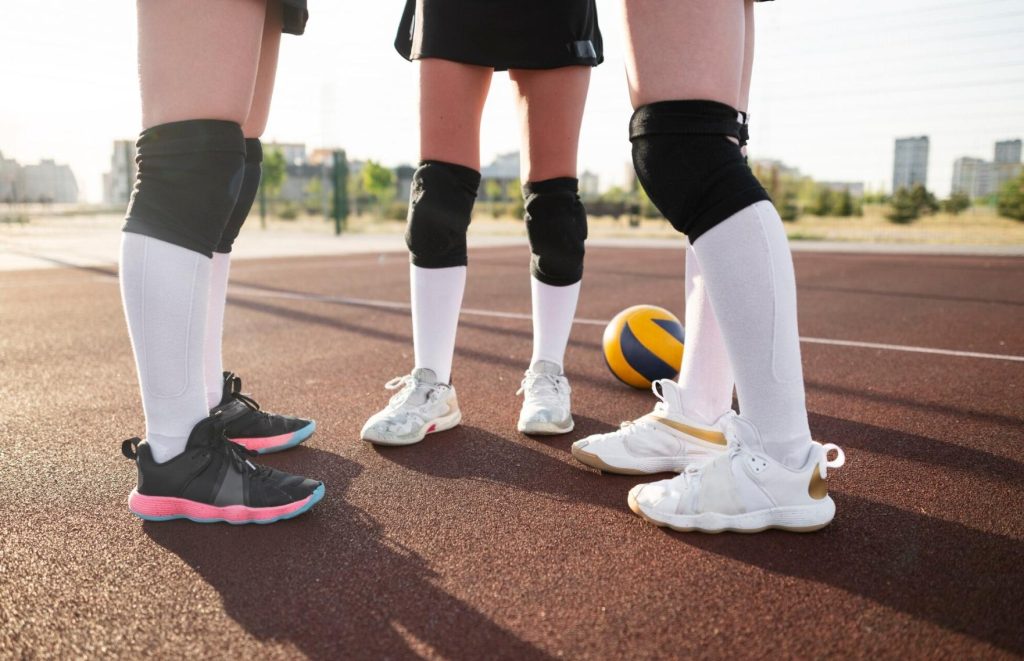
Patellar Decompression beyond Simple Cushioning
Adult recreational players generate explosive force during spikes and landings, transmitting heavy tension through the patellar tendon. Basic soft pads absorb surface impact but do little to redistribute stress at the tendon insertion point. Advanced designs incorporate a silicone gel ring or compression strap that actively offloads tension during takeoff and touchdown. Three specific benefits define this upgraded function.
Targeted Tendon Pressure Relief: The gel ring sits directly over the patellar tendon, applying gentle counter‑pressure that alters the load path during quadriceps contraction. This reduces peak strain on the tendon insertion, the primary site of jumper’s knee pathology. The effect is most noticeable during deep knee bends and high‑impact landings.
Dynamic Fit and Joint Awareness: The three‑dimensional knit structure conforms to the leg, providing sensory feedback that helps the wearer adjust landing mechanics subconsciously. This improved body awareness leads to safer movement patterns and reduces awkward twists that cause secondary injuries.
Even Load Distribution: Instead of concentrating force on the patella, the support ring spreads the load over a wider area around the joint, lowering peak pressure and decreasing microtrauma accumulation over a long season.
A clear distinction exists between thick foam pads for floor impact protection and gel‑ring designs for tendon relief. The best all‑around choice is a hybrid model combining a thick outer sponge layer with an inner silicone ring, especially for liberos and defensive specialists who both dive and jump frequently.
Abrasion Resistant Outer Shell for Frequent Diving
Hardwood and synthetic sport courts create constant friction during diving saves, quickly wearing through ordinary cotton covers. A durable outer layer must withstand repeated slides without thinning or tearing. High‑strength materials such as aramid fibres or heavy‑duty nylon weaves significantly extend the pad’s service life. Two material choices dominate the durability race.
Aramid Fibre Reinforced Panels: Fabrics like Kevlar or similar high‑tenacity yarns are woven into the knee and shin areas that contact the floor most often. These fibres resist abrasion far better than standard polyester, with typical wear tests showing several times the rubbing cycles before failure. The added strength does not compromise flexibility, as the weave incorporates stretch zones. This material excels on polished wood and synthetic PU courts.
Honeycomb Hexagonal Cell Construction: Independent hexagonal foam cells are bonded together, forming a flexible but tough outer shield. Each cell compresses independently, absorbing shear forces from slides, and the cell walls resist tearing even after aggressive dives. This structure conforms to the knee’s curvature better than a solid foam block, eliminating bunching. However, exposed foam is more vulnerable on rough surfaces, making it better suited for indoor clean flooring.
Choosing the right material depends on the primary playing surface. For regular hardwood, aramid‑reinforced weaves offer the best longevity, while hex foam provides superior flexibility for players needing maximum joint mobility.
Breathable Mesh and Anti Slip Grippers for Sweaty Matches
Adult players work up heavy sweat during rallies, and moisture absorbed by traditional pads leads to sagging and constant readjustment. Frequent pulling up distracts from play. Effective designs counter this with large mesh panels on the back of the knee and silicone gripper bands at the top and bottom hems. Two key features maintain stable, dry comfort.
Open Mesh Backing for Ventilation: Large perforations behind the knee allow hot air and moisture to escape, keeping the pad lighter and less clammy. This ventilation also reduces skin irritation and bacterial odour. The breathability does not compromise the pad’s hold, as the mesh is integrated into a compression sleeve.
Silicone Gripper Stripes for Anchoring: Thin silicone lines on the inner hem create friction against the skin or tights, preventing downward creep during lateral movements. These grippers work best with a snug fit around the calf and thigh. However, silicone can lose grip when saturated with sweat, and some players experience mild skin irritation. To preserve elasticity and grip, these pads must never be washed with fabric softener, which damages both the silicone and spandex fibres. Hand washing with mild soap and air drying is the only safe method.
Proper ventilation and anchoring turn pads into a non‑distracting part of the uniform, but regular maintenance of the grippers is just as important as the initial fit.
Post Match Cooling and Pad Maintenance for Extended Use
Protective gear cannot eliminate all cumulative stress, and even the best pad requires complementary recovery habits and proper care. Two concise practices close the protection loop.
Brief Cold Therapy After Play: Applying a cold pack around the knee for fifteen minutes post‑match reduces local swelling and inflammation. This step is most effective within half an hour of finishing. Wraps designed for knees hold the ice pack securely, cutting down on next‑day stiffness.
Cleaning and Storage Rules: After each use, rinse pads in cold water and hang to dry away from sunlight. Fabric softener is strictly forbidden, as it breaks down elastic fibres and silicone grippers. Machine washing on a gentle cycle with mild detergent is acceptable, but air drying is mandatory. Properly maintained pads retain compression and grip for two to three seasons.
When on‑court support is paired with brief recovery and careful washing, the knee stays healthier over the long term, allowing years of continued league participation.
Conclusion: A Complete Knee Protection Strategy for Adult Volleyball
The four pillars above, active patellar decompression, abrasion‑resistant outer layers, breathable anti‑slip designs with proper maintenance, and brief post‑match cooling, form a comprehensive approach to knee care. Each pillar addresses a distinct phase of the game and its aftermath.
This layered strategy keeps adult recreational players on the court longer, with fewer interruptions for pain or gear failure. The payoff is not just better performance, but sustainable enjoyment of the sport for many seasons to come.