The desire for crispy fried chicken or golden fries often meets a very nagging concern about unwanted oil and calories. Traditional deep‑frying can certainly deliver the familiar taste and texture, yet the high fat content may not align with health goals. Would trying air fryer recipes for these classic dishes perhaps help satisfy the very same cravings while cutting back on added fats significantly? Read the additional practical cooking tips below for air‑fried versions, or use the search tool to find related recipes on our own site.
Oil-Free Crispy Chicken: How Rapid Air Conquers Deep Frying
The air fryer’s rapid circulation extracts fat from chicken skin while triggering the Maillard reaction for a golden crust. A dual-basket system with cyclonic trays lets drippings fall away, cutting fat absorption significantly.
Applying the no-flour double-mist technique
Instead of dredging in flour, lightly mist seasoned chicken with a high-smoke-point oil such as avocado oil in two thin layers. The first mist helps seasoning adhere before cooking. The second mist goes on at the halfway flip, reinforcing the crisp exterior without a heavy breaded shell. This keeps the coating delicate and crunchy while sealing in juices.
Temperature and timing for white meat versus dark meat
Chicken breasts cook at 375°F for 12 to 15 minutes; dark meat like thighs and drumsticks need 400°F for about 20 minutes to render fat and crisp the skin. Use a thermometer: 165°F for white meat, 175°F for dark. This precision prevents dryness and ensures safety.
How the fat-rendering cycle works
Hot air liquefies subcutaneous fat, which drips through the perforated tray. The chicken essentially fries in its own rendered fat, not in added oil. This self-basting process keeps the finish crisp longer without excess grease.
Smarter Sides: Crispy Sweet Potato Fries and Brussels Sprouts
The air fryer’s concentrated heat locks in moisture while delivering caramelized edges. Sweet potatoes offer a lower glycemic impact, and Brussels sprouts lose bitterness when roasted hot.
Cutting sweet potatoes into uniform sticks
Slice into half-inch sticks and toss with olive oil spray and smoked paprika or garlic powder. Cook at 380°F for 15 to 18 minutes, shaking the basket halfway. The exterior turns crisp while the interior stays creamy.
Halving Brussels sprouts for maximum caramelization
Cut sprouts in half, trim stems, and toss with avocado oil and a dash of balsamic vinegar or lemon juice. Cook at 375°F for 12 to 15 minutes. The outer leaves get dark and crispy, the centers become tender without turning mushy.
Using perforated liners to prevent sticking
High-sugar vegetables can caramelize and stick. Place a perforated parchment liner or silicone mat with holes in the basket. This allows airflow underneath, prevents sticking, and makes cleanup easier while extending the basket’s life.
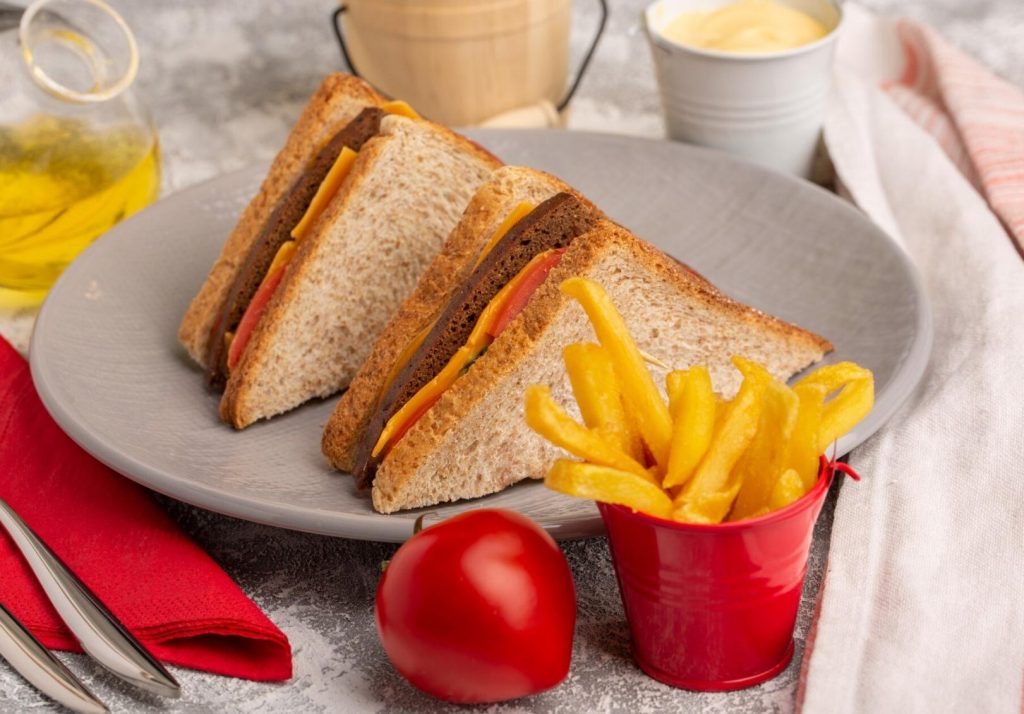
Reinventing Grilled Cheese: Golden Toast without the Butter Bath
The air fryer approach uses a whisper-thin coating of oil or egg wash, then hot air crisps the surface evenly. The cheese melts to a stretchy layer while the bread turns golden in just 4 to 5 minutes.
Brushing the outer bread with minimal oil or egg wash
A pastry brush dipped in high-smoke-point oil or beaten egg yolk provides enough lubrication for browning without soaking the bread. This creates a golden, blistery crust that mimics butter-fried toast. Egg wash adds a sheen and the crust stays crisp because it is not weighed down by grease.
Preventing the top slice from flying off
Strong air circulation can lift the top bread slice. Place a small metal trivet or heat-safe weight on top, or insert toothpicks through opposite corners to hold the layers together. Remove before serving.
Flipping for even browning
Turn the sandwich once halfway through cooking. Use silicone-tipped tongs to lift without tearing. The result holds its shape, releases cleanly, and delivers that iconic crackle without greasy hands.
Low-Sugar Desserts: Cinnamon Apple Chips and Roasted Pears
The air fryer’s low-temperature dehydration mode removes moisture from fruit slices while preserving natural sweetness and fiber. This turns apples and pears into portable treats without added sugar.
Slicing fruit uniformly and dehydrating at low heat
Use a mandoline or sharp knife to cut fruit into 1/8-inch rounds. Sprinkle with cinnamon or nutmeg. Dehydrate at 135°F to 150°F for 60 to 90 minutes, shaking the basket every 30 minutes for even drying.
Checking doneness and storing for freshness
The ideal chip bends slightly and snaps when cooled. Remove while still pliable and let residual heat finish the process to avoid bitterness. Once cooled, store in sealed jars with a paper towel to absorb moisture. They stay crisp for days and pair well with yogurt or nut butter.
Conclusion: Rethinking Comfort Food with Hot Air and Smart Technique
Air fryer recipes are not about bland substitutions; they re-engineer familiar dishes so the flavors and textures people love remain central. The technology uses rapid convection, fat rendering, and controlled dehydration to achieve results that once required quarts of oil. Each recipe follows the same logic: maximize taste per calorie while minimizing cleanup and cook time.
This approach redefines homemade comfort food by delivering crunch, melt, and sweetness through a smarter, lighter process. With practice, these recipes become second nature, proving that eating well does not mean eating boring.