CGM prescriptions often bring monthly expenses that differ across health insurance plans. Traditional fingerstick meters offer an essential alternative for testing glucose levels, yet they lack the real-time trends and predictive alerts that a modern CGM device delivers. Would checking CGM coverage under commercial insurance policies, Medicare coverage, and pharmacy coupons help reduce out-of-pocket costs for everyday ongoing use? Read practical tips regarding insurance choices and coupon options, or browse related topics on our site.
Understanding Insurance Coverage and the Pharmacy vs DME Distinction
The upfront cost of continuous glucose monitoring largely depends on how the device is classified under health plans. Sensors can be processed either through the pharmacy benefit or as durable medical equipment, and this distinction dramatically affects out of pocket expenses.
Eligibility and prescription requirements: Most insurance plans require a physician written prescription that documents medical necessity. This prescription should specify the sensor model and replacement frequency. Consumers should ask their doctor to clearly state the diagnosis and clinical rationale for using continuous glucose monitoring over traditional fingersticks.
Pharmacy benefit versus DME channel: This is the single biggest cost trap. When a sensor is dispensed through a retail pharmacy, it often falls under the pharmacy benefit, requiring only a modest copay per monthly supply. However, when the same sensor is processed as durable medical equipment through a third party supplier, the claim first applies to the annual deductible, which can be hundreds or thousands of dollars before coverage kicks in. Many households unknowingly choose the DME route and face a massive upfront bill. Always ask the prescribing doctor and the pharmacist which channel the order will use, and explicitly request the pharmacy benefit path if the plan allows it.
Private plan variations: Even within the pharmacy benefit, copay amounts differ widely. Some plans charge a flat copay, while others apply a coinsurance percentage. Requesting a detailed benefit breakdown, including the deductible and out of pocket maximum, helps compare options.
Government programs for seniors: Public insurance for older adults now covers sensors for those using basal insulin or with a history of severe low blood sugar events. Approval typically requires documented glucose logs, but once granted, the monthly copay is usually modest.
Understanding the pharmacy versus DME distinction saves households from unexpected bills. This single piece of knowledge can turn a costly mistake into a predictable monthly expense.
Maximizing Manufacturer Copay Cards with Critical Limitations
Nearly every major brand offers a savings card that reduces the cash price at participating pharmacies. However, these cards come with important restrictions that users must understand before relying on them.
Free access and automatic application: After a short online registration on the brand website, a digital card or coupon code is issued immediately. Presenting this code at the pharmacy counter alongside the prescription automatically lowers the monthly outlay. The discount can be substantial, often cutting the cash price by half or more.
Government insurance exclusion: By law, manufacturer copay cards cannot be used by beneficiaries of federal or state government health programs. This includes public insurance for seniors and low income individuals. If a household has such coverage, the card will be rejected at the pharmacy. In that case, the only option is to rely on the plan’s own cost sharing structure.
High deductible plan impact: For households with high deductible health plans, using the copay card may reduce the immediate cash payment, but it often does not count toward meeting the annual deductible. This means the plan’s full coverage will not activate until the deductible is satisfied through other medical expenses. Families should calculate whether using the card delays deductible accumulation and plan sensor purchases accordingly.
Manufacturer copay cards are powerful tools, but they are not universal. Knowing their limits prevents frustration and ensures households choose the right payment strategy for their specific insurance situation.
Smartphone Connectivity and the Reality of Sensor Longevity
Modern sensors can transmit data directly to a smartphone via low energy Bluetooth, eliminating the need for a costly dedicated receiver. However, phone use introduces compatibility challenges, and sensors themselves have practical limitations that affect both accuracy and replacement costs.
Ditching the receiver: A dedicated receiver typically costs over a hundred dollars and must be replaced if lost. Since most people already own a compatible smartphone, using the free brand application turns the phone into a display and alarm hub at no extra charge. This saves the initial hardware outlay and reduces clutter.
Phone OS compatibility checks: Before relying on smartphone connectivity, verify that the brand application supports the current operating system version. Major phone updates can temporarily break app functionality, causing missed alarms or failed data transmission. Check the app store for known issues and delay system updates until the brand confirms compatibility. This precaution prevents silent failures during critical monitoring periods.
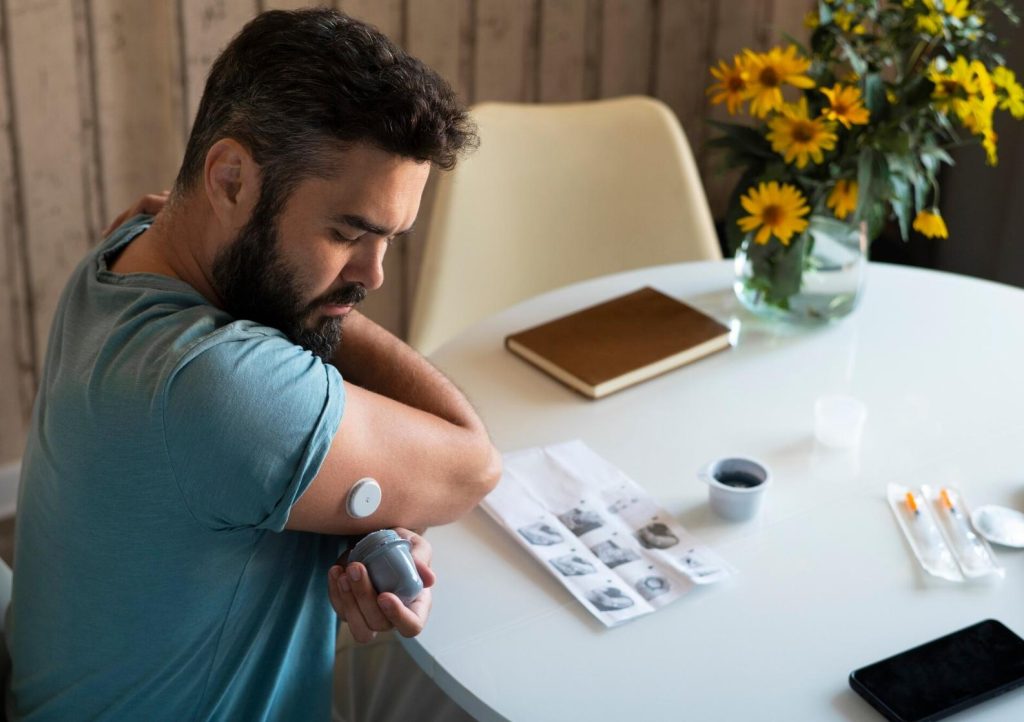
Sensor attachment and early day inaccuracy: Sensors adhere to the skin for 10 to 14 days, but they are vulnerable to snagging on clothing, bumping into door frames, or loosening from heavy sweating. Losing a sensor early means wasting a costly device. Many manufacturers offer a one time replacement policy for premature failures, but this usually requires keeping the serial number and contacting support. Applying an overpatch, a large waterproof adhesive patch, over the sensor significantly improves adhesion and prevents accidental dislodgement.
Tissue trauma effect in the first two days: After insertion, the body responds with local inflammation, which can cause glucose readings to be higher or lower than actual values for the first 24 to 48 hours. This is normal and does not indicate sensor malfunction. Users should confirm with a fingerstick during this period and wait for the readings to stabilise before making treatment decisions.
Smartphone connectivity lowers costs, but users must manage compatibility and attachment issues. A few proactive steps, such as checking OS updates and using overpatches, prevent unnecessary sensor replacements and keep the system running reliably.
Auto Refill Subscriptions and the Risk of Expired Stock
Subscription services that automatically ship new sensors before the current one expires prevent supply gaps and often lock in discounted rates. However, sensors have strict expiration dates, and bulk purchasing without careful planning can lead to wasted supplies.
Pricing and convenience benefits: Monthly or quarterly subscription plans typically reduce the per sensor cost compared to one time purchases, and free shipping lowers the total effective expense. Subscribers also receive automatic reminders when a replacement is due, eliminating the mental load of tracking change days.
Sensor expiration and overstocking warning: Each sensor box carries a printed expiration date, usually 6 to 12 months from manufacture. Buying a year’s supply at a discounted bulk price may seem economical, but if the sensors expire before use, the savings vanish entirely. Check the shelf life before ordering large quantities and calculate how many sensors the household will actually consume before the expiry date. A six month supply is generally safer than a full year.
Replacement policy for early failures: Even with careful handling, sensors occasionally fail due to adhesive loss or electronic issues. Keep the original box or note the serial number, as manufacturers often require this information for replacement requests. Most brands will send a free replacement for sensors that fail before the advertised duration, but they limit this to a certain number per year.
Auto refill subscriptions bring predictability, but only if expiration dates are respected. A balanced order quantity, combined with proper overpatch use, ensures every sensor gets used before it expires.
Conclusion: A Three Step Cost Saving Framework for CGM Users
Managing continuous glucose monitoring expenses boils down to three actionable steps. First, always verify whether the sensor will be processed through the pharmacy benefit or as durable medical equipment, and push for the pharmacy path whenever possible to avoid the high deductible trap. Second, if the household does not have government insurance, immediately apply for the manufacturer copay card, but understand that it will not help with deductible accumulation. Third, prepare for physical wear by obtaining overpatches from the start, and keep the sensor serial numbers handy for replacement claims. Also, check phone compatibility before any major system update.
These steps address the most frequent cost pitfalls, from incorrect insurance channel selection to wasted sensors from detachment or expiration. A well informed user can reduce annual spending by a substantial margin while maintaining full access to the technology. Continuous glucose monitoring is a valuable health tool, and with this framework, it becomes an affordable and sustainable part of daily diabetes care.