Birthday planners scrolling through store cake photos realize each option looks similar, with frosting and lettering that may not fully capture recipient’s personality. Bakery counters can provide a dessert and decoration, yet they seldom accommodate dietary requests, color palettes, or sculptural details that turn a cake into a memorable focal point. Consult custom birthday cake artists by sharing mood boards, flavor preferences, and sketches, so that the final creation becomes a edible tribute and an highlight of the celebration.
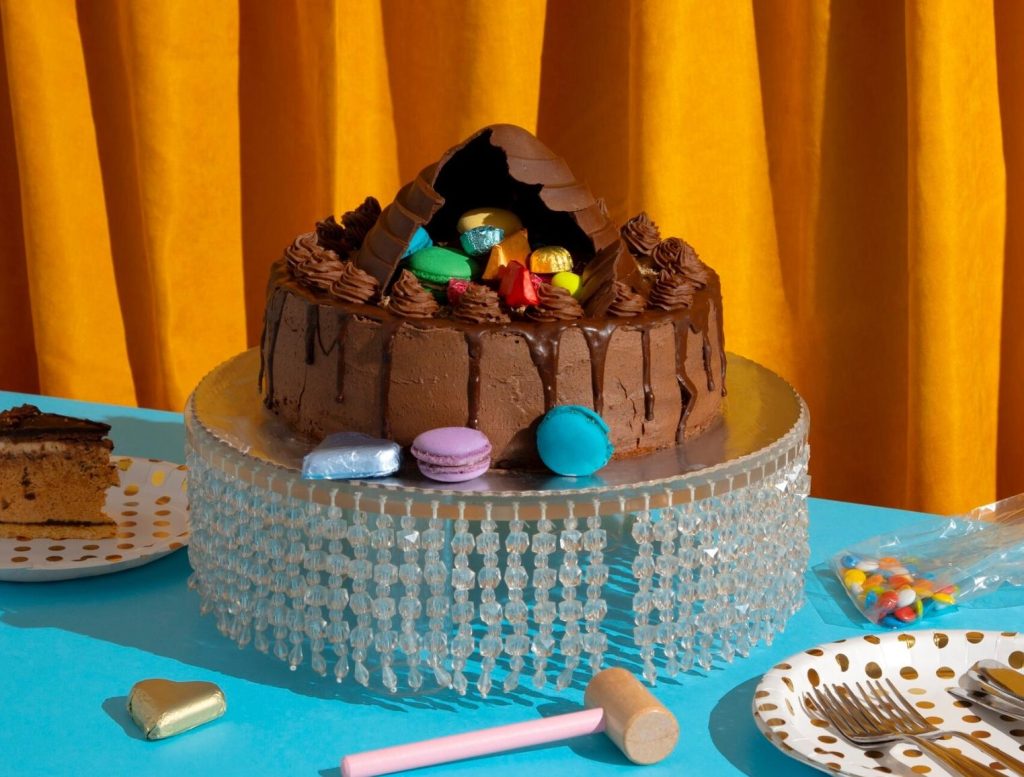
Aesthetic Narrative and Visual Themes: Beyond Generic Decorations
A birthday cake should capture the recipient’s personality, style, and the mood of the celebration. The shift toward highly individualized cakes reflects a broader desire for objects that feel personal rather than mass-produced. Current trends draw from vintage Lambeth piping with its intricate scrollwork, Korean-style retro buttercream with soft ruffled edges, and minimalist palette-knife art that creates bold, painterly strokes. Choosing a style sets the entire tone. A design that echoes current social media aesthetics also ensures the cake photographs beautifully and shares well online.
Color palettes communicate mood and coordinate with the scene
Soft blush and cream evoke romance and tenderness. Deep jewel tones signal luxury and drama. Bright primary colors read playful and energetic. The selected shades should harmonize with the party’s decor, the birthday person’s favorite colors, or even the season. This visual coordination ties the cake to everything else in the room, making it feel like an intentional part of the celebration rather than an afterthought.
Digital Rendering and 3D Mockups: Avoiding Design Disappointments
The gap between what a customer imagines and what a baker delivers has long been a source of frustration. Digital tools now bridge that gap, allowing both parties to see a realistic preview before any batter is mixed or frosting is piped. Color accuracy is a particular challenge, as the same shade appears differently across screens and behaves differently once mixed into buttercream due to oxidation. Professional studios now use standardized color references to eliminate guesswork.
Interactive 3D portals show every angle with Pantone references
Modern custom cake studios use software that generates a three-dimensional model of the proposed cake. The client can rotate the view, zoom in on details, and inspect the design from all sides. Instead of vague color descriptions, the process uses exact Pantone codes or physical swatch cards. A description of blush pink can mean fifty different shades to fifty different people. A Pantone reference shows exactly which pink the baker intends to use. Some studios even allow clients to send fabric swatches or wedding invitation samples for precise matching.
From inspiration board to confirmed blueprint
The typical workflow begins with the client sharing a Pinterest moodboard or reference images. The baker then produces a 3D line sketch showing proportions and scale. After color selection using the studio’s swatch library, the client receives a final digital rendering for approval. Revisions happen on screen, not on cake. Shifting a floral arrangement, enlarging a name, or darkening the buttercream all happen in minutes. The client approves the final version, and the baker works from a confirmed blueprint. This process reduces the risk of a cake that looks nothing like what was ordered and gives the client confidence ahead of the big day.
Dietary-Conscious and Gourmet Flavor Pairing: The Modern Taste Revolution
Beautiful cakes used to be synonymous with bland, overly sweet sponges and cloying frosting. That trade-off no longer exists. Today’s custom cakes deliver complex, balanced flavors that rival high-end pastry shops while accommodating a wide range of dietary needs. A truly memorable cake combines visual impact with layered taste experiences that surprise and delight.
Flavor architectures build complexity and contrast
A sophisticated cake relies on more than just one flavor. Consider Earl Grey chiffon paired with a tangy passion fruit coulis and a dark chocolate ganache—the floral tea notes, bright acidity, and bitter-sweet chocolate create a dynamic experience. A salted caramel and toasted walnut combination adds richness and crunch. These structures show that the baker understands flavor composition, not just decoration.
Alternative flours and plant-based ingredients solve old problems
Gluten-free and vegan cakes have moved far beyond dry, crumbly stand-ins. Modern recipes use almond flour with xanthan gum to mimic gluten’s binding properties, creating tender, moist crumbs. Plant-based buttercream alternatives like cashew cream or coconut cream blends achieve the same silky texture as Swiss meringue buttercream. Natural sweeteners like maple syrup, coconut sugar, or monk fruit offer lower glycemic options without sacrificing depth.
Dietary restrictions become creative opportunities
Nut-free, dairy-free, and low-sugar requests are no longer obstacles. They are opportunities for creative adaptation. A coconut milk-based frosting can be just as luxurious as dairy buttercream. A flax egg replacement yields sponges that rise beautifully. The best custom bakers welcome these challenges and use them to showcase their skill.
Interactive Elements and Edible Art: Creating Memorable Moments
The most unforgettable cakes do more than sit on a table. They invite participation, surprise, and wonder. Incorporating interactive features turns the cake cutting into an event in itself. The key is ensuring that any such element is food-safe and structurally sound, so the surprise enhances rather than compromises the cake’s integrity.
Hidden compartments and pull-out surprises
Structural design can include concealed layers that hold small gifts, confetti, or handwritten messages. A multi-tier cake with floating suspension supports can reveal a central cavity at the moment of cutting, releasing a cascade of edible petals or a banner. These features must be designed with food-grade materials and clear instructions for safe extraction.
Edible printers create photographic and artistic surfaces
Food-grade edible printers use rice paper or wafer sheets to reproduce custom images, patterns, or original artwork directly onto the cake. A portrait of the birthday person, a reproduction of their favorite painting, or a custom watercolor design all become part of the cake’s surface. This technology enables near-photographic realism that hand-piping alone cannot achieve.
Edible gold leaf and hand-painted details elevate artistry
For a high-end look, bakers apply edible gold or silver leaf to create metallic accents that catch candlelight. Hand-painted details using food-safe colors transform the cake into a canvas. These finishing touches signal that the cake is not just dessert but a centerpiece designed to be admired.
Conclusion: A Practical Guide to Ordering Your Custom Birthday Cake
Start early—reach out to your chosen baker at least three to four weeks in advance, longer for complex designs or peak seasons. Gather visual references. Create a moodboard with images that capture the style, colors, and overall feeling you want. Be specific about the aesthetic—vintage Lambeth, Korean-style retro, or minimalist palette-knife. Discuss dietary needs upfront. Mention any allergies, gluten-free requirements, vegan preferences, or sugar restrictions during the initial consultation. Request a digital mockup before paying a deposit. Ask for a 3D rendering that shows the design from multiple angles, and confirm color references against Pantone swatches. Confirm pickup or delivery logistics, including transportation instructions. With these steps completed, you will arrive at the celebration confident that the cake will be everything you imagined.