Inflammation is not always the enemy. When you cut your finger or catch a cold, acute inflammation helps you heal. It sends immune cells to the injury site, fights off pathogens, and then quietly retreats. The problem is chronic inflammation—a low-grade, persistent fire that burns inside your body for months or years. You cannot feel it directly, but you feel its effects: joint pain, fatigue, brain fog, digestive issues, and increased risk for heart disease, diabetes, and dementia. The foods you eat either fan that flame or help put it out. An anti inflammatory diet focuses on the latter. By choosing the right anti inflammatory foods, you can lower inflammation markers, reduce pain, and protect your long-term health. This guide explains which foods fight inflammation, which ones make it worse, and how anti inflammatory food supplements can support your efforts.
What Chronic Inflammation Does to Your Body
Think of chronic inflammation as a smoke alarm that never turns off. Your immune system stays activated, releasing inflammatory chemicals even when no threat exists. Over time, this damages healthy tissues.
- Joints – Inflammatory chemicals erode cartilage and irritate the lining of your joints. This causes stiffness, swelling, and pain. Rheumatoid arthritis is an autoimmune form of inflammatory joint disease, but even osteoarthritis has an inflammatory component.
- Blood vessels – Inflammation damages the inner lining of your arteries, making it easier for plaque to build up. This increases your risk of heart attack and stroke. Many heart attacks happen in people with normal cholesterol but high inflammation markers.
- Brain – Chronic inflammation has been linked to depression, anxiety, and cognitive decline. Inflammatory chemicals can cross the blood-brain barrier and interfere with neurotransmitter function. Over years, this contributes to Alzheimer’s disease.
- Gut – The lining of your intestines can become inflamed and more permeable, a condition sometimes called “leaky gut.” This allows food particles and bacteria to enter your bloodstream, triggering more inflammation elsewhere in your body.
The good news is that diet is one of the most powerful tools for reducing chronic inflammation. An anti inflammatory diet does not require starvation or expensive specialty foods. It simply shifts your choices toward foods that calm inflammation and away from foods that trigger it.
Best Anti Inflammatory Foods to Eat Regularly
The best anti inflammatory foods share common characteristics: they are rich in antioxidants, fiber, and healthy fats. They come from plants, fatty fish, and fermented foods. Here is what to fill your plate with.
Leafy greens – Spinach, kale, collard greens, and Swiss chard are packed with vitamin E and other antioxidants that protect your cells from inflammatory damage. Aim for one to two cups of cooked greens or two to four cups of raw greens per day.
Fatty fish – Salmon, mackerel, sardines, anchovies, and herring are rich in omega-3 fatty acids, specifically EPA and DHA. These compounds directly reduce the production of inflammatory molecules. The best anti inflammatory foods for joint pain often start with fatty fish. Eat two to three servings per week.
Berries – Strawberries, blueberries, raspberries, and blackberries contain anthocyanins, powerful antioxidants that lower inflammation markers like CRP. Frozen berries work just as well as fresh and are often cheaper. A half-cup serving several times per week is a good target.
Cruciferous vegetables – Broccoli, cauliflower, Brussels sprouts, cabbage, and kale contain sulforaphane, a compound that blocks inflammatory pathways. Steaming or roasting preserves more nutrients than boiling.
Turmeric – This yellow spice contains curcumin, one of the most studied anti inflammatory compounds in existence. Curcumin is poorly absorbed on its own, so pair turmeric with black pepper and a source of fat. A quarter teaspoon of black pepper increases curcumin absorption by 2,000 percent.
Ginger – Fresh or dried ginger contains gingerol and shogaol, compounds that reduce inflammation and nausea. Grate fresh ginger into stir-fries, smoothies, or hot water for tea.
Green tea – Rich in epigallocatechin gallate (EGCG), green tea has been shown to reduce inflammation and protect cartilage. Aim for two to three cups per day. Decaf versions retain most of the benefits.
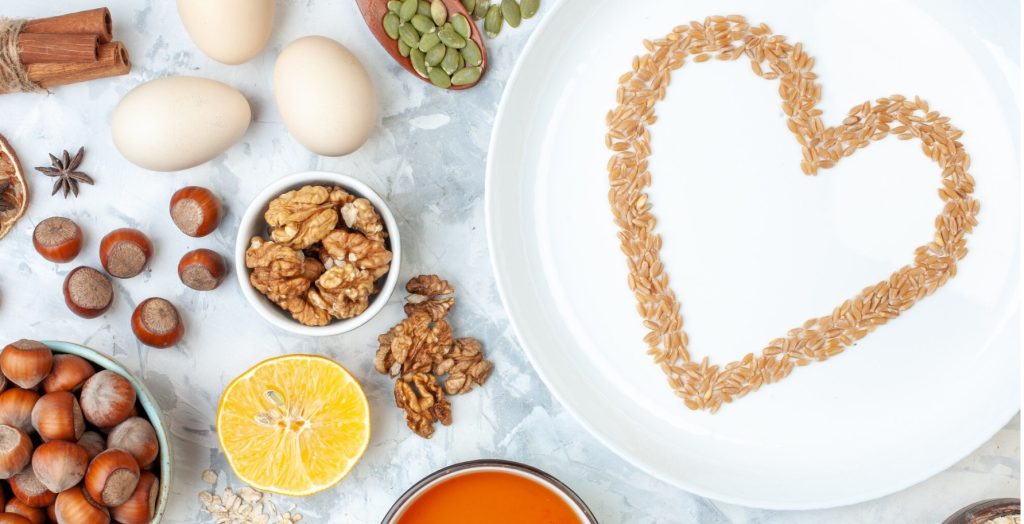
Nuts and seeds – Walnuts, almonds, flaxseeds, chia seeds, and hemp seeds provide omega-3s and vitamin E. Walnuts are particularly high in anti inflammatory omega-3s. A small handful per day is plenty.
Anti Inflammatory Foods to Avoid or Limit
Just as some foods fight inflammation, others fuel it. Reducing these foods is as important as adding the good ones.
Refined carbohydrates – White bread, white rice, regular pasta, pastries, and sugary cereals spike blood sugar and insulin, which triggers inflammation. Swap these for whole grains like oats, quinoa, brown rice, and 100 percent whole wheat bread.
Fried foods – French fries, fried chicken, donuts, and anything cooked in vegetable oil at high temperatures contain advanced glycation end products (AGEs) and inflammatory trans fats. Baked, grilled, or air-fried versions are much better choices.
Sugary drinks – Soda, sweetened iced tea, fruit juice, and energy drinks deliver massive amounts of sugar without any fiber to slow absorption. This causes a rapid spike in blood sugar and inflammatory markers. Water, unsweetened tea, and black coffee are the best alternatives.
Processed meats – Bacon, sausage, deli meats, hot dogs, and pepperoni contain high levels of advanced glycation end products and preservatives that trigger inflammation. Fresh, unprocessed meat is a better choice when you eat meat.
Excess alcohol – Moderate alcohol intake (one drink per day for women, two for men) may have neutral or even anti inflammatory effects. But heavy drinking damages the gut lining and increases inflammation. Stick to moderate amounts, or skip it entirely.
Quick Guide: Best Anti Inflammatory Foods by Category
| Category | Best Anti Inflammatory Foods | How Often |
|---|---|---|
| Leafy greens | Spinach, kale, collards, Swiss chard | Daily, 1-2 cups cooked |
| Fatty fish | Salmon, mackerel, sardines, anchovies | 2-3 times per week |
| Berries | Blueberries, strawberries, raspberries | Several times per week |
| Cruciferous vegetables | Broccoli, cauliflower, Brussels sprouts | 3-4 times per week |
| Spices | Turmeric, ginger, cinnamon | Daily if possible |
| Nuts and seeds | Walnuts, flaxseeds, chia seeds | Small handful daily |
| Beverages | Green tea, white tea | 2-3 cups per day |
Anti Inflammatory Food Supplements: Helpful or Hype?
Food should always come first. Whole anti inflammatory foods provide fiber, vitamins, minerals, and thousands of beneficial compounds that work together in ways supplements cannot replicate. That said, certain anti inflammatory food supplements can fill specific gaps.
Fish oil – The most evidence-backed anti inflammatory supplement. Fish oil provides concentrated EPA and DHA, the same omega-3s found in fatty fish. Studies show fish oil reduces joint pain, lowers triglycerides, and decreases inflammation markers. Look for a product with at least 1,000 mg combined EPA and DHA per serving. Third-party testing is important because fish oil can go rancid.
Curcumin (turmeric extract) – Standard turmeric spice contains only about 3 percent curcumin. Supplements concentrate curcumin and often add absorption enhancers like black pepper extract or liposomal delivery systems. Curcumin supplements have been studied for arthritis, inflammatory bowel disease, and post-exercise recovery. They are most helpful for people with diagnosed inflammatory conditions.
Ginger extract – Similar to curcumin, ginger extract concentrates the active compounds. It may reduce inflammation and nausea. Some studies show ginger is as effective as ibuprofen for menstrual pain and osteoarthritis pain, with fewer side effects.
Vitamin D – Low vitamin D levels are associated with higher inflammation markers. Many people are deficient, especially those in northern latitudes or who spend most of their time indoors. A simple blood test can tell you if you need supplementation. Typical doses range from 1,000 to 4,000 IU per day.
Probiotics – Gut health and inflammation are closely linked. Probiotic supplements introduce beneficial bacteria that can reduce gut inflammation and improve the intestinal barrier. Different probiotic strains do different things. Look for products with multiple strains and at least 10 billion colony-forming units per serving.
Important warning – Anti inflammatory food supplements can interact with medications. Fish oil thins the blood. Curcumin can affect liver metabolism of certain drugs. Always talk to your doctor before starting any supplement, especially if you take prescription medications.
A Sample Day on an Anti Inflammatory Diet
You do not need to be perfect. Progress matters more than perfection. Here is what a realistic day of anti inflammatory eating looks like.
Breakfast – Rolled oats cooked with water or unsweetened almond milk, topped with fresh blueberries, ground flaxseeds, and a sprinkle of cinnamon. Green tea on the side.
Lunch – Large salad with mixed greens, grilled salmon, cherry tomatoes, cucumber, shredded carrots, and a simple dressing made from olive oil, lemon juice, and a pinch of turmeric and black pepper.
Snack – A small handful of walnuts and an apple.
Dinner – Roasted chicken thighs seasoned with ginger and turmeric, served with steamed broccoli and a side of quinoa. For dessert, a square of dark chocolate (70 percent cocoa or higher).
Evening tea – Cup of ginger tea made by steeping fresh grated ginger in hot water.
This day provides abundant anti inflammatory foods without feeling like a restrictive diet. It includes protein, healthy fats, fiber, and a variety of colorful vegetables and fruits.
Common Mistakes on an Anti Inflammatory Diet
Even with good intentions, people make errors that limit their results.
Mistake one: Focusing only on supplements – Swallowing a handful of pills while continuing to eat processed food, sugar, and refined carbs will not lower inflammation. Whole foods should be the foundation. Supplements are just that—supplements to an already good diet.
Mistake two: Ignoring omega-6 to omega-3 balance – The typical Western diet has a ratio of omega-6 to omega-3 of about 15 to 1. The ideal ratio is closer to 2 to 1 or 3 to 1. Omega-6 fats from vegetable oils, processed snacks, and grain-fed meat promote inflammation when out of balance. Reduce vegetable oils and increase fatty fish and flaxseeds.
Mistake three: Expecting overnight results – Chronic inflammation builds over years. It does not disappear in a week. Stick with an anti inflammatory diet for at least eight to twelve weeks before expecting noticeable changes in pain, energy, or lab markers. Consistency is the key.
Mistake four: Going overboard with “healthy” foods – Nuts, seeds, avocados, olive oil, and dark chocolate are anti inflammatory and calorie-dense. Eating too much of them will cause weight gain, which itself promotes inflammation. Portion control still matters.
Conclusion
An anti inflammatory diet is not a temporary fix. It is a long-term way of eating that reduces chronic inflammation, lowers disease risk, and helps you feel better day to day. The best anti inflammatory foods are not exotic or expensive. Leafy greens, fatty fish, berries, cruciferous vegetables, spices like turmeric and ginger, nuts, seeds, and green tea form the foundation. Anti inflammatory food supplements like fish oil, curcumin, and vitamin D can help fill gaps, but they work best alongside a whole-foods diet. Start by adding one or two anti inflammatory foods to your weekly rotation. Swap out one inflammatory food for a better choice. Small changes compound. Over months and years, your body will thank you with less pain, more energy, and lower disease risk. The fire inside does not have to burn forever. You have the power to extinguish it, one meal at a time.