Veganism is far more than a dietary trend—it’s a conscious choice that weaves together ethics, health, and environmental care into everyday living. At its core, veganism rejects all animal-derived products—meat, dairy, eggs, honey, and any ingredients sourced from animals—turning the focus to the abundance of plant-based options. A well-designed vegan diet isn’t about restriction; it’s about exploration—uncovering the richness of vegan foods and creating vegan meals that are flavorful, nutrient-dense, and satisfying. Whether you’re drawn to veganism for animal welfare, environmental reasons, or better health, this journey offers a way to eat and live in harmony with your values, without sacrificing taste or convenience. From quick weeknight vegan meals to nutrient-packed snacks, veganism adapts to every lifestyle, proving that plant-powered eating is accessible to everyone.
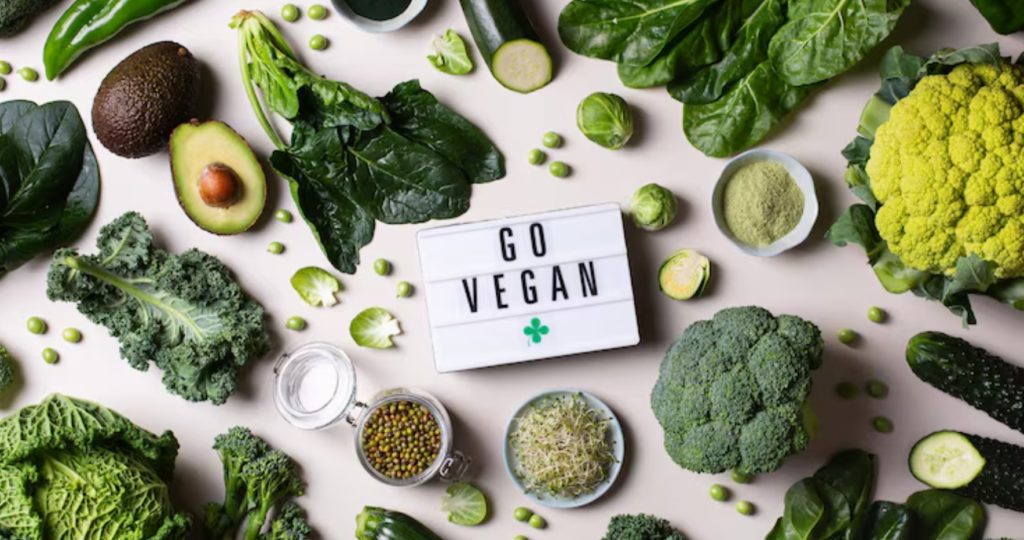
Veganism: More Than Food—A Life of Intention
Veganism extends beyond what’s on your plate; it’s a philosophy rooted in compassion, sustainability, and mindfulness. People embrace veganism for diverse reasons: some advocate for animal rights, recognizing that animals are sentient beings deserving of kindness; others choose it to reduce their environmental footprint, as plant-based diets require fewer resources and produce less greenhouse gas than animal-based ones; many turn to veganism for health, seeking to lower the risk of chronic diseases and boost overall wellness.
What makes veganism inclusive is its flexibility—there’s no ”one-size-fits-all” approach. It can be as simple as swapping dairy milk for oat milk or as comprehensive as restructuring your entire diet and lifestyle. Veganism isn’t about perfection; it’s about making intentional choices that align with your values. Over time, these small, consistent choices create a life that’s not only good for you but also for the planet and its inhabitants.
The Ripple Effects of Veganism
Veganism’s impact reaches far beyond individual health:
- Animal Welfare: By avoiding animal products, you reduce demand for factory farming, which often involves overcrowding, cruelty, and inhumane conditions. Veganism advocates for a world where animals are not exploited for food, clothing, or other purposes.
- Environmental Sustainability: Animal agriculture is a leading cause of deforestation, water pollution, and biodiversity loss. A vegan diet uses up to 75% less water and occupies 85% less farmland than a meat-based diet, making it one of the most effective ways to combat climate change.
- Community & Advocacy: Veganism fosters a community of like-minded people who share recipes, resources, and support. It also raises awareness about food systems, encouraging more sustainable practices across industries.
Vegan Diet: Building a Balanced, Nutrient-Rich Foundation
A vegan diet is centered on whole, plant-based foods that provide all the nutrients your body needs—protein, iron, calcium, omega-3 fatty acids, and vitamin B12—when planned thoughtfully. Unlike common misconceptions, a vegan diet doesn’t mean missing out on essential nutrients; it means sourcing them from plant-based alternatives that are often lower in saturated fat and higher in fiber.
Key Principles of a Balanced Vegan Diet
To thrive on a vegan diet, focus on variety and nutrient density:
- Prioritize Whole Foods: Base your diet on unprocessed vegan foods—whole grains (oats, quinoa, brown rice), legumes (beans, lentils, chickpeas), fruits, vegetables, nuts, and seeds. These foods are packed with fiber, vitamins, and minerals that support digestion, energy, and immune function.
- Ensure Adequate Protein: Plant-based proteins are abundant—tofu, tempeh, seitan, edamame, and legumes all provide complete or complementary proteins. Pairing grains with legumes (e.g., rice and beans) ensures you get all essential amino acids.
- Don’t Neglect Micronutrients: Pay attention to nutrients that are often associated with animal products: iron (found in spinach, lentils, and fortified cereals), calcium (from fortified plant milks, tofu, and leafy greens), omega-3s (from flaxseeds, chia seeds, and algae-based supplements), and vitamin B12 (from fortified foods or supplements, as it’s not naturally present in most plant foods).
- Limit Processed Foods: While vegan processed foods (like plant-based burgers or vegan cheese) are convenient, they should be consumed in moderation. Focus on whole, minimally processed vegan foods for optimal health.
A well-balanced vegan diet offers countless benefits: improved heart health, lower cholesterol levels, better digestion, and increased energy. It’s also linked to a reduced risk of type 2 diabetes, certain cancers, and obesity—proving that plant-based eating is a powerful tool for long-term wellness.
Vegan Foods: Exploring the Abundance of Plant-Based Options
Vegan foods are far more diverse than just salads and vegetables—they span cultures, cuisines, and flavors, offering endless possibilities for creative eating. From fresh produce to pantry staples and specialty items, the world of vegan foods is constantly expanding, making it easier than ever to enjoy delicious, satisfying meals.
Must-Have Vegan Foods for Every Pantry
Stock your kitchen with these versatile vegan foods to make meal prep a breeze:
- Whole Grains: Oats, quinoa, brown rice, whole wheat pasta, and barley—perfect for bowls, stir-fries, and side dishes.
- Legumes: Canned or dried beans (black beans, kidney beans), lentils, chickpeas, and peas—great for soups, curries, and plant-based proteins.
- Plant Proteins: Tofu (silken, firm, extra-firm), tempeh, seitan, and edamame—can be grilled, baked, stir-fried, or blended into sauces.
- Nuts & Seeds: Almonds, walnuts, cashews, chia seeds, flaxseeds, and hemp seeds—add crunch, healthy fats, and protein to meals and snacks.
- Fortified Foods: Plant milks (oat, almond, soy), cereals, and nutritional yeast—provide essential nutrients like calcium, vitamin D, and vitamin B12.
- Fresh Produce: Leafy greens (spinach, kale), bell peppers, zucchini, sweet potatoes, berries, and bananas—use in salads, smoothies, and cooked dishes.
Sourcing Vegan Foods
Finding vegan foods is easier than ever, thanks to mainstream grocery stores, specialty vegan shops, and online retailers:
- Grocery Stores: Most supermarkets now have dedicated vegan sections, with plant-based milks, cheeses, meats, and snacks. Fresh produce sections are also stocked with a wide variety of vegan-friendly fruits and vegetables.
- Specialty Shops: Vegan boutiques and health food stores offer a wider range of specialty items, like vegan chocolates, baked goods, and hard-to-find ingredients.
- Farmers’ Markets: Local farmers’ markets are a great source of fresh, seasonal vegan foods—from ripe fruits and vegetables to homemade vegan jams and breads.
Vegan Meals: Simple, Flavorful Recipes for Every Occasion
Vegan meals don’t have to be complicated or time-consuming—they can be quick, easy, and packed with flavor. Whether you’re cooking for yourself, your family, or guests, these vegan meals are sure to impress, proving that plant-based eating is anything but boring.
Quick & Easy Vegan Meals for Busy Days
- Breakfast: Oatmeal topped with berries, chia seeds, and almond butter; or a smoothie made with plant milk, spinach, banana, and protein powder.
- Lunch: Quinoa bowl with roasted vegetables, chickpeas, and tahini dressing; or a vegan wrap with hummus, lettuce, tomato, cucumber, and avocado.
- Dinner: Stir-fried tofu with broccoli, bell peppers, and brown rice; or lentil curry served with naan bread (check for vegan certification) and a side salad.
- Snacks: Apple slices with peanut butter, veggie sticks with hummus, or a handful of mixed nuts and dried fruit.
Elevated Vegan Meals for Special Occasions
For gatherings or date nights, try these more elaborate vegan meals:
- Vegan Stuffed Portobello Mushrooms: Portobello caps stuffed with quinoa, black beans, corn, and vegan cheese, baked until tender.
- Creamy Vegan Pasta: Whole wheat pasta tossed with a sauce made from silken tofu, nutritional yeast, garlic, and lemon—rich, creamy, and flavorful.
- Vegan Chili: A hearty mix of beans, tomatoes, bell peppers, onions, and spices, topped with avocado and vegan sour cream.
The key to great vegan meals is flavor—use herbs, spices, sauces, and marinades to elevate simple ingredients. Experiment with different cuisines, like Mexican (vegan tacos, burritos), Asian (stir-fries, sushi bowls), or Mediterranean (meze platters, falafel wraps), to keep meals exciting.
Pro Tips for Thriving on Veganism
Whether you’re new to veganism or looking to refine your approach, these tips will help you succeed:
- Start Slow: If you’re transitioning from a non-vegan diet, don’t rush—replace one animal product at a time (e.g., dairy milk with oat milk, eggs with tofu scramble) to make the shift easier.
- Plan Ahead: Meal prep vegan meals and snacks in advance to avoid last-minute unhealthy choices. Use a meal planner to ensure you’re getting all the nutrients you need.
- Learn to Cook: Cooking your own vegan meals gives you control over ingredients and flavors. Experiment with new recipes and techniques to keep things interesting.
- Connect with the Community: Join vegan groups online or in person for support, recipe ideas, and restaurant recommendations. Surrounding yourself with like-minded people makes the journey more enjoyable.
- Be Kind to Yourself: Veganism is a journey, not a destination. If you slip up or eat something non-vegan, don’t beat yourself up—just get back on track and keep moving forward.
Conclusion: Embrace the Power of Plant-Based Living
Veganism is a beautiful, intentional way of living that nourishes your body, protects animals, and cares for the planet. A balanced vegan diet, rich in diverse vegan foods and satisfying vegan meals, proves that you don’t have to sacrifice taste or nutrition to live in alignment with your values. Whether you’re a lifelong vegan, a curious beginner, or someone looking to reduce their animal product consumption, veganism offers a path to a healthier, more sustainable, and more compassionate life.
So grab your grocery list, stock up on vegan foods, and start experimenting with vegan meals—you’ll be surprised by how delicious and rewarding plant-based eating can be. Every vegan choice you make is a step toward a better world—for yourself, for animals, and for the planet. Here’s to living plant-powered, one meal at a time!